
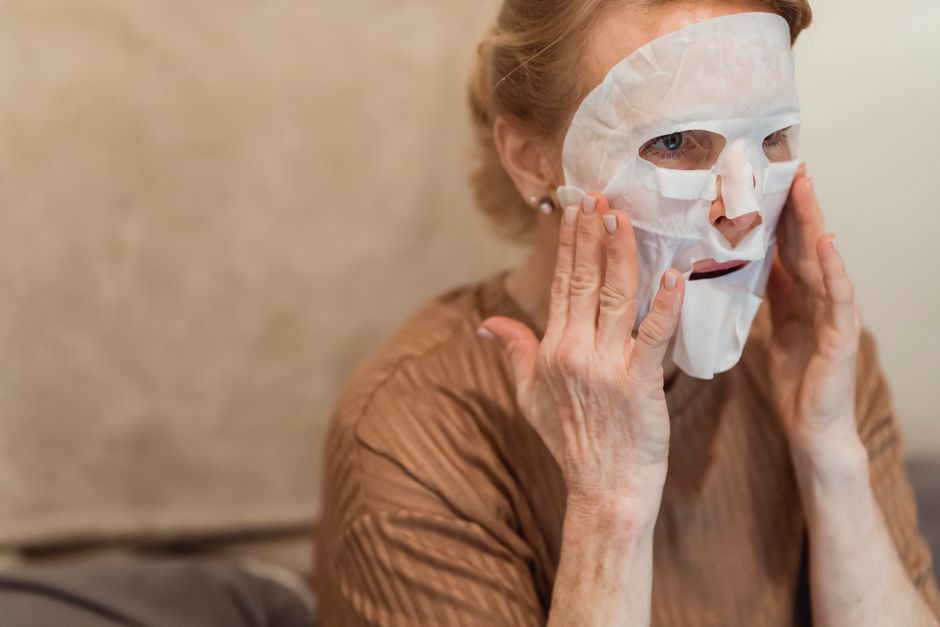
Wrinkles around the mouth — often called smoker’s lines or perioral wrinkles — are among the first visible signs of aging. These fine lines form because the skin around your lips is thin and the muscles there move constantly. While you cannot erase deep wrinkles completely without medical treatments, you can reduce their appearance and slow further damage with consistent skincare habits, sun protection, and lifestyle changes. The most effective natural approach targets hydration, collagen support, and daily protection.
Why Do Wrinkles Form Around the Mouth?
The skin around your mouth is structurally different from the rest of your face. It has fewer oil glands and less subcutaneous fat, making it thinner and more prone to dryness. That dryness makes fine lines more visible.
Repetitive muscle movement is the main driver. Every time you talk, eat, smile, or purse your lips, the orbicularis oris muscle contracts. Over decades, these repeated contractions create creases in the skin that eventually become permanent. Sun exposure accelerates the process by breaking down collagen and elastin, the proteins that keep skin firm and springy.
Genetics play a role too. Some people inherit thinner skin or a tendency toward earlier collagen loss. But lifestyle factors — especially sun exposure and smoking — are the most controllable contributors.
How To Get Rid Of Wrinkles Around Mouth Naturally: What Actually Works
No natural remedy will completely remove established wrinkles. What natural approaches can do is improve skin thickness, hydration, and elasticity so lines look softer and less pronounced. The evidence behind these methods varies, so it helps to know what is supported by research and what is mostly marketing.
Daily sun protection is the single most effective step. Ultraviolet radiation damages collagen directly, and the lip area is frequently overlooked when applying sunscreen. Use a broad-spectrum sunscreen with SPF 30 or higher on your entire face, including your lips. Some lip balms now contain SPF, which makes this habit easier to maintain.
Moisturizing is the second essential step. Well-hydrated skin plumps up, making fine lines less visible. Look for moisturizers containing hyaluronic acid, glycerin, or ceramides. These ingredients draw water into the skin or help it retain moisture. Apply moisturizer while skin is still damp after cleansing to lock in hydration.
Retinoids are the most evidence-backed topical option for improving fine wrinkles. Over-the-counter retinol is a milder form of prescription retinoids like tretinoin. Research consistently shows that retinoids stimulate collagen production and speed up cell turnover, which smooths fine lines over time. Results take months, not days, and consistency matters more than using a high concentration.
Vitamin C is another ingredient with solid research behind it. Applied topically, it helps build collagen and provides antioxidant protection against further sun damage. It works well alongside sunscreen because it neutralizes some of the free radicals that UV exposure creates.
Facial Exercises: Do They Help or Hurt?
Facial exercises are popular on social media, with claims that they tone the muscles and reduce wrinkles. The evidence is mixed and limited. Some small studies suggest that facial exercises may increase facial fullness and slightly improve appearance in middle-aged women. Other dermatologists warn that repetitive muscle movement — the same movement that creates wrinkles — could make lines worse over time.
There is no large, long-term study confirming that facial exercises reduce perioral wrinkles. The theoretical risk is that exercising the orbicularis oris muscle more could deepen existing lines, since muscle contraction is what creates them in the first place. If you try facial exercises, stop if you notice lines becoming more prominent. The safer bet for natural improvement is topical care and sun protection.




Diet and Hydration: What the Evidence Shows
What you eat affects your skin, but not in the way many online sources claim. No single food erases wrinkles. The bigger picture is overall nutrition over years, not quick fixes.
Protein is essential because collagen is a protein. Your body needs adequate dietary protein — from meat, fish, eggs, beans, or dairy — to produce new collagen. Vitamin C is also required for collagen synthesis, so eating citrus fruits, bell peppers, and leafy greens supports your skin’s repair systems.
Water intake matters for skin hydration, but the relationship is modest. Drinking more water than your body needs will not dramatically plump your skin. Chronic dehydration, however, does make skin look duller and can make fine lines more noticeable. The practical advice is to drink when thirsty and maintain normal hydration rather than obsessing over a specific daily amount.
Some research suggests that oral collagen supplements may improve skin elasticity and hydration after several months of use. The studies are generally small, and the evidence is not conclusive. Collagen supplements are not harmful for most people, but they are not a proven wrinkle treatment either. If you try them, view the results realistically.
Lifestyle Changes That Prevent Further Damage
Smoking is the most damaging habit for perioral wrinkles. Beyond the repeated pursing motion, smoking reduces blood flow to the skin and breaks down collagen. The combination is why smokers typically develop deeper mouth wrinkles earlier than nonsmokers. Quitting smoking is the single best lifestyle change for your skin.
Sleep position can contribute to mouth wrinkles over time. Sleeping face-down presses your skin against the pillow, creating compression lines that can become permanent. Sleeping on your back avoids this pressure. Silk or satin pillowcases create less friction than cotton, though no strong research confirms they prevent wrinkles.
Drinking through a straw is sometimes blamed for perioral wrinkles because it involves the same pursing motion as smoking. The evidence is anecdotal rather than scientific. The muscle movement from straw use is far less frequent than talking or eating, so it is unlikely to be a major contributor on its own.
Managing stress matters for skin health, but not specifically for mouth wrinkles. Stress hormones can impair skin repair and accelerate aging. The effect is general rather than targeted to the mouth area.
Natural Ingredients: What the Research Supports
Several plant-based ingredients have reasonable evidence for skin benefits. Aloe vera has soothing and moisturizing properties, though it has not been specifically studied for wrinkle reduction. Coconut oil is an effective moisturizer for some skin types, but it is comedogenic, meaning it can clog pores. The skin around the mouth is less prone to acne, so this is less of a concern there.
Shea butter and cocoa butter are rich emollients that soften skin and reduce water loss. They improve the appearance of fine lines temporarily by hydrating the skin, but they do not stimulate collagen production. They are useful as moisturizers, not as wrinkle treatments.
Essential oils like rosehip and frankincense are frequently marketed for wrinkles. Rosehip seed oil contains vitamin C and fatty acids, which may support skin health. Frankincense has anti-inflammatory properties. Neither has been proven to reduce wrinkles in clinical trials. If you use essential oils, dilute them properly and do a patch test first, as they can cause irritation.
Green tea extract applied topically has some evidence for antioxidant benefits. The polyphenols in green tea may protect skin from UV damage when combined with sunscreen. The effect is modest and should not replace sun protection.
When Natural Approaches Are Not Enough
Deep wrinkles that remain visible even when the skin is well-hydrated may not respond fully to natural methods. At this point, medical treatments are the evidence-backed options. These include prescription retinoids, chemical peels, microneedling, and injectable fillers. These treatments work by different mechanisms — retinoids and peels stimulate collagen, while fillers add volume beneath the wrinkle.
These procedures are outside the scope of natural care, but knowing about them helps you make informed decisions. If natural methods have plateaued and you want more visible improvement, a board-certified dermatologist can discuss which options match your skin type and goals. No topical natural ingredient compares to the collagen-stimulating effect of prescription retinoids or the immediate smoothing of fillers.
Building a Realistic Daily Routine
A practical routine for mouth wrinkles does not need to be complicated or expensive. Morning: wash your face, apply vitamin C serum, moisturize, and finish with sunscreen over your entire face including lips. Evening: cleanse, apply retinol or moisturizer, and avoid sleeping face-down.
Consistency matters more than any single product. Skin turnover takes about 28 days, and collagen remodeling takes months. Give any routine at least three months before judging results. Take photos in consistent lighting to track changes, since daily observation rarely shows gradual improvement.
Be honest with yourself about expectations. Natural methods can soften fine lines, improve skin texture, and prevent deeper wrinkles from forming. They cannot reverse deep wrinkles that have already developed. That distinction is not a failure of the approach — it is a realistic understanding of what skin can and cannot do.
Frequently Asked Questions
Can toothpaste or natural oils remove mouth wrinkles?
No. Toothpaste has no skin benefits and can irritate the delicate lip area. Natural oils like coconut or jojoba moisturize the skin but do not remove wrinkles.
How long does it take to see results from natural wrinkle treatments?
Most natural approaches need at least 8 to 12 weeks of consistent use before fine lines appear softer. Deeper wrinkles may take six months or longer to show any change.
Does drinking more water reduce wrinkles around the mouth?
Staying hydrated improves overall skin appearance, but drinking extra water beyond normal needs will not erase wrinkles. Hydration helps fine lines look less noticeable, not eliminate them.
Are prescription retinoids better than natural remedies for mouth wrinkles?
Yes. Prescription retinoids have the strongest clinical evidence for stimulating collagen and reducing fine lines. Natural remedies are gentler but produce more modest results.
