
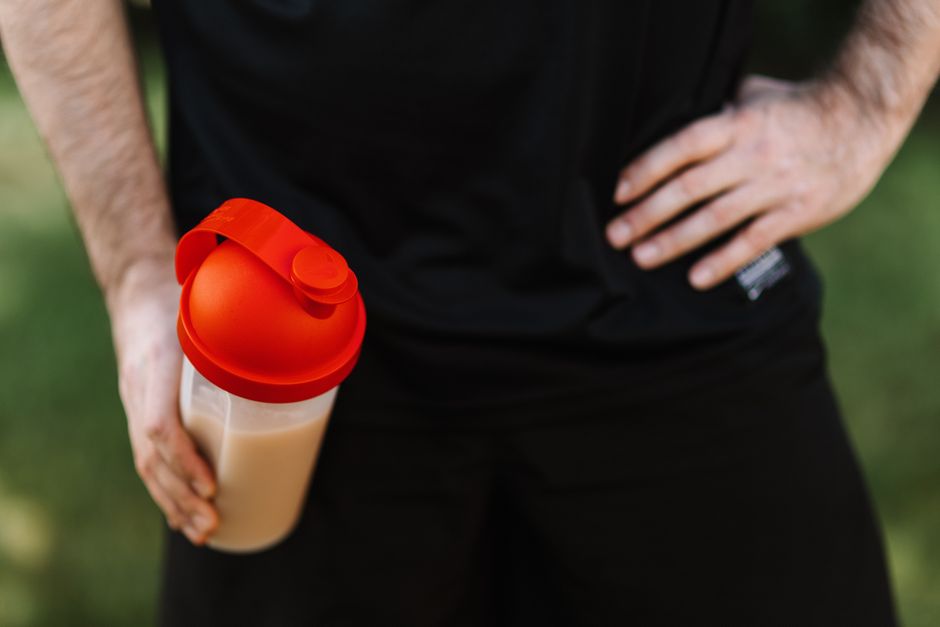
Protein is essential. Your body uses it to build muscle, repair tissue, and make enzymes and hormones. But eating more than your body needs does not automatically build more muscle or make you healthier. When you consistently eat too much protein, your body has to process the excess, and that can put strain on certain organs and lead to digestive discomfort. The real issue is not just the protein itself, but how much you eat over a long period and what you are eating alongside it.
What Happens When You Eat Excess Protein?
Your body does not store extra protein the way it stores fat or carbohydrates. When you eat more protein than your body can use for building and repairing tissues, it breaks down the excess. The liver removes the nitrogen from the protein molecules. The remaining carbon skeleton is either used for energy or converted into fat for storage.
The nitrogen that is removed becomes ammonia, which is toxic to the body. Your liver quickly converts that ammonia into urea. The urea then travels through your bloodstream to your kidneys, which filter it out and excrete it in your urine. This process is normal and efficient for most healthy people. But it does mean your kidneys have to work harder when your protein intake is high.
Can Too Much Protein Damage Your Kidneys?
For people with healthy kidneys, a high-protein diet does not appear to cause kidney damage. Research consistently shows that healthy kidneys adapt to higher protein intake. They simply filter more urea and excrete more urine. No solid evidence shows that a high-protein diet causes chronic kidney disease in people who start with normal kidney function.
The situation is different for people who already have kidney disease. If your kidneys are already damaged, they cannot filter urea as effectively. Excess protein can accelerate the decline of kidney function in these cases. That is why doctors recommend a lower protein intake for patients with chronic kidney disease. If you have diabetes, high blood pressure, or a family history of kidney problems, it is worth asking your doctor to check your kidney function before you start a very high-protein diet.
Does High Protein Intake Cause Dehydration?
Yes, in a practical sense. When you eat more protein, your kidneys need more water to flush out the extra urea. Studies have found that people on high-protein diets have higher urine output and increased water loss. Some research suggests that athletes on high-protein diets need to drink more water to stay hydrated.
For most people this is not dangerous. It simply means you should drink extra water if you are eating a very high-protein diet. The bigger concern is that increased water loss can leave you mildly dehydrated if you are not paying attention to your fluid intake. This is especially relevant for older adults, who often have a reduced sense of thirst.




What Does Too Much Protein Do To Your Digestive System?
Digestive discomfort is one of the most common short-term effects of eating too much protein. Many high-protein foods, especially meat and dairy, are low in fiber. If you replace high-fiber foods like vegetables, fruits, and whole grains with protein-rich foods, your fiber intake drops sharply. This can cause constipation.
Some people also experience bloating, gas, or diarrhea when they suddenly increase their protein intake. This is often because they are also consuming more dairy products or processed protein supplements. If you are lactose intolerant, adding whey protein shakes can cause significant digestive distress. Your digestive system needs time to adjust to a higher protein load, and a sudden increase can overwhelm it.
Can Too Much Protein Cause Weight Gain?
Yes. Protein contains calories, just like carbohydrates and fat. One gram of protein provides 4 calories. If you eat more protein than your body burns, the excess is converted into fat and stored. This is a simple matter of energy balance. Eating extra protein does not cancel out extra calories.
Many people assume that a high-protein diet automatically leads to weight loss. That is only true if the high-protein diet replaces other calorie-dense foods and helps you feel full sooner. If you simply add protein to your existing diet without cutting back on other foods, you will likely gain weight. The same rule applies to protein as to any other nutrient: more calories in than out means weight gain.
What Are the Other Risks of a Very High-Protein Diet?
There are several other risks worth knowing about. One is nutritional imbalance. If a large portion of your calories come from protein, you may not get enough carbohydrates and fats, which your body also needs for energy and hormone production.
Another concern is the type of protein you are eating. Diets very high in red meat and processed meats have been linked in observational studies to higher rates of heart disease and certain cancers. This is not because protein itself is harmful. The issue is the saturated fat, sodium, and preservatives that often come along with these foods. Plant-based proteins like beans, lentils, and nuts do not carry the same risks.
Kidney stones are another potential risk. High intake of animal protein increases the amount of calcium and uric acid in your urine. Both of these substances can contribute to kidney stone formation. People who are prone to kidney stones are often advised to moderate their animal protein intake.
How Much Protein Do You Actually Need?
Most healthy adults need about 0.8 grams of protein per kilogram of body weight per day. For a 150-pound person, that is about 54 grams of protein. That is roughly the amount in one chicken breast or two cups of cooked beans. Most Americans already eat more than this without trying.
Athletes and people doing heavy resistance training need more. Research suggests that 1.6 to 2.2 grams per kilogram of body weight is a reasonable range for people actively building muscle. Older adults may also benefit from slightly higher protein intake to prevent age-related muscle loss. But even these higher targets are far below the levels seen in extreme high-protein diets.
There is no official upper limit for protein intake in healthy adults. The evidence does not support setting a strict maximum. But practical guidance generally suggests that getting more than 2 grams per kilogram of body weight per day is unnecessary for most people. For a 150-pound person, that is about 136 grams of protein daily.
Signs You Might Be Eating Too Much Protein
Your body gives you signals when your protein intake is higher than it needs. Common signs include persistent digestive issues like constipation or bloating, feeling unusually thirsty, and needing to urinate more frequently. Some people also notice bad breath, which can happen when the body shifts to burning more protein for energy and produces ketones.
If you are experiencing any of these symptoms, it is worth looking at your protein intake. Track what you eat for a few days and see where your protein actually falls. Many people are surprised to find they are eating far more than they thought. Simple adjustments, like adding more vegetables and drinking more water, often resolve these symptoms.
Frequently Asked Questions
Can eating too much protein damage your liver?
No evidence shows that high protein intake damages a healthy liver. The liver processes protein, but it is designed to handle the load. However, people with existing liver disease may need to limit protein, so check with your doctor if you have a liver condition.
Is it safe to eat a high-protein diet every day?
For healthy people, a high-protein diet is generally safe in the short and medium term. Long-term safety data is limited, so it is wise to eat a balanced diet with plenty of vegetables, fruits, and whole grains alongside protein.
Does too much protein turn into fat?
Yes. Any excess calories, including calories from protein, are stored as fat. Protein does not automatically become muscle, and eating more protein than your body needs will not build more muscle.
How much protein is too much in one sitting?
Research suggests the body uses about 20 to 40 grams of protein per meal for muscle building. The rest is used for energy or other functions. Eating more than that in one meal is not harmful, but it is not necessary for muscle growth.
