
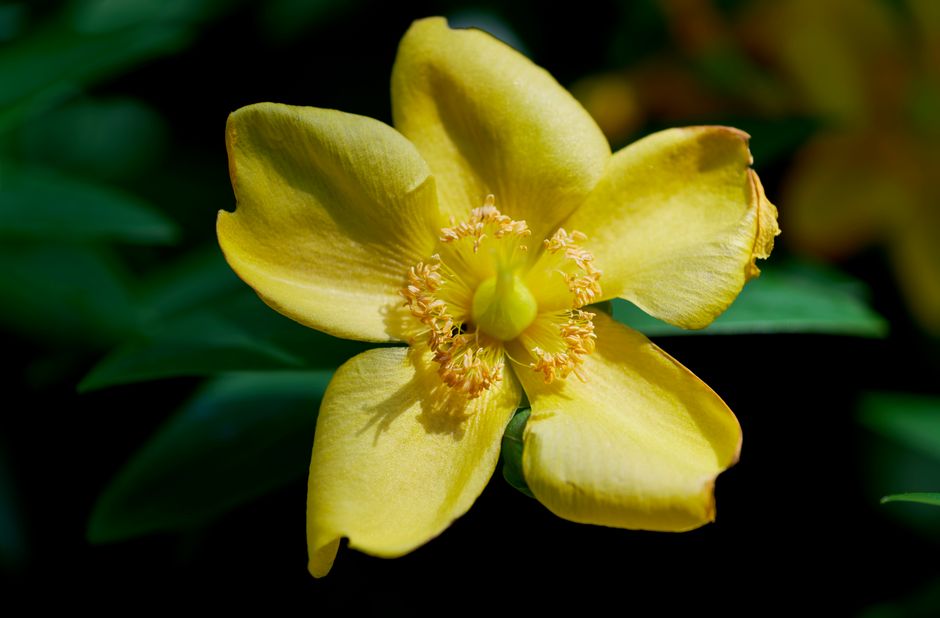
St. John’s wort is a plant extract used for centuries in traditional medicine. Today, it is best known as a natural remedy for mild to moderate depression. Research shows it can be more effective than a placebo for some people, and it works differently in the brain than standard prescription antidepressants. However, it carries serious risks of drug interactions that many people do not expect.
What Does St John’S Wort Do in the Brain?
St. John’s wort contains several active compounds. The two most studied are hypericin and hyperforin. These compounds affect the levels of certain chemicals in the brain called neurotransmitters. These include serotonin, dopamine, and norepinephrine.
Standard antidepressants like SSRIs block the reuptake of serotonin. This keeps more serotonin available between nerve cells. St. John’s wort appears to do something similar, but the exact mechanism is not fully understood. Research suggests it inhibits the reuptake of serotonin, norepinephrine, and dopamine all at once. This broader effect may explain why some people respond to it when standard medications have not worked.
It is important to know that the brain is complex. No one fully understands why depression happens or exactly how any antidepressant works. What is clear is that St. John’s wort changes brain chemistry in measurable ways.
What Is St. John’s Wort Used For?
The strongest evidence supports its use for mild to moderate depression. Several clinical trials have compared it to placebo and to standard antidepressants. Some studies found it worked as well as prescription SSRIs for mild depression. Other studies found it was no better than placebo. The evidence is mixed, and results vary from study to study.
Some people use it for anxiety, sleep problems, or seasonal affective disorder. The evidence for these uses is weaker. There is no clinical consensus that St. John’s wort treats anxiety effectively on its own. For seasonal affective disorder, some research suggests benefit, but it is not a first-line treatment.
One clarification matters here. St. John’s wort is not approved by the FDA for treating depression. In the United States, it is sold as a dietary supplement. This means it is not held to the same safety and effectiveness standards as prescription drugs. In some European countries, it is a registered medicine for mild depression. That regulatory difference explains why you may hear conflicting things about it.
How Long Does It Take to Work?
St. John’s wort does not work overnight. Most people do not notice improvement for two to four weeks. This is similar to standard antidepressants. Some people may need six to eight weeks to see the full effect.
If you do not notice any change after eight weeks, the treatment may not be right for you. Do not stop suddenly if you have been taking it for a while. Stopping abruptly can cause withdrawal-like symptoms including dizziness, nausea, and headache. If you want to stop, reducing the dose gradually under medical supervision is the safer path.





What Are the Known Side Effects?
St. John’s wort has side effects, though many people tolerate it well. The most common ones include dry mouth, dizziness, diarrhea, and fatigue. Some people report increased sensitivity to sunlight. This can lead to sunburn more easily, especially in fair-skinned people.
Photosensitivity is worth taking seriously. If you take St. John’s wort, use sunscreen and avoid prolonged sun exposure. Severe reactions are rare but have been reported.
Another side effect is less talked about but clinically important. St. John’s wort can trigger a switch into mania in people with bipolar disorder. If you have a history of mania or bipolar disorder, you should not take St. John’s wort without close psychiatric supervision.
What Are the Dangerous Drug Interactions?
This is the most important section in this article. St. John’s wort changes how the liver processes many medications. It activates an enzyme called CYP3A4. This enzyme breaks down drugs in the body. When it is more active, drugs are cleared from the bloodstream faster. This means they may not reach effective levels.
This interaction can make medications fail. The most dangerous interactions include:
- Birth control pills — St. John’s wort can reduce their effectiveness, leading to unplanned pregnancy.
- Antidepressants — combining it with SSRIs or MAOIs can cause serotonin syndrome, a potentially fatal condition.
- Blood thinners — including warfarin. St. John’s wort can reduce the blood-thinning effect, raising clot risk.
- Organ transplant drugs — like cyclosporine. Reduced drug levels can cause organ rejection.
- HIV medications and some cancer drugs — effectiveness can drop significantly.
- Heart medications — including digoxin and some blood pressure drugs.
This list is not complete. If you take any prescription medication, talk to a pharmacist or doctor before starting St. John’s wort. Do not assume a natural product is automatically safe to combine with prescription drugs.
Who Should Not Take St. John’s Wort?
Pregnant women should not take it without medical advice. No clinical guidelines confirm its safety during pregnancy. The evidence is too limited to say it is safe. The same applies to breastfeeding. There is not enough reliable data on how it affects infants.
People with bipolar disorder should avoid it unless a psychiatrist is closely involved. The risk of triggering mania is real and documented.
People preparing for surgery should stop taking it at least two weeks beforehand. It can interfere with anesthesia and other surgical medications. Tell your surgeon and anesthesiologist about all supplements you take.
How Is St. John’s Wort Different From Prescription Antidepressants?
Prescription antidepressants are studied in large clinical trials. Their doses are standardized. Their side effects and interactions are documented in official prescribing information. St. John’s wort products vary widely in strength and quality.
One study of commercial St. John’s wort products found that the amount of active ingredient varied significantly between brands. Some products contained almost none of the labeled compound. This means you cannot be certain what you are getting. Choose a reputable brand that uses third-party testing if you decide to use it.
Standard antidepressants have their own side effects. Sexual dysfunction, weight gain, and insomnia are common with SSRIs. Some people find St. John’s wort has fewer of these side effects. But the trade-off is unpredictable dosing and serious drug interactions.
What Does the Research Actually Show?
Research on St. John’s wort for depression has produced conflicting results. A few large trials funded by the National Institutes of Health found it was no better than placebo for major depression. European studies have generally shown more benefit. These differences may relate to the severity of depression in study participants and the specific extracts used.
The evidence is strongest for mild to moderate depression. For severe depression, the evidence does not support using St. John’s wort alone. Severe depression requires professional treatment and close monitoring.
No large human trials have confirmed its effectiveness for anxiety, ADHD, or other conditions. Marketing claims about these uses outpace the scientific evidence.
Frequently Asked Questions
Can I take St. John’s wort with antidepressants?
No. Combining them can cause serotonin syndrome, which can be life-threatening. This combination should be avoided completely.
Is St. John’s wort safe for anxiety?
Some people report benefit, but no strong clinical trials confirm it works for anxiety. The evidence is too limited to recommend it for this purpose.
How long can I take St. John’s wort?
Most studies have followed people for 8 to 12 weeks. Long-term safety beyond several months is not well established. Periodic medical review is wise.
Does St. John’s wort interact with birth control?
Yes. It can make hormonal birth control less effective, increasing the risk of pregnancy. Use a backup method if you take both.
