
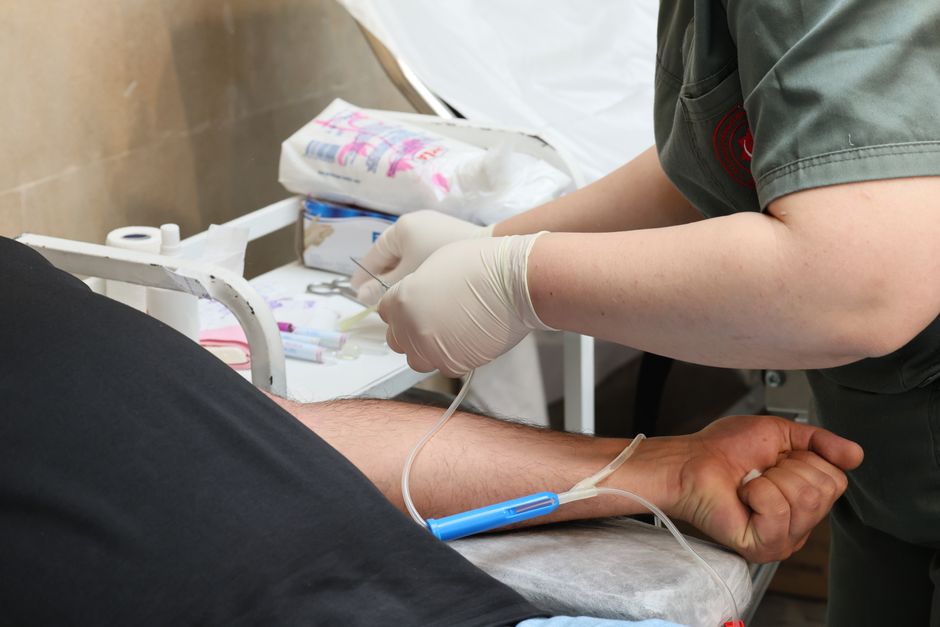
Inpatient care means you stay in a hospital overnight or longer. Outpatient care means you receive treatment and go home the same day. The distinction matters for your bill, your recovery, and how you prepare for a procedure.
What Is the Basic Difference Between Inpatient and Outpatient Care?
Inpatient care requires a formal admission to a hospital. You occupy a bed, receive nursing care around the clock, and stay at least one night. Outpatient care includes doctor visits, lab tests, same-day surgeries, and emergency room visits that do not lead to admission.
Your status is not decided by how serious the procedure sounds. It is decided by whether your doctor formally admits you to the hospital. A minor surgery can become inpatient care if complications require monitoring. A major surgery can be outpatient if you recover well enough to go home.
The same hospital can provide both types of care. The difference is your admission status, not the building you are in.
How Does Observation Status Fit Into This?
Observation status is a gray area that confuses many patients. You may spend one or two nights in a hospital bed, receive meals and nursing care, yet still be classified as an outpatient.
Observation means the doctor is not sure yet whether you need full admission. You are being evaluated. Medicare and most insurers treat observation as outpatient care. This matters because outpatient care is billed differently.
Many patients only discover their observation status when the bill arrives. Ask the nurse or doctor directly: “Am I admitted as an inpatient, or am I in observation?” Write down the answer. If your condition changes, ask again.
How Does Insurance Coverage Differ Between Inpatient and Outpatient Care?
Insurance plans usually cover both types of care, but the cost structure differs. Outpatient care typically involves a copay or coinsurance per visit. Inpatient care involves a deductible plus coinsurance calculated on the total hospital bill.
Medicare has specific rules. Inpatient admission triggers coverage under Medicare Part A, which covers hospital stays. Outpatient services fall under Medicare Part B, which covers doctor services and some hospital care.
The financial difference can be large. A single night in a hospital can cost thousands of dollars. Whether that night is billed as inpatient or observation changes what you owe. Some patients receive surprise bills for skilled nursing care that Medicare only covers after a three-day inpatient stay.
Before any planned procedure, call your insurer. Ask two questions: “Will this be billed as inpatient or outpatient?” and “What is my out-of-pocket cost for each scenario?” The answers affect your budget.





What Are Common Examples of Inpatient Care?
Major surgeries requiring recovery monitoring are typically inpatient. Examples include joint replacement, open heart surgery, and organ removal. Childbirth with a hospital stay is inpatient care. Treatment for serious infections, stroke, heart attack, or complicated pneumonia usually requires admission.
Mental health treatment can be inpatient or outpatient depending on severity. Inpatient psychiatric care involves staying in a facility for stabilization. Outpatient mental health care involves therapy sessions or medication management visits.
Rehabilitation services follow the same pattern. Inpatient rehab requires daily intensive therapy in a facility. Outpatient rehab means you travel to appointments several times per week.
What Are Common Examples of Outpatient Care?
Routine doctor visits are outpatient. So are most diagnostic tests like X-rays, blood work, and MRIs. Physical therapy sessions, chemotherapy infusions, and dialysis treatments are outpatient even when they take hours.
Many surgeries that once required hospital stays are now outpatient. Cataract surgery, hernia repair, gallbladder removal, and some joint procedures are routinely done as same-day surgeries. Patients go home within hours of the procedure.
Emergency room visits are outpatient unless you are admitted. You can spend eight hours in an emergency department and still be an outpatient. The clock only changes when a doctor writes an admission order.
How Do You Know Which Type of Care You Need?
Your doctor makes this decision based on your medical condition. The key question is whether you need monitoring or nursing care that cannot be provided at home. If you need intravenous medications, frequent vital sign checks, or close observation for complications, inpatient care is appropriate.
Your social situation matters too. A patient with no one at home may need inpatient care for recovery that another patient could manage at home. The decision is individualized.
Ask your doctor before any procedure: “Do you expect this to be inpatient or outpatient?” For emergency situations, the admitting doctor makes the decision after evaluating you. You can ask for the reasoning, and you can ask for a second opinion if you disagree.
How Does Your Recovery Plan Differ?
Outpatient recovery happens at home. You need someone to drive you home after procedures involving anesthesia. You need to arrange meals, medications, and follow-up appointments yourself.
Inpatient recovery happens in the hospital. Nurses monitor your vital signs, manage your medications, and help you move safely. The hospital provides meals and coordinates your discharge plan. Your responsibility shifts to preparing your home for your return.
Both paths require planning. For outpatient procedures, prepare your home before the appointment. Stock easy meals, arrange transportation, and fill prescriptions in advance. For inpatient stays, pack comfortable clothing, arrange care for pets or children, and designate someone to communicate with your care team.
Why Do Hospitals Sometimes Change Your Status?
Your status can change during a single hospital visit. A patient admitted as inpatient may improve faster than expected and be discharged earlier. A patient in observation may worsen and require formal admission. These changes happen based on your medical needs.
Status changes affect your bill. If your status changes, ask for the updated information in writing. Request a conversation with the hospital’s patient advocate or billing department if you have questions.
Some hospitals have faced legal scrutiny for classifying patients as observation to avoid Medicare penalties for short inpatient stays. This practice has been challenged in court. The law now requires hospitals to inform patients in observation status in writing. If you did not receive this notice, ask for it.
Frequently Asked Questions
Can I be in a hospital bed overnight and still be an outpatient?
Yes. Observation status allows you to stay in a hospital bed for one or more nights while being billed as outpatient care. Ask your care team directly whether you are admitted or in observation.
Does Medicare cover outpatient surgery?
Medicare Part B covers outpatient surgery, including same-day procedures at hospitals and ambulatory surgery centers. Your out-of-pocket cost includes the Part B deductible and 20 percent coinsurance.
Which costs more, inpatient or outpatient care?
Inpatient care almost always costs more because it includes room, board, and round-the-clock nursing care. A single inpatient hospital day can cost thousands of dollars, while outpatient procedures have fixed facility fees that are typically lower.
Can a doctor switch me from outpatient to inpatient during my visit?
Yes. If your condition changes or complications arise, your doctor can formally admit you to the hospital. Your insurance coverage and billing will then switch to inpatient rules from the time of admission.
