
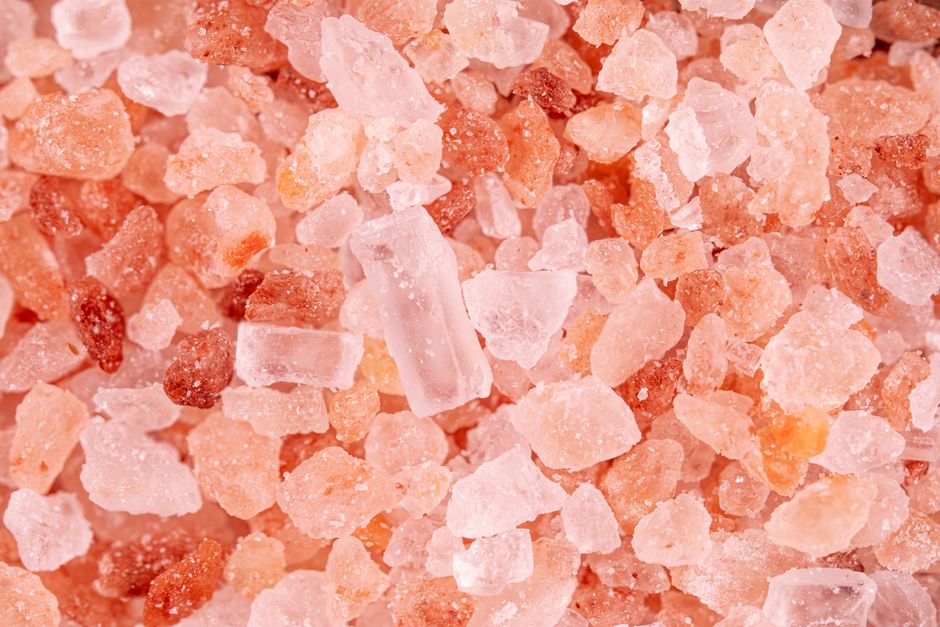
Salt does two very different jobs in food. It changes how flavor registers on your tongue, and it changes how microbes survive on food. Both jobs matter in the kitchen, but they work through entirely separate mechanisms. Understanding the difference helps you use salt with purpose rather than by habit.
How Salt Changes Flavor Perception
Salt is not just one flavor among many. It actively changes how you taste everything else in the food. When salt hits your tongue, it suppresses bitterness and enhances sweetness. That is why a pinch of salt in coffee or dark chocolate reduces the harsh edge without making the drink or bar taste salty.
The science behind this is well established. Sodium ions interact with taste receptor cells on your tongue. These interactions lower the threshold at which other flavors register. In practical terms, salt makes sweet foods taste sweeter and makes bitter foods taste less bitter.
Salt also affects aroma, which is a large part of what we call flavor. Your sense of smell does most of the heavy lifting when you taste food. Salt changes the volatility of certain aroma compounds, meaning it alters how readily those compounds reach your nasal passages. Some research suggests this is one reason salted foods taste more intensely flavored overall.
There is a practical limit to this effect. At low to moderate concentrations, salt enhances flavor. At high concentrations, salt becomes the dominant flavor and masks everything else. The goal in cooking is to find the level where salt amplifies without announcing itself.
Why Salt Preserves Food
Salt preserves food through osmosis. When salt concentration outside a microbial cell is higher than inside, water moves out of the cell. Microbes need water to survive and reproduce. Without it, they stop growing and eventually die.
This process is not instant. Salt does not sterilize food the way heat does. It creates conditions where spoilage organisms cannot thrive. The food remains technically alive with microbes, but the population stays low enough that the food does not spoil quickly.
Salt also reduces water activity in the food itself. Water activity is a measure of how much free water is available for chemical reactions and microbial growth. Lower water activity means less spoilage. This is why salt-cured meats, salted fish, and fermented vegetables last far longer than their fresh counterparts.
Different microbes tolerate salt differently. Most bacteria that cause food spoilage are inhibited at salt concentrations around 10 percent. Some molds and yeasts can survive higher levels. This is why heavily salted foods like salt pork can still develop mold on the surface over time.
What Does Salt Do To Food Flavor Preservation More?
Salt does both jobs simultaneously, but the preservation effect requires much higher concentrations than the flavor effect. A typical savory dish contains between 0.5 and 1.5 percent salt. That level enhances flavor significantly but does almost nothing to preserve the food.
Preservation begins at concentrations around 3 to 5 percent for short-term storage. Long-term preservation without refrigeration typically requires 10 to 20 percent salt, depending on the food. At those levels, the food tastes intensely salty and the flavor-enhancing properties of salt are completely overshadowed.
This distinction matters for home cooks. If you are seasoning a meal for dinner tonight, you are using salt for flavor. If you are curing meat or fermenting vegetables, you are using salt for preservation, and the flavor consequences are entirely different.
Some traditional preservation methods combine salt with other barriers. Fermentation uses salt to select for beneficial bacteria that produce acid, which preserves the food further. Smoking and drying add additional hurdles for spoilage organisms. These methods work together, and salt is only one part of the system.


Salt Types and Their Differences
| Salt Type | Primary Use | Flavor Impact |
|---|---|---|
| Table salt | General cooking and baking | Dissolves quickly; sharp salty taste |
| Kosher salt | Seasoning meat and general cooking | Less intense per pinch due to larger crystals |
| Sea salt | Finishing dishes | Trace minerals may add subtle complexity |
| Himalayan pink salt | Finishing and decorative use | Mineral content affects color more than taste |
| Pickling salt | Brines and preserves | No additives; pure salty taste |
All salt is primarily sodium chloride. The differences between types come down to crystal size, shape, and trace minerals. Crystal size matters for measuring and for how quickly salt dissolves on food. Larger crystals dissolve more slowly, which is why finishing salts provide bursts of saltiness rather than even distribution.
Iodized table salt contains added iodine, a nutrient added to prevent iodine deficiency. Some people notice a slight metallic aftertaste from the iodine compounds. This is not a quality issue. It is simply a difference in composition that some palates detect more than others.
For preservation purposes, any pure salt works. Additives like iodine or anti-caking agents can cause slight cloudiness in brine but do not affect safety. Pickling salt is preferred in canning because it dissolves completely and does not discolor the liquid.
Salt and Food Safety: What Home Cooks Should Know
Salt reduces but does not eliminate food safety risks. Some dangerous bacteria are more salt-tolerant than the spoilage bacteria that salt inhibits most effectively. Staphylococcus aureus can survive moderate salt concentrations, and Clostridium botulinum spores are not killed by salt at all.
This is why salt preservation is not a substitute for proper food safety practices. Cured meats still require correct handling, temperature control, and often additional preservatives like nitrites to prevent botulism. Home curing without proper guidance carries real risk.
The USDA and food safety authorities provide specific guidelines for home canning and curing. These guidelines exist because salt concentration alone is not a reliable safety measure. Following tested recipes and procedures is essential. Improvised preservation methods can produce food that looks and smells fine but contains dangerous pathogens.
If you are new to preservation, start with methods that have clear, tested protocols. Refrigerator pickles, quick ferments, and properly refrigerated cured items are more forgiving than shelf-stable canned goods. Shelf-stable preservation requires precise control of salt, acid, temperature, and time.
Salt Reduction and Flavor
Many people need to reduce sodium for health reasons. High blood pressure is common, and reducing sodium intake is one of the most effective dietary changes for managing it. The challenge is that salt plays such a central role in flavor that cutting it can make food taste flat.
Some strategies can help compensate. Acid from lemon juice or vinegar enhances flavor similarly to salt. Umami-rich ingredients like mushrooms, tomatoes, and aged cheese add savory depth. Spices and fresh herbs provide flavor without sodium. These strategies do not replace salt exactly, but they reduce the amount needed.
Taste adaptation also matters. Research shows that people who gradually reduce salt intake over several weeks begin to prefer lower-salt foods. The taste buds adjust. Foods that initially taste bland become satisfying after the adjustment period.
Salt substitutes containing potassium chloride can help some people reduce sodium. These substitutes taste similar to salt but carry their own risks. People with kidney disease or those taking certain blood pressure medications should consult a doctor before using potassium-based salt substitutes.
Salt in Baking and Dough
Salt plays a structural role in baking that has nothing to do with taste or preservation. In bread dough, salt strengthens the gluten network. This produces a better crumb structure and helps the bread hold gas from fermentation. Bread made without salt rises faster but collapses more easily and has a coarse, uneven texture.
Salt also controls yeast activity. Yeast is a living organism, and salt slows its metabolism. This is desirable in bread making because it prevents the dough from over-proofing. The yeast produces gas more slowly and steadily, which gives the dough a more even rise.
In cakes and cookies, salt balances sweetness and enhances other flavors. A cookie recipe without salt tastes flat and overly sweet, even though the salt content is small. The flavor-enhancing properties of salt are at work even in desserts.
Frequently Asked Questions
How much salt is needed to preserve food?
Long-term preservation without refrigeration typically requires salt concentrations of 10 to 20 percent. Short-term preservation can work at lower levels around 3 to 5 percent, but refrigeration is still needed for safety.
Does salt kill bacteria in food?
Salt does not reliably kill bacteria. It creates conditions where most bacteria cannot grow by drawing water out of their cells. Some bacteria and spores survive high salt concentrations, which is why salt preservation alone is not always safe.
Why does salt make food taste better?
Salt suppresses bitter flavors and enhances sweet and savory flavors by interacting with taste receptors on the tongue. It also changes how aroma compounds reach your nose, which intensifies overall flavor perception.
Can salt substitutes replace regular salt in cooking?
Potassium chloride substitutes can replace some salty taste but do not behave identically in preservation or baking. People with kidney disease or on certain blood pressure medications should ask a doctor before using them.
