
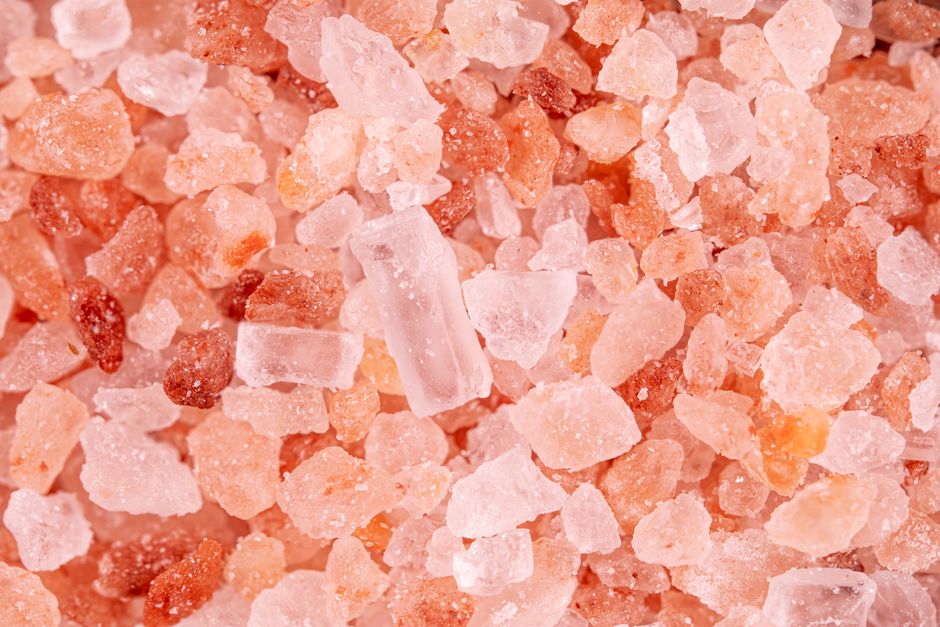
Salt is essential for human life, but most people eat far more than their bodies need. In the body, salt (sodium chloride) helps control blood pressure, keeps nerves firing, and makes muscles contract. In food, salt enhances flavor, preserves ingredients, and changes texture. The challenge is balance: too little sodium is dangerous, and too much is linked to heart disease and stroke.
What Does Salt Do For Your Body And In Food?
Sodium is a mineral that your body cannot make on its own. You must get it from food and drink. Once inside, sodium works as an electrolyte — a charged particle that carries electrical signals through your body.
Those signals control two critical jobs. First, they allow nerves to send messages from your brain to the rest of your body. Second, they trigger muscles to contract, including your heart muscle. Without sodium, your heart would not beat and your nerves would go silent.
Sodium also manages fluid balance. Your kidneys decide how much sodium to keep and how much to flush out in urine. When sodium levels rise, your body holds onto water to dilute it. That extra water increases blood volume, which raises blood pressure.
In food, salt does different work. It is one of the oldest preservatives known to humans. By drawing moisture out of food, salt makes it hard for bacteria and mold to grow. It also enhances flavor — not just by tasting salty, but by suppressing bitterness and boosting sweetness and umami.
How Much Sodium Do You Actually Need?
The minimum amount of sodium required for survival is very small. The body needs roughly 500 milligrams per day to maintain normal function. That is about one-quarter of a teaspoon of salt.
Most Americans consume far more. The average daily intake in the United States is around 3,400 milligrams, according to national dietary surveys. This is well above the recommended limit of 2,300 milligrams per day — about one teaspoon of salt — set in the Dietary Guidelines for Americans.
For people with high blood pressure, kidney disease, or heart failure, doctors often recommend a lower target. Some clinical guidelines suggest 1,500 milligrams per day for these higher-risk groups, though individual recommendations vary.
It is worth understanding the difference between salt and sodium. Table salt is about 40% sodium by weight. So 2,300 milligrams of sodium equals roughly 5,800 milligrams — about one teaspoon — of salt. Food labels list sodium, not salt, which confuses many shoppers.
What Happens When You Eat Too Much Salt
High sodium intake raises blood pressure in most people. This is one of the most consistent findings in nutrition research. The effect is stronger in some individuals than others, but the overall pattern is clear: more sodium means higher blood pressure.
High blood pressure damages blood vessels over time. It makes the heart work harder, increases the risk of heart attack, stroke, and kidney damage. The link between excess sodium and cardiovascular disease is well established in large population studies.
There is also evidence that high salt intake harms the stomach lining. Some research suggests a connection between salty diets and stomach cancer, though the exact mechanism is still being studied. The World Health Organization identifies high sodium intake as a contributing factor.
Excess sodium can also pull calcium out of bones. When the body excretes extra sodium in urine, it takes calcium along with it. Over years, this may contribute to bone thinning and osteoporosis, especially in older adults.





Can You Eat Too Little Salt?
Yes. Low blood sodium, called hyponatremia, is a real medical condition. It can cause confusion, headaches, fatigue, and in severe cases, seizures or coma.
Hyponatremia most commonly affects athletes who drink large amounts of water without replacing sodium, older adults on certain medications, and people with kidney or heart conditions. Endurance athletes who sweat heavily are especially vulnerable.
For healthy people eating a normal diet, sodium deficiency is extremely rare. The body is good at conserving sodium when intake drops. But people who follow extremely restrictive diets, or who lose large amounts of sodium through excessive sweating, should pay attention to their intake.
Salt tablets and electrolyte drinks are generally unnecessary for the average person. They are designed for athletes exercising for hours in the heat, not for people sitting at a desk.
How Salt Preserves Food and Changes Its Texture
Salt preservation works through osmosis. When salt is applied to food, it draws water out of the cells of bacteria and mold. Without water, these microorganisms cannot survive or multiply. This is why salted meats, fish, and vegetables last far longer than fresh ones.
The technique has been used for thousands of years. Before refrigeration, salting was one of the only reliable ways to keep food through winter. Today, salt still plays a role in preserving many commercial products, though modern methods like refrigeration and vacuum sealing have reduced dependence on it.
Salt also changes food structure. In bread making, salt strengthens gluten, giving dough elasticity and helping it hold gas from yeast. This produces a better rise and a chewier crumb. Without salt, bread tends to be flat and dense.
In cured meats like bacon and ham, salt draws out moisture and alters proteins, creating the firm texture and distinctive flavor people expect. In pickling, salt creates an environment where beneficial bacteria can ferment vegetables while harmful bacteria cannot grow.
Which Foods Are the Biggest Sources of Salt?
Most dietary sodium does not come from the salt shaker. It comes from processed and restaurant foods. This surprises many people who believe they eat a low-salt diet because they do not salt their cooking.
Breads and rolls are a leading source of sodium in the American diet, not because they taste salty but because people eat them daily. Cold cuts and cured meats, pizza, poultry dishes, soups, sandwiches, and cheese are also major contributors.
Restaurant meals are notoriously high in sodium. A single restaurant entree can contain more than the entire daily recommended limit. Fast food is especially concentrated in salt, partly because salt masks the flavor of lower-quality ingredients and makes food more appealing.
Reading food labels is the most reliable way to track sodium. Check the sodium content per serving, and pay attention to serving size. Many products that seem like single servings actually contain two or three.
How to Reduce Salt Without Losing Flavor
Your taste buds adapt to salt levels over time. People who gradually reduce their sodium intake often find that foods they once enjoyed now taste overly salty. This adaptation typically takes several weeks.
Cooking at home gives you direct control over sodium. Using herbs, spices, garlic, onion, citrus, and vinegar can add flavor without salt. Acidic ingredients like lemon juice or vinegar can brighten a dish and reduce the need for salt.
When buying packaged foods, compare brands. Sodium content varies widely between similar products. Choosing low-sodium versions of canned vegetables, broths, and sauces can significantly reduce daily intake.
Rinsing canned beans and vegetables removes a meaningful amount of added salt. Draining and rinsing can cut sodium content by roughly one-third to one-half, depending on the product.
Who Should Be Most Careful About Salt?
People with high blood pressure should pay the closest attention to sodium intake. The connection between salt and blood pressure is strongest in this group. Reducing sodium often produces measurable drops in blood pressure within weeks.
People with kidney disease also need to limit sodium. Damaged kidneys struggle to excrete excess sodium, which can lead to fluid buildup, swelling, and further kidney damage. The same applies to people with heart failure, where extra fluid strains an already weakened heart.
Older adults are more sensitive to salt’s effects on blood pressure. Blood vessels stiffen with age, making blood pressure more reactive to sodium. People over 50 are more likely to benefit from sodium reduction than younger adults.
Certain medications interact with sodium. Diuretics, sometimes called water pills, cause the body to lose sodium. People taking these medications should not restrict sodium without discussing it with their doctor, as this can lead to dangerously low levels.
Is Sea Salt or Pink Salt Healthier Than Table Salt?
Sea salt, Himalayan pink salt, and table salt contain nearly the same amount of sodium by weight. The differences are in trace minerals and processing, not in sodium content.
Sea salt is made by evaporating seawater. It retains small amounts of minerals like magnesium, calcium, and potassium. Pink salt gets its color from trace amounts of iron oxide. Kosher salt has a larger crystal size, which means less sodium fits in a teaspoon compared to fine table salt.
None of these differences are clinically meaningful. No evidence shows that fancy salts are healthier than regular table salt. The trace minerals are present in amounts too small to affect health.
One difference matters: iodized table salt contains added iodine. Iodine is essential for thyroid function, and iodine deficiency causes goiter and other health problems. People who use only sea salt or pink salt and do not get iodine from other sources may not meet their iodine needs.
Frequently Asked Questions
Is salt the same as sodium?
No. Salt is sodium chloride, and only about 40% of its weight is sodium. When you see sodium on a food label, that number is the actual sodium content, not the salt content.
How much salt is too much per day?
The recommended limit is 2,300 milligrams of sodium per day, which is about one teaspoon of salt. Most Americans consume around 3,400 milligrams daily, well above that limit.
Does sea salt raise blood pressure less than table salt?
No. Sea salt and table salt contain nearly identical amounts of sodium by weight, so they affect blood pressure the same way. The trace minerals in sea salt are too small to make a difference.
Can drinking more water flush out excess salt?
Water helps your kidneys excrete sodium, but it does not cancel out a high-salt diet. Drinking extra water temporarily dilutes sodium in your blood, but your body will still absorb the sodium you ate.
