
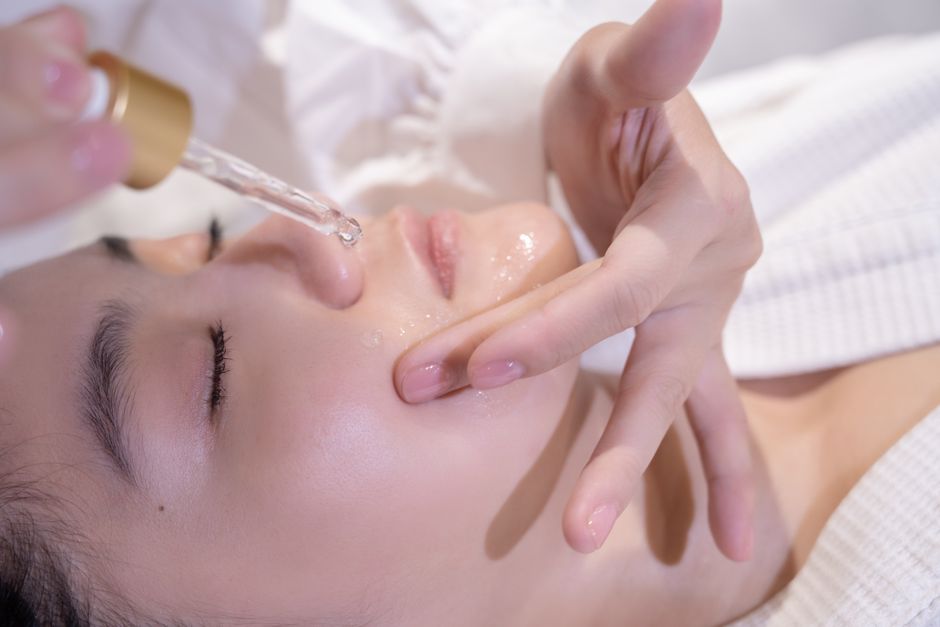
The treatment that soothes and moisturizes the skin is a moisturizer formulated with the right balance of humectants, emollients, and occlusives. For most people, this means a product containing ingredients like glycerin, ceramides, and petrolatum or dimethicone. These ingredients work together to pull water into the skin, smooth the surface, and seal moisture in, reducing dryness, irritation, and itchiness.
What ingredients make a moisturizer effective?
The most effective moisturizers contain three main types of ingredients.
Humectants attract water. Glycerin and hyaluronic acid are common examples. They pull moisture from the air and from deeper skin layers to the surface.
Emollients fill in gaps between skin cells. They make the skin feel smoother and softer. Ceramides and squalane are well-studied emollients.
Occlusives create a physical barrier on the skin to prevent water loss. Petrolatum (petroleum jelly) is the gold standard occlusive. It reduces water loss by more than 98% in research. Other occlusives include dimethicone, shea butter, and mineral oil.
A single product often contains all three types. The ratio depends on your skin’s needs. Dry and damaged skin usually needs more occlusives. Oily skin can benefit from lighter emollients and humectants.
What treatment soothes and moisturizes the skin for common conditions?
For dry, flaky skin, a thick cream or ointment with petrolatum or shea butter works well. These provide strong occlusion and repair the skin barrier.
For eczema (atopic dermatitis), the standard recommendation is a fragrance-free moisturizer rich in ceramides and lipids. The National Eczema Association supports products that restore the skin barrier. Many dermatologists recommend applying moisturizer immediately after bathing while skin is still damp to trap moisture.
For sensitive or reactive skin, simple formulations with fewer ingredients reduce the risk of irritation. Look for products labeled “fragrance-free” (not just “unscented”) and avoid common irritants like alcohol, essential oils, and dyes. Ingredients like colloidal oatmeal and niacinamide have evidence for soothing inflammation.
For acne-prone skin, choose non-comedogenic moisturizers. Gel-based or lotion formulas with hyaluronic acid and niacinamide hydrate without clogging pores. Avoid heavy occlusives like petrolatum if you are prone to breakouts.
For aging skin, moisturizers with retinol or peptides may improve texture over time, but they are not strictly moisturizing. Focus first on adequate hydration and sun protection.
| Ingredient type | Example ingredients | What they do | Best for |
|---|---|---|---|
| Humectants | Glycerin, hyaluronic acid | Attract and hold water | All skin types, especially dehydrated skin |
| Emollients | Ceramides, squalane, fatty acids | Smooth and soften skin | Dry, rough, or flaky skin |
| Occlusives | Petrolatum, dimethicone, lanolin | Seal in moisture | Very dry or damaged skin |
How should you apply moisturizer for best results?
Timing matters. Apply moisturizer within three minutes of bathing or washing your face. This locks in water that has absorbed into the skin during washing. Waiting longer lets water evaporate, which makes dryness worse.
Use enough product. For the face, a pea-sized amount is often enough. For the body, use a generous amount to cover all dry areas. Many people underapply, especially with thicker creams.
Apply in the correct order if you use multiple products. For facial moisturizers, apply thinnest consistency first and thickest last. A typical routine: clean, apply treatment (if any), then moisturizer, then sunscreen in the morning.
Do not rub vigorously. Gently pat or smooth the product in the direction of hair growth. Rubbing can irritate sensitive skin.



What about prescription treatments?
If over-the-counter moisturizers do not control dryness, redness, or itching, a doctor may recommend prescription treatments. These are not moisturizers themselves but address underlying causes.
For eczema, topical corticosteroids reduce inflammation and itching. They should be used only as prescribed, typically for short periods. Calcineurin inhibitors like tacrolimus are non-steroid options for certain skin conditions.
For very dry, thickened skin, products with urea or lactic acid in prescription-strength concentrations can exfoliate and moisturize. These are keratolytics. They soften dead skin cells so the moisturizer can penetrate better.
Prescription treatments should never be substituted for a basic moisturizer. They address the disease, while moisturizers address the dryness. Both are often needed together.
Can diet and lifestyle affect skin moisture?
Yes, but the effect is modest compared to direct moisturizing. Drinking enough water prevents dehydration, but there is little evidence that extra water beyond normal thirst improves skin hydration in healthy people. A diet rich in essential fatty acids—found in fish, nuts, and seeds—may support the skin barrier over time. Some studies suggest omega-3 supplements can reduce skin dryness and inflammation, but results vary.
Avoid overwashing. Hot water and harsh soaps strip natural oils. Use lukewarm water and mild, fragrance-free cleansers. Humidifiers can add moisture to dry indoor air, which helps the skin retain water, especially in winter.
Sun exposure breaks down collagen and damages the skin barrier. Daily sunscreen use is part of any routine to maintain healthy skin. Choose a broad-spectrum SPF 30 or higher.
What skin care myths should you ignore?
One common myth is that oily skin does not need moisturizer. Oily skin can still be dehydrated. Using a lightweight, oil-free moisturizer helps the skin regulate its own oil production. Skipping moisturizer can make the skin produce even more oil to compensate.
Another myth is that “natural” products are always better. Many natural ingredients, like essential oils or plant extracts, can cause allergic reactions or irritation. Synthetic ingredients like dimethicone and petrolatum are well studied and safe for most people. Effectiveness matters more than the source.
A third myth is that drinking large amounts of water will cure dry skin. While good hydration is important, the skin barrier is the main controller of water loss. Moisturizers work on the barrier directly. Drinking more water than your body needs will not fix a damaged skin barrier.
Frequently Asked Questions
What is the best moisturizer for very dry skin?
A thick cream or ointment with petrolatum, dimethicone, or shea butter as the main occlusive is most effective for very dry skin. Look for formulas that also contain ceramides or glycerin.
Can using moisturizer make acne worse?
It can if you use a heavy, comedogenic product. Choose a non-comedogenic, oil-free moisturizer with humectants like hyaluronic acid or glycerin to avoid clogging pores.
How often should I apply moisturizer?
Apply at least twice daily—once in the morning and once after washing at night. Reapply after swimming, sweating, or washing your hands if needed.
Is it safe to use petroleum jelly on the face?
Yes, petroleum jelly is safe for the face when used in a thin layer on dry spots. It is non-comedogenic for most people, meaning it does not clog pores, but its heavy texture can be uncomfortable for some.
