
What Does a Poison Ivy Rash Actually Look Like?
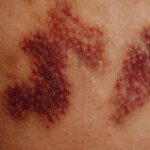
The rash from poison ivy has a very distinct appearance. It usually shows up as straight red lines or streaks on your skin. These lines are not random — they mark exactly where the plant’s leaves or stems touched you.
Within the red areas, you will see small blisters. These blisters can be tiny like a pinhead or larger. They often appear in clusters. The blisters may ooze a clear fluid if they break open. This fluid is not contagious and does not spread the rash to other parts of your body or to other people.
The skin around the rash looks swollen and inflamed. The whole area feels warm to the touch. In severe cases, the swelling can be dramatic, especially if the rash is on your face or eyelids. The American Academy of Dermatology notes that the rash can look different depending on your skin tone. On lighter skin, the redness is obvious. On darker skin, the rash may appear more purple or dark brown than red.
What Are the Stages of a Poison Ivy Rash?
The rash follows a predictable timeline. Knowing the stages helps you understand what to expect and when to seek medical help.
Stage one: Contact and incubation. The moment you touch urushiol, the oil from the plant, it binds to your skin. Nothing happens immediately. The oil is invisible and odorless. Most people have 12 to 48 hours before anything appears. Some people react faster, within four hours. Others, especially if they have never been exposed before, may take up to a week.
Stage two: Redness and itching. This is the first visible sign. The skin turns red in the exact pattern of contact. The itching starts mild but quickly becomes intense. Scratching does not help — it only damages the skin further.
Stage three: Blisters. Within 24 to 48 hours after redness appears, small blisters form. They fill with clear fluid. Over the next few days, these blisters can grow and merge into larger ones. This is often the most uncomfortable stage.
Stage four: Crusting and healing. The blisters dry out and form crusts or scabs. The itching gradually fades. New skin forms underneath. This stage lasts about one to two weeks. The entire rash typically resolves within three weeks without treatment.
One important fact: new blisters can keep appearing for several days, even after you washed the oil off. This is not because the rash is spreading. It is because the oil absorbed into your skin at different depths, and the deeper pockets take longer to reach the surface.
How Can You Tell Poison Ivy From Other Rashes?
Many skin conditions look similar, but poison ivy has a few telltale signs. Here is a comparison table to help you distinguish it:
| Feature | Poison Ivy Rash | Other Common Rashes |
|———|—————-|———————|
| Pattern | Linear streaks or patches | Often round, oval, or scattered |
| Blisters | Small, clear, oozing fluid | Rarely blisters; if present, usually dry |
| Itching | Intense, constant | Mild to moderate |
| Location | Exposed skin only | Can appear anywhere |
| Onset | 12-72 hours after contact | Varies widely |
| Spread | Does not spread on its own | May spread with infection or allergy |
The linear pattern is the biggest clue. If you see straight lines of red bumps or blisters, poison ivy is likely. Most other rashes, like eczema or contact dermatitis from soap, appear in more random patterns.
Another clue: poison ivy rash only appears on skin that directly touched the plant. You will not get it on your back unless you brushed against the plant there. You will not get it on both arms unless both arms were exposed.




What Symptoms Should You Watch For Beyond the Rash?
The rash itself is the main symptom, but poison ivy can cause other problems. These symptoms depend on how much oil got on your skin and how sensitive you are.
Intense itching is almost universal. It can interfere with sleep and daily activities. The urge to scratch is strong, but scratching breaks the skin and can lead to bacterial infection. Signs of infection include increased redness, warmth, pus, and fever.
Swelling is common, especially around the eyes, genitals, and face. The skin in these areas is thinner and more reactive. Swelling can be severe enough to close an eye temporarily. This looks alarming but usually resolves on its own.
Difficulty breathing is rare but serious. This can happen if you inhale smoke from burning poison ivy plants. The smoke carries urushiol particles into your lungs. Symptoms include coughing, wheezing, and chest tightness. If this happens, seek emergency care immediately.
The Centers for Disease Control and Prevention (CDC) warns that severe allergic reactions, though uncommon, can require medical treatment. If the rash covers a large area of your body, or if you have trouble swallowing or breathing, do not wait — see a doctor.
What Actually Works for Treating Poison Ivy?
Treatment focuses on relieving symptoms while your body heals. There is no cure for the rash itself. Your immune system has to clear the urushiol from your skin, and that takes time.
Wash immediately. If you know you touched poison ivy, wash your skin with soap and cool water within 15 to 30 minutes. This removes most of the oil and can prevent the rash or make it less severe. Do not use hot water — it opens your pores and lets more oil in. Do not scrub hard. Just gentle washing.
Use over-the-counter treatments. Calamine lotion helps dry out oozing blisters and soothes itching. Hydrocortisone cream (1%) can reduce redness and swelling. Antihistamines like diphenhydramine (Benadryl) taken by mouth can help with itching, especially at night. Do not put antihistamine cream on the rash — it can cause allergic reactions in some people.
Apply cool compresses. A clean cloth soaked in cool water, applied for 15 to 20 minutes several times a day, reduces itching and swelling. Some people find oatmeal baths helpful. The evidence for oatmeal is weak, but it is safe and may provide temporary relief.
See a doctor for severe cases. Prescription treatments include stronger steroid creams, oral steroids like prednisone, or steroid injections. These are for rashes that cover more than 10% of your body, are on your face or genitals, or are not improving with over-the-counter care.
What does not work: bleach, rubbing alcohol, hydrogen peroxide, or vinegar. These can burn your skin and make the rash worse. Do not pop blisters intentionally. Let them dry on their own.
What Are Common Misconceptions About Poison Ivy?
Several myths about poison ivy are widespread. Knowing the truth can save you from unnecessary worry or bad treatment choices.
Myth: The rash is contagious. This is false. The fluid from blisters does not contain urushiol and cannot give anyone else poison ivy. Only direct contact with the plant oil causes the rash. Once you wash the oil off your skin, you are not contagious.
Myth: You can get poison ivy from someone else’s rash. No. Touching another person’s blisters or crusts will not give you the rash. The only risk is if you touch their clothing or tools that still have urushiol on them. The oil can stay active on surfaces for months.
Myth: Dead poison ivy plants are safe. Not true. Urushiol remains active in dead plants for up to five years. Never touch dead vines or stems. Burning dead poison ivy is especially dangerous because the smoke carries the oil into the air.
Myth: You can build immunity by eating poison ivy. This is dangerous and false. Eating poison ivy can cause severe internal reactions, including throat swelling and organ damage. There is no evidence it prevents the rash.
Myth: Once you have had poison ivy, you are immune. The opposite is true. Each exposure can make you more sensitive. The first reaction is often mild. Subsequent reactions tend to be more severe. Some people develop lifelong severe allergies after multiple exposures.
Frequently Asked Questions
How long does a poison ivy rash last?
Most poison ivy rashes last one to three weeks without treatment. Severe cases may take up to a month to fully heal.
Can poison ivy spread on your body after you wash?
No. The rash only appears where urushiol touched your skin. New blisters can form for several days as deeper pockets of oil reach the surface, but this is not spreading.
Does scratching poison ivy make it spread?
No. Scratching does not spread the oil or the rash. However, it can break the skin and cause a bacterial infection, which makes the rash worse.
What kills poison ivy oil on skin?
Soap and cool water are the only effective way to remove urushiol from skin. Rubbing alcohol can also work if used within 15 minutes of contact. Do not use hot water or bleach.
