
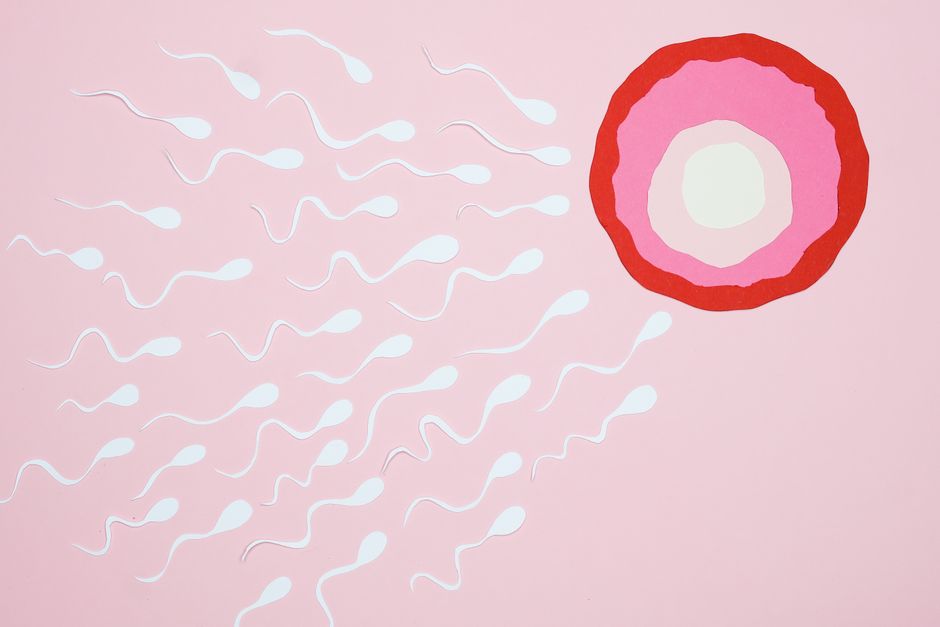
Low sperm morphology means a large percentage of your sperm have an unusual shape. This shape matters because sperm must be properly formed to swim effectively and penetrate an egg. When most sperm are misshapen, natural conception can take longer or may not happen without medical help.
Your doctor will tell you about this after a semen analysis. The test looks at the size and shape of sperm under a microscope. If many sperm have defects in the head, midpiece, or tail, the lab will report a low morphology score. This is one of several factors that together determine your fertility status.
It is important to know that having low morphology does not mean you are sterile. Many men with this condition can still father children. It simply means the odds of conception each cycle are lower, and you may need assisted reproductive technology to succeed.
How Is Sperm Morphology Measured?
Morphology is measured during a standard semen analysis. A lab technician smears a sample of semen on a slide, stains it, and examines hundreds of sperm under high magnification. The technician checks each sperm against strict criteria for what a normal sperm should look like.
A normal sperm has an oval head with a smooth contour, a well-defined acrosome covering 40-70 percent of the head, and a single straight tail. The midpiece should be slender and aligned with the long axis of the head. Any deviation from these standards marks the sperm as abnormal.
The World Health Organization publishes reference values for semen analysis. The current threshold for normal morphology is 4 percent or more normally shaped sperm. That means if fewer than 4 out of every 100 sperm have a normal shape, the sample is classified as having low morphology. Many people are surprised that the cutoff is so low, but this is the established clinical standard.
Different labs may use different classification systems. The strict criteria described above are the most common. Some labs use older, more lenient criteria that produce higher percentages. Always ask which criteria your lab used before comparing your results to published numbers.
What Does Low Sperm Morphology Mean For Fertility?
Low sperm morphology means a reduced chance of natural conception. Sperm with abnormal shapes often cannot swim in a straight line or move with enough force to reach the egg. Many also fail to bind to and penetrate the outer layer of the egg, which requires a properly formed head and acrosome.
This does not mean conception is impossible. It takes only one healthy sperm to fertilize an egg. Even with a morphology score below 4 percent, you may still have thousands of normally shaped sperm in each ejaculate. The issue is statistical: fewer normal sperm means lower odds each cycle.
Morphology is never the only factor. Sperm count and motility matter just as much. A man with low morphology but excellent count and motility may have better fertility than a man with normal shape but very low count. Your doctor will look at all three numbers together to assess your overall fertility.
Research consistently shows that low morphology is associated with longer time to pregnancy. Some studies indicate that men with severe morphology issues have higher rates of infertility. However, the predictive value of morphology alone is limited, which is why doctors rarely use it as a standalone diagnosis.
What Causes Abnormal Sperm Shape?
Sperm shape is determined during spermatogenesis, the process by which the body produces sperm in the testes. This process takes about 64 days. Any disruption during this window can affect the final shape of the sperm.
Common causes include varicocele, which is an enlargement of veins in the scrotum that raises testicular temperature. Heat exposure from tight underwear, hot tubs, or prolonged sitting can also impair sperm development. Smoking, heavy alcohol use, and recreational drugs have all been linked to abnormal sperm morphology in studies.
Infections of the reproductive tract can cause temporary changes in sperm shape. Sexually transmitted infections, prostate infections, and epididymitis may all play a role. Treating the infection often improves morphology on subsequent testing.
Hormonal imbalances can also contribute. Low testosterone, thyroid disorders, and elevated prolactin can disrupt spermatogenesis. Genetic conditions such as chromosomal abnormalities may cause permanently abnormal sperm shape, though these are less common.
Oxidative stress is another established factor. Reactive oxygen species can damage the DNA and membranes of developing sperm. Poor diet, environmental toxins, and chronic illness all increase oxidative stress. Antioxidant therapy is sometimes recommended, though clinical evidence for its effectiveness is mixed.
In many cases, no clear cause is found. Idiopathic low morphology is the term doctors use when testing reveals no underlying explanation. This is frustrating but common, and it does not change the treatment options available to you.





Can Low Sperm Morphology Be Improved?
Lifestyle changes can improve sperm morphology in some men. If you smoke, quitting is one of the most effective steps you can take. Studies have found that smokers have significantly lower morphology scores than non-smokers, and that quitting improves sperm quality within three months.
Reducing alcohol intake helps as well. Heavy drinking impairs testosterone production and increases oxidative stress. Limiting alcohol to no more than a few drinks per week is a reasonable target, though no specific threshold has been proven in clinical trials.
Weight loss improves sperm parameters in obese men. Adipose tissue produces estrogen, which can lower testosterone and impair spermatogenesis. Losing even 5-10 percent of body weight has been shown to improve semen quality in some studies.
Avoiding heat exposure is important. Stop using hot tubs and saunas while trying to conceive. Wear loose-fitting underwear and avoid placing a laptop on your lap for extended periods. These changes are low-risk and may help, though the evidence is largely based on physiological reasoning rather than large clinical trials.
Supplements are commonly marketed for sperm health. Zinc, selenium, coenzyme Q10, and L-carnitine have all been studied. Some research suggests benefit, but results are inconsistent and no supplement has been proven to reliably improve morphology. Speak with your doctor before starting any supplement regimen.
It takes about 64 days for new sperm to mature. Any improvement from lifestyle changes will not show up on a semen analysis for at least two to three months. Be patient and retest after a reasonable interval.
What Are The Treatment Options For Low Morphology?
If lifestyle changes do not resolve the issue, fertility treatments can help. The right option depends on your overall semen profile and your partner’s fertility status.
Intrauterine insemination (IUI) involves washing sperm and placing it directly into the uterus. This bypasses the cervix and shortens the distance sperm must travel. IUI can be effective for mild to moderate morphology issues, especially when combined with ovulation induction medications.
In vitro fertilization (IVF) is a more advanced option. Eggs are retrieved from the partner and fertilized with sperm in a laboratory. This eliminates the need for sperm to swim to the egg, which is helpful when motility is also impaired.
Intracytoplasmic sperm injection (ICSI) is often used when morphology is severely abnormal. A single sperm is selected under a microscope and injected directly into the egg. This bypasses all natural barriers to fertilization and is the most effective treatment for low morphology.
ICSI is now routine in fertility clinics. Studies show that fertilization rates with ICSI are similar regardless of morphology score, as long as at least some normal sperm are present. Even men with virtually no normally shaped sperm can often achieve fertilization with ICSI.
No clinical guidelines currently recommend specific supplements or medications to treat low morphology directly. Treatment focuses on addressing underlying causes and using assisted reproduction when needed.
When Should You See A Doctor?
See a fertility specialist if you have been trying to conceive for one year without success. If your partner is over 35, the timeline shortens to six months. These are the standard clinical recommendations for when to seek evaluation.
You should also seek evaluation sooner if you have known risk factors. A history of testicular surgery, undescended testicles, or cancer treatment can affect fertility. So can a history of sexually transmitted infections or known hormonal disorders.
Your doctor will order a semen analysis and may repeat it if the first result is abnormal. Because sperm quality fluctuates, two abnormal samples are needed to confirm a diagnosis. Do not panic over a single poor result.
A urologist who specializes in male fertility can perform a physical exam and order additional testing. This may include hormone blood tests, genetic testing, or imaging of the scrotum. The goal is to identify any treatable cause before moving to assisted reproduction.
Frequently Asked Questions
Can I get my partner pregnant with low sperm morphology?
Yes, it is possible. You only need one healthy sperm to fertilize an egg, and most men with low morphology still produce some normal sperm. It may take longer, and fertility treatments can improve your chances.
What is a normal sperm morphology percentage?
The World Health Organization threshold for normal morphology is 4 percent or more. Below that is considered low. This strict cutoff reflects the fact that even fertile men produce many abnormally shaped sperm.
Does low sperm morphology mean I am infertile?
No. Low morphology reduces your chances of natural conception but does not mean you cannot father a child. Many men with low morphology conceive naturally or with the help of IUI, IVF, or ICSI.
How long does it take for sperm morphology to improve?
Sperm take about 64 days to mature. If you make lifestyle changes, expect to wait at least two to three months before seeing improvement on a semen analysis.
