
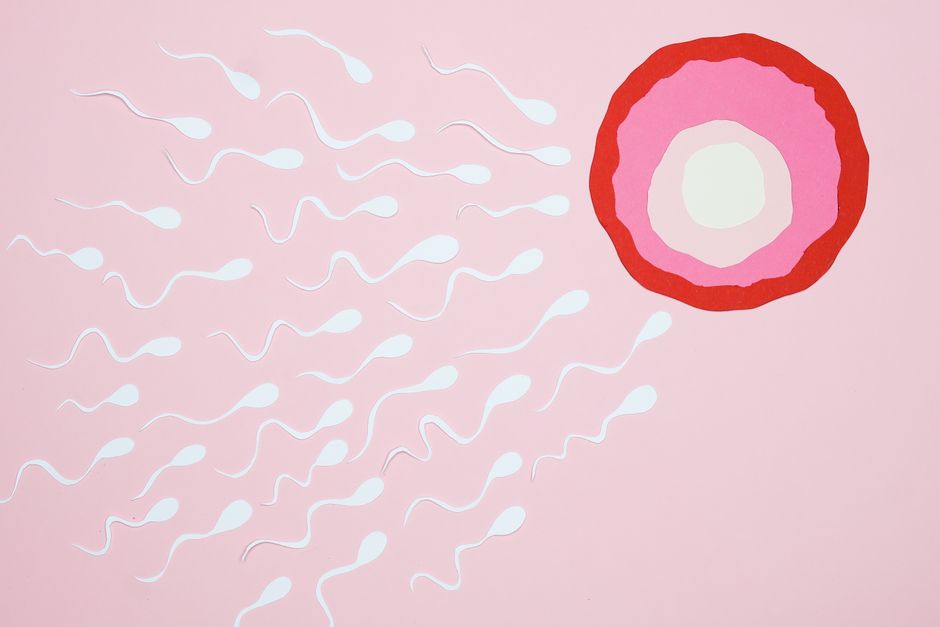
A single ejaculation typically contains between 15 million and 200 million sperm per milliliter of semen. The total volume of an ejaculation is usually between 1.5 and 5 milliliters, which means a single ejaculation can contain anywhere from roughly 40 million to over 500 million sperm total. These numbers come from the World Health Organization’s reference ranges for semen analysis, which are used to evaluate male fertility.
What Is the Normal Sperm Count Range?
The World Health Organization (WHO) sets the standard reference ranges for semen analysis. These ranges are updated periodically based on data from men who conceived a pregnancy within 12 months.
According to the most recent WHO reference values, a normal sperm concentration is 16 million sperm per milliliter or higher. A normal total sperm count per ejaculation is 39 million or more. A normal ejaculate volume is 1.5 milliliters or more.
These are minimum thresholds, not averages. Many healthy men produce far more. Sperm concentrations above 200 million per milliliter are not considered a problem, though they are on the higher end of the spectrum.
It is important to understand that these numbers represent the lower limit of normal. A man with 15 million sperm per milliliter is not necessarily infertile, but his count falls below the WHO reference range. Fertility is a spectrum, and many factors beyond sperm count affect the chance of conception.
How Much Sperm Is In One Ejaculation The Facts: Volume and Concentration
Two separate numbers matter when looking at an ejaculation: the volume of fluid and the concentration of sperm within that fluid.
The volume of semen comes mostly from the seminal vesicles and the prostate gland. The seminal vesicles contribute about 60 to 70 percent of the fluid. The prostate adds about 20 to 30 percent. The testicles and epididymis contribute only a small fraction of the total volume, but they provide the sperm cells themselves.
Sperm concentration refers to how many sperm cells are packed into each milliliter of semen. When a lab reports a sperm count, it usually reports both the concentration and the total count. The total count is calculated by multiplying the concentration by the volume.
For example, a man with a volume of 3 milliliters and a concentration of 50 million sperm per milliliter has a total count of 150 million sperm in that single ejaculation.
Why Sperm Counts Vary From Day to Day
A single semen analysis is not a definitive measure of a man’s fertility. Sperm counts fluctuate naturally based on several factors.
The time since the last ejaculation matters significantly. Shorter abstinence periods generally produce lower sperm concentrations. Longer abstinence periods produce higher concentrations, but the sperm may be less motile. Most guidelines recommend 2 to 5 days of abstinence before a semen analysis for the most accurate results.
Illness can temporarily lower sperm count. A fever above 101 degrees Fahrenheit can disrupt sperm production for weeks. Viral infections like the flu or COVID-19 can have similar effects on sperm parameters, though research on the duration of these effects is still emerging.
Medications can also affect sperm production. Some antibiotics, testosterone replacement therapy, and certain blood pressure medications can lower sperm counts. Testosterone therapy is particularly notable because it suppresses the body’s own sperm production, often dramatically.
Stress, sleep deprivation, and heavy alcohol use can all contribute to lower counts in the short term. These effects are usually reversible when the underlying cause is addressed.




How Long Does It Take for Sperm to Be Produced?
Sperm production is not an instantaneous process. The full cycle of sperm development, called spermatogenesis, takes about 64 to 72 days in the testicles. After that, sperm travel through the epididymis for additional maturation, which takes another 12 to 14 days.
This means the sperm in a man’s ejaculation today began their development roughly three months ago. Lifestyle changes made today will not be reflected in a semen analysis for at least one full cycle, usually closer to three months.
This timeline matters for couples trying to conceive. If a man makes a health change to improve his sperm count, he should expect to wait about three months before seeing meaningful improvement in a semen analysis. Some research suggests that certain supplements or lifestyle changes may show benefits sooner, but the biological timeline of sperm development sets the general expectation.
Age and Its Effect on Sperm Count
Male fertility declines with age, but the pattern is different from female fertility. Women experience a sharp drop in fertility in their late 30s and early 40s due to egg depletion. Men experience a more gradual decline in sperm parameters over decades.
Sperm count and motility tend to peak in the 20s and early 30s. After age 35, sperm quality begins a slow decline. Studies show that semen volume, total sperm count, and the percentage of normally shaped sperm all decrease with advancing age, though the changes are gradual for most men.
Age also affects sperm DNA integrity. Older men have higher rates of DNA fragmentation in their sperm, which can affect embryo development and increase the risk of certain genetic conditions. The absolute risk remains low for most men, but the trend is well documented.
It is worth noting that many men father children in their 40s and 50s. Age-related decline in sperm parameters does not mean infertility. It simply means the odds of conception per cycle are somewhat lower compared with a younger man.
What Affects Sperm Count Most?
Several modifiable factors have the strongest evidence behind them for affecting sperm count.
Smoking is consistently associated with lower sperm counts and poorer sperm motility. Studies have found that smokers have significantly lower sperm concentrations than non-smokers. Quitting smoking leads to measurable improvement in sperm parameters within a few months.
Obesity affects sperm count through hormonal pathways. Excess body fat increases estrogen levels and can disrupt the hormonal signals that drive sperm production. Men with a body mass index above 30 tend to have lower sperm counts than men in a healthy weight range.
Heat exposure can temporarily impair sperm production. Frequent sauna use, hot tubs, and occupations that involve prolonged sitting with high scrotal temperatures have all been linked to reduced sperm quality. The effect is temporary and reverses when heat exposure stops.
Alcohol and recreational drugs have dose-dependent effects on sperm production. Heavy alcohol use lowers testosterone and impairs sperm production. Marijuana use has been associated with lower sperm concentrations in several studies.
Environmental toxins including pesticides, heavy metals, and endocrine-disrupting chemicals like BPA may affect sperm production. The evidence for these exposures is less consistent than for smoking or obesity, but the research direction is concerning.
Can Sperm Count Be Improved?
Many men ask whether they can increase their sperm count. The answer depends on the cause of the low count.
If the cause is a varicocele, an enlarged vein in the scrotum, surgical repair can improve sperm parameters in many cases. A varicocele is found in about 15 percent of all men and in about 40 percent of men evaluated for infertility. Surgical correction is a common treatment, though the evidence for its effectiveness is mixed and some urologists recommend against surgery unless other fertility treatments have failed.
If the cause is hormonal, treatment depends on the specific hormone imbalance. Low testosterone can sometimes be treated with medications that stimulate the body’s own hormone production rather than replacing testosterone directly. This is an important distinction because testosterone replacement therapy typically suppresses sperm production rather than improving it.
For men with unexplained low sperm counts, lifestyle changes offer the most reliable path to improvement. Weight loss in overweight men, smoking cessation, moderate exercise, and reduced alcohol intake all have evidence behind them.
Certain supplements are marketed for male fertility. The evidence is strongest for antioxidants like Coenzyme Q10 and L-carnitine, but clinical trials have shown mixed results. No supplement has been proven to reliably increase sperm count in all men. Some urologists recommend a daily multivitamin and a healthy diet rather than high-dose supplements.
When to See a Doctor
Couples are generally advised to seek medical evaluation after 12 months of regular unprotected intercourse without conception. Women over age 35 are advised to seek evaluation after 6 months because of the natural decline in fertility with age.
A semen analysis is the first test for male fertility. It evaluates sperm count, motility, morphology, and volume. The test is simple, non-invasive, and relatively inexpensive compared with other fertility testing.
Men with known risk factors for low sperm count may benefit from earlier evaluation. These risk factors include a history of undescended testicles, prior testicular surgery, chemotherapy or radiation treatment, and use of testosterone therapy.
Frequently Asked Questions
How many sperm are in one drop of semen?
A single drop of semen is roughly 0.05 milliliters and can contain anywhere from under 1 million to over 10 million sperm, depending on the man’s sperm concentration. Men with normal sperm counts will be on the higher end of that range.
Does a higher sperm count mean more fertile?
Not necessarily, because fertility depends on sperm motility and shape as well as count. A man with an average count but excellent motility may be more fertile than a man with a high count but poor motility.
How long does sperm survive after ejaculation?
Sperm can survive inside the female reproductive tract for up to 5 days, though most sperm do not survive that long. Outside the body, sperm die within minutes once the semen dries.
Can a man run out of sperm?
No, the testicles continuously produce new sperm throughout a man’s life. Frequent ejaculation temporarily lowers the sperm count per ejaculation, but production continues and counts recover within a few days.
