
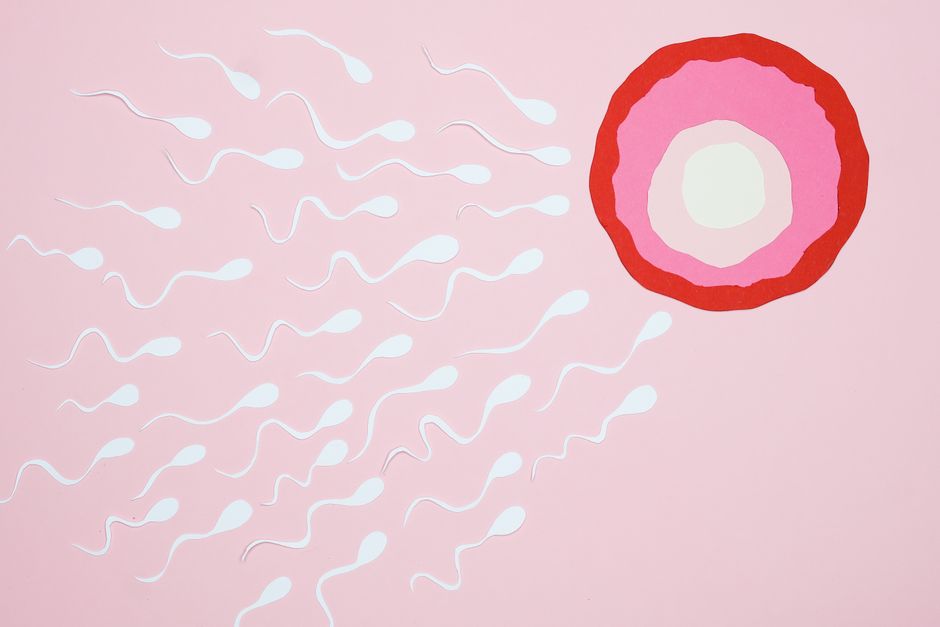
The average adult male produces between 70 and 150 million sperm cells every 24 hours. That number is not fixed. It shifts based on hormones, genetics, age, temperature, and recent ejaculation. Sperm production, known as spermatogenesis, is a continuous biological process that runs around the clock in the testes. Understanding the daily output matters for anyone curious about fertility, trying to conceive, or simply wanting to know how their body works.
What Happens Inside The Testes Every Day
Sperm are made in the seminiferous tubules, which are tightly coiled tubes inside each testicle. If you stretched out all the tubules from one testicle, they would measure roughly 300 to 600 meters. That massive surface area is where the daily work happens.
The process starts with spermatogonia, which are the stem cells of sperm production. These cells divide constantly. One division produces another stem cell to keep the supply going, while the other becomes a primary spermatocyte. Over the next several weeks, that cell goes through two rounds of division to become four spermatids. Each spermatid then matures into a single sperm cell with a head, midpiece, and tail.
One full cycle from stem cell to mature sperm takes about 64 to 74 days in humans. That means the sperm you ejaculate today began developing roughly two months ago. The daily output of 70 to 150 million cells represents the tail end of a pipeline that has been running for weeks.
Why Daily Sperm Production Is Not A Fixed Number
Several factors push daily production up or down. Hormones are the main driver. Luteinizing hormone signals the testes to produce testosterone, and follicle-stimulating hormone directly stimulates the Sertoli cells that nourish developing sperm. When those hormone levels fluctuate, production follows.
Age plays a major role. Sperm production peaks in the late teens and twenties. After age 40, daily output gradually declines. The decline is slow and highly individual. Some men in their sixties still produce healthy numbers, while others see a sharper drop. The quality of sperm, including motility and DNA integrity, also declines with age even when count remains reasonable.
Temperature matters more than most people realize. The testes hang outside the body for a reason. They need to stay about 2 to 4 degrees Celsius cooler than core body temperature. Regular use of saunas, hot tubs, or wearing tight underwear can temporarily reduce output. The effect reverses once the heat source is removed.
Recent ejaculation is the most immediate variable. If you ejaculate today, your body has not yet replaced the full store. Daily production continues, but the concentration in each ejaculate will be lower until the reserves rebuild. Complete recovery of sperm count after ejaculation typically takes 2 to 3 days, though the exact timing varies by individual.
How Sperm Count Is Measured And What Numbers Mean
Doctors do not measure daily production directly. Instead, they measure sperm concentration in a semen sample. A normal semen analysis shows at least 15 million sperm per milliliter of semen, according to World Health Organization reference values. The total ejaculate typically contains 1.5 to 5 milliliters of semen, which means a single ejaculation can contain anywhere from 20 million to over 200 million sperm.
It is important to understand that daily production and ejaculate count are not the same thing. The testicles produce millions of sperm every day, but the body stores them in the epididymis, a coiled tube behind each testicle. Sperm mature there for several days before they are ready to be ejaculated. The number in any given ejaculate reflects stored supply, not just that day’s production.
Clinical guidelines define low sperm count as fewer than 15 million sperm per milliliter. This condition is called oligospermia. A complete absence of sperm in the ejaculate is called azoospermia. These diagnoses are based on ejaculate analysis, not on estimated daily production rates.





Lifestyle Factors That Genuinely Affect Production
Some lifestyle choices have solid evidence behind them. Smoking is one. Research consistently shows that men who smoke have lower sperm counts and poorer sperm motility than non-smokers. The effect appears to be dose-dependent, meaning heavier smokers see worse results.
Heavy alcohol use also reduces sperm production. Moderate drinking shows less clear effects, and the evidence is mixed. What is clear is that chronic heavy drinking lowers testosterone and disrupts the hormonal signals needed for spermatogenesis.
Body weight matters. Obesity is associated with lower sperm counts and altered hormone levels. Fat tissue converts testosterone to estrogen, which can suppress the signals that drive sperm production. Weight loss in obese men has been shown to improve sperm parameters in some studies.
Sleep is an underappreciated factor. Testosterone is largely produced during deep sleep. Men who consistently get fewer than 6 hours of sleep per night tend to have lower testosterone levels, which indirectly reduces sperm production.
Stress deserves mention because it has a direct hormonal pathway. Cortisol, the primary stress hormone, suppresses gonadotropin-releasing hormone, which starts the entire reproductive cascade. Chronic stress can meaningfully reduce daily sperm output.
Supplements And Diet: What The Evidence Actually Shows
The supplement market for male fertility is enormous, and most of it outpaces the science. No supplement has been proven to increase sperm production in healthy men with normal counts. That is the honest position based on current evidence.
Some nutrients show promise for men with confirmed deficiencies or low counts. Zinc is involved in sperm formation, and deficiency is linked to low testosterone. Selenium is a component of sperm structure. Coenzyme Q10 has been studied for its role in sperm energy production. Folate and vitamin C have antioxidant properties that may protect sperm from oxidative damage.
However, the clinical trials on these supplements show modest and inconsistent results. Some studies report improvements in count or motility, while others find no benefit. No large, well-controlled trial has demonstrated that any supplement reliably boosts sperm production in men who are not deficient. If you have concerns about your sperm count, a blood test to check for deficiencies is more useful than buying supplements speculatively.
Dietary patterns show stronger evidence than individual supplements. Diets rich in fruits, vegetables, whole grains, fish, and unsaturated fats are associated with better sperm parameters in observational studies. The Mediterranean diet has the most consistent positive association. Processed meats, trans fats, and high sugar intake are associated with poorer sperm quality.
Medical Conditions That Reduce Sperm Production
Varicocele is the most common correctable cause of low sperm count. This condition involves enlarged veins in the scrotum that raise testicular temperature and impair blood flow. It affects roughly 15 percent of all men and up to 40 percent of men evaluated for infertility. Surgical repair improves sperm parameters in many cases, though not all.
Infections can damage sperm production. Mumps orchitis, which is inflammation of the testicles from the mumps virus, can permanently reduce output if it occurs after puberty. Sexually transmitted infections like chlamydia and gonorrhea can cause epididymitis, which blocks the passage of sperm even when production is normal.
Hormonal disorders are less common but important to rule out. Low testosterone from any cause reduces sperm production. Thyroid disorders, both overactive and underactive, can disrupt spermatogenesis. Prolactinomas, which are benign pituitary tumors that secrete prolactin, suppress the hormones needed for sperm production.
Certain medications have well-documented effects on sperm production. Anabolic steroids shut down the brain’s signals to the testes and can cause prolonged or permanent infertility. Some blood pressure medications, antidepressants, and chemotherapy drugs also impair production. If you take any of these and are planning a pregnancy, discuss your options with a doctor before stopping any prescribed medication.
How Long It Takes To See Improvement
Because one full cycle of sperm production takes about 74 days, any intervention that improves sperm output will not show results immediately. Most reproductive specialists recommend waiting at least 3 months after making a lifestyle change before repeating a semen analysis. That timeline allows a complete cycle of new sperm to mature.
If you are trying to conceive, the practical implication is that today’s habits affect the sperm that will be ready in about 10 weeks. Quitting smoking, reducing alcohol, improving sleep, and losing weight now will not help this week’s ejaculate. They will help the sperm that mature two to three months from now.
Frequently Asked Questions
How many sperm does a man produce in one day?
The average adult male produces between 70 and 150 million sperm cells every 24 hours. This number varies based on age, hormone levels, temperature, and overall health.
Does ejaculating daily lower sperm count?
Ejaculating daily lowers the concentration of sperm in each ejaculate because the body has not fully replenished its stored supply. Daily production continues at the same rate, but it takes about 2 to 3 days for sperm count per ejaculate to return to baseline.
How long does it take for sperm to regenerate?
One full cycle of sperm production takes about 64 to 74 days from stem cell to mature sperm. Sperm count in the ejaculate typically recovers within 2 to 3 days after ejaculation, but the complete maturation of new sperm takes roughly 10 weeks.
What causes low sperm production?
Low sperm production can be caused by varicocele, hormonal disorders, infections, certain medications, smoking, heavy alcohol use, obesity, and chronic stress. Age also plays a role, with production gradually declining after age 40.
