
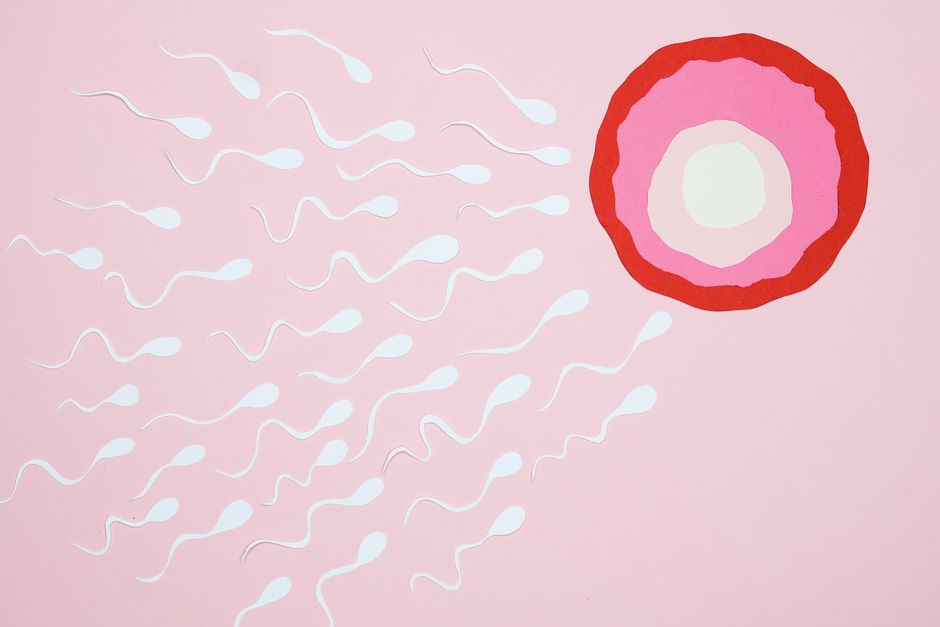
Pi sperm donation is a fertility treatment option where a man provides a sperm sample specifically for use in intrauterine insemination (IUI) — a procedure sometimes called “PI” for short. It is one of several paths to parenthood for couples facing male factor infertility, single women, and same-sex female couples. This article explains what PI sperm donation involves, who might need it, and what the evidence says about success rates and risks.
What Is Pi Sperm Donation And Who Needs It?
PI sperm donation refers to the use of donor sperm in an intrauterine insemination cycle. The term “PI” is clinical shorthand for the insemination procedure itself. In a typical cycle, a doctor places washed and concentrated sperm directly into the uterus around the time of ovulation.
People need this option when they cannot conceive through intercourse or standard fertility treatments. This includes single women who want a child, lesbian couples, and heterosexual couples where the male partner has no viable sperm or carries a genetic condition he does not want to pass on. It is also used when a male partner has a low sperm count, poor motility, or abnormal sperm shape that has not responded to other treatments.
How Does PI Sperm Donation Work?
The process starts with selecting a donor from a sperm bank or using sperm from a known donor. Known donors are usually friends or family members who agree to provide samples. Anonymous donors are selected through a sperm bank, where their medical history, genetic screening, and physical characteristics are documented.
Before the insemination cycle begins, the recipient takes medication to stimulate ovulation or tracks her natural cycle. The timing matters because IUI must happen close to ovulation for the best chance of success. A doctor monitors follicle development with ultrasound and sometimes blood tests to pinpoint the optimal day.
On the day of insemination, the frozen sperm sample is thawed and washed. Washing removes seminal fluid and concentrates the sperm. The doctor then passes a thin catheter through the cervix and deposits the sperm directly into the uterus. The procedure itself takes only a few minutes and does not require anesthesia.
Who Can Be a Sperm Donor?
Sperm banks screen donors carefully. Most require men to be between 18 and 40 years old, though exact age limits vary by bank. Donors undergo physical exams, semen analysis, and extensive genetic testing for conditions like cystic fibrosis, sickle cell disease, and Tay-Sachs disease.
Donors are also screened for infectious diseases including HIV, hepatitis B and C, and sexually transmitted infections. Sperm is quarantined for a minimum of six months in many countries, then the donor is retested before the sample is released for use. This quarantine period exists because some infections take time to appear in blood tests.
Family medical history is reviewed for inherited conditions. Some banks reject donors with a family history of certain cancers, heart disease, or mental illness. Most banks also limit how many families can use a single donor to reduce the risk of half-siblings unknowingly meeting and forming relationships later in life.





What Are the Success Rates for PI Sperm Donation?
Success rates vary widely depending on the woman’s age, the quality of the sperm sample, and whether she is using fertility medication. Research consistently shows that IUI with donor sperm has a higher success rate per cycle than IUI with a partner’s sperm when male factor infertility is the issue. This is because donor sperm is typically from young, fertile men with excellent semen parameters.
For women under 35, the live birth rate per IUI cycle with donor sperm is generally reported between 10 and 20 percent. The rate declines with maternal age, dropping to roughly 5 to 10 percent per cycle for women over 40. Women over 40 are often advised to consider IVF with donor sperm instead, because IUI success rates are low and the delay of multiple failed cycles can cost valuable time.
Most fertility clinics recommend trying three to six cycles of IUI before moving on to more advanced treatment. If no pregnancy occurs after six well-timed cycles, the likelihood of success with additional IUI cycles drops significantly. At that point, IVF with donor sperm or intrafallopian transfer may offer better odds.
What Are the Risks and Considerations?
PI sperm donation carries fewer risks than IVF, but it is not risk-free. The main risk for the recipient is ovarian hyperstimulation syndrome if she uses injectable fertility medications. This condition causes the ovaries to swell and can lead to abdominal pain, nausea, and in severe cases, fluid accumulation in the abdomen and chest. Oral medications like clomiphene citrate carry a much lower risk of this complication.
Multiple pregnancy is another concern. When fertility drugs are used, the chance of conceiving twins or triplets increases. Multiple pregnancies carry higher risks of premature birth, low birth weight, and complications for both mother and babies. Many clinics now use milder stimulation protocols to reduce this risk.
The procedure itself has a small risk of infection or uterine cramping. Some women experience mild spotting after the insemination. Serious complications are rare when the procedure is performed by an experienced clinician.
There is also an emotional consideration. Using donor sperm means the child will not be genetically related to one parent. Many families handle this openly, and research on donor-conceived children suggests that telling children about their origins early is generally better than keeping it secret. Some countries have laws about donor anonymity, and in places where donors are identifiable, children can request information about their biological father when they turn 18.
How Much Does PI Sperm Donation Cost?
The cost varies significantly by clinic and geographic location. A single IUI cycle with donor sperm typically costs between $1,000 and $4,000 in the United States. This figure includes the sperm sample, which usually costs $500 to $1,000 per vial, plus the monitoring, medications, and the insemination procedure itself.
Health insurance coverage for donor sperm IUI is inconsistent. Some states mandate infertility coverage, but many plans exclude donor sperm or limit the number of IUI cycles covered. It is worth checking your specific policy before starting treatment. Some clinics offer package pricing for multiple cycles, which can reduce the per-cycle cost slightly.
Frozen donor sperm is sold in vials, and most clinics recommend purchasing more than one vial upfront. This is because a single vial may not be enough if the first cycle fails and you want to use the same donor for a future sibling. Sperm banks cannot guarantee that a specific donor’s vials will remain available indefinitely.
What Are the Alternatives to PI Sperm Donation?
IVF with donor sperm is the main alternative. In IVF, eggs are retrieved from the woman, fertilized in a laboratory with donor sperm, and the resulting embryo is transferred to the uterus. IVF success rates are higher per cycle than IUI, but the procedure is more invasive, more expensive, and carries additional risks from the egg retrieval process.
For couples where the male partner has some sperm but it is not adequate for IUI, intracytoplasmic sperm injection (ICSI) during IVF may be an option. ICSI involves injecting a single sperm directly into an egg. This technique was developed for severe male factor infertility and can achieve fertilization even with very low sperm counts.
Adoption and fostering are non-medical alternatives that some people consider when donor sperm is not an acceptable option. Some couples also choose to remain childless rather than pursue third-party reproduction. These are deeply personal decisions with no universally correct answer.
Understanding the Legal Aspects
Legal considerations around sperm donation vary by state and country. In the United States, the law treats sperm donation differently depending on whether it goes through a sperm bank or involves a known donor. When a married woman uses sperm from a licensed sperm bank, the husband is typically presumed to be the legal father. The donor generally has no parental rights or responsibilities.
Known donor arrangements require more careful legal planning. Without a written agreement, a known donor could theoretically seek parental rights in some jurisdictions. Many family law attorneys recommend that known donors and recipients sign contracts outlining their intentions before any insemination occurs. These contracts are not legally binding in every state, but they document the parties’ understanding and can be persuasive in court.
If you are considering a known donor, consult an attorney who specializes in reproductive law in your state. The legal landscape is complex, and the consequences of getting it wrong can affect parental rights for years.
Frequently Asked Questions
How many IUI cycles with donor sperm should I try before moving to IVF?
Most clinics recommend three to six cycles of IUI before considering IVF. If no pregnancy occurs after six well-timed cycles, the chance of success with additional IUI cycles drops significantly.
Is there an age limit for using donor sperm with IUI?
There is no strict medical age limit, but success rates decline with maternal age. Many clinics advise women over 40 to consider IVF with donor sperm because IUI success rates per cycle are low and time matters.
Can I choose the same sperm donor for a second child?
Yes, if you purchase additional vials from the same donor before the supply runs out. Sperm banks cannot guarantee that a specific donor’s vials will remain available, so many families buy extra vials upfront for future siblings.
Does using donor sperm affect the legal rights of the non-biological parent?
In most states, when a married woman uses sperm from a licensed bank, the husband is presumed to be the legal father. For unmarried couples or known donor arrangements, legal protections vary by state and may require additional steps like second-parent adoption.
