
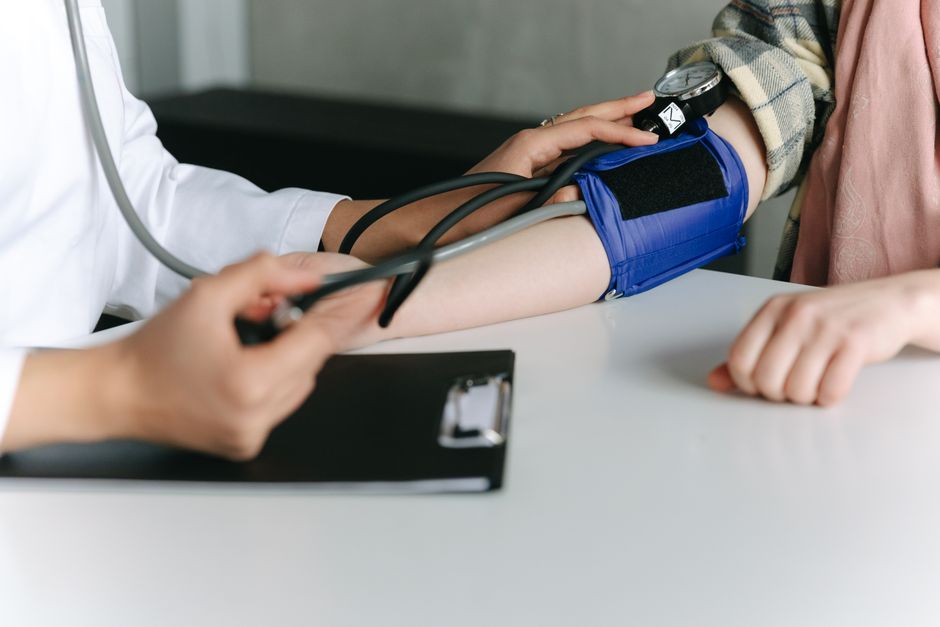
A blood pressure reading of 97/60 is not a diagnosis on its own. It is a low-normal number, and whether it matters depends almost entirely on how you feel and what your usual readings look like. For many healthy adults, 97/60 is simply normal. For others, it can signal that something has changed.
The top number, 97, is called systolic pressure. It measures the force of blood against your artery walls when your heart contracts. The bottom number, 60, is diastolic pressure, measured between beats when your heart relaxes and refills. Both numbers sit at the lower end of the normal range.
What Do the Numbers 97 and 60 Actually Mean?
Standard guidelines define normal blood pressure as below 120/80 mmHg. The lower end of normal is less clearly defined, but readings around 90/60 are commonly cited as the floor for what is considered acceptable in adults without symptoms.
At 97/60, you are above that floor. Your heart is pumping effectively, and your arteries are maintaining adequate pressure between beats. This is a reading that many healthy people — particularly younger adults, people who exercise regularly, and those with naturally lower body weight — see on a routine basis.
Blood pressure is not a fixed number. It shifts throughout the day. It drops when you sleep, rises when you exercise, and changes with stress, hydration, and even your posture. A single reading of 97/60 is a snapshot, not a verdict.
Is 97/60 A Good Blood Pressure Or Cause For Concern?
For most people, 97/60 is a good blood pressure. Research consistently shows that lower blood pressure within the normal range is associated with better cardiovascular outcomes than higher readings. People who naturally run low tend to have less strain on their heart and blood vessels over time.
The concern arises when low blood pressure causes symptoms. Doctors call this hypotension when it produces problems — dizziness, fainting, blurred vision, confusion, or fatigue that interferes with daily life. The number itself matters less than what it is doing to you.
A useful distinction: asymptomatic low blood pressure is generally not treated. Symptomatic low blood pressure is evaluated and often managed. If 97/60 is your normal and you feel fine, there is typically nothing to fix.
When Should You Worry About a Reading Like 97/60?
You should pay attention if this reading is new for you and comes with symptoms. A sudden drop from your usual blood pressure — say from 130/85 down to 97/60 — deserves a conversation with a doctor, especially if you feel unwell.
Warning signs that warrant medical attention include:
- Fainting or near-fainting
- Dizziness when standing up from sitting or lying down
- Blurred or tunnel vision
- Confusion or difficulty concentrating
- Chest pain or shortness of breath
- Cold, clammy, or pale skin
These symptoms suggest your brain and organs may not be getting enough blood flow. That is a clinical problem regardless of the exact number on the monitor.
One detail worth knowing: how you measure matters. A reading taken right after standing up, after a meal, or while dehydrated will often run lower than your true resting pressure. Proper technique — sitting quietly for five minutes, feet flat, arm supported at heart level — gives a more reliable number.
What Causes Low Blood Pressure?
Low blood pressure has many possible causes, and the underlying reason matters more than the reading itself. Some causes are harmless. Others need treatment.
Common causes include:
- Dehydration — less blood volume means lower pressure
- Medications — diuretics, some antidepressants, and blood pressure drugs can lower readings
- Prolonged bed rest — deconditioning affects circulation
- Pregnancy — blood vessels dilate, and pressure often drops
- Heart conditions — problems with heart rate or valve function
- Endocrine disorders — thyroid issues, adrenal insufficiency, and low blood sugar
- Severe infection or allergic reaction — these cause dangerous drops
- Blood loss — internal or external bleeding reduces volume
Some people simply have low blood pressure as their baseline. It runs in families. It is more common in people who are physically fit, because a strong heart pumps more blood with each beat, requiring less pressure to circulate it.
A less obvious cause is postprandial hypotension — a drop in blood pressure after eating, when blood rushes to the digestive tract. It is more common in older adults and can cause dizziness or falls after meals.
How Is Low Blood Pressure Evaluated?
Doctors evaluate low blood pressure by looking at the pattern, not a single reading. They will often ask you to check your pressure at home over several days, at different times, and in different positions.
A common test is measuring blood pressure while lying down, then again after standing for one to three minutes. A significant drop on standing points to orthostatic hypotension, which has its own causes and treatments.
Your doctor may also review your medications, check for dehydration, and run blood tests to rule out thyroid problems, anemia, or adrenal issues. In some cases, an electrocardiogram or heart monitoring is used to check heart rhythm.
If you have no symptoms and your readings are consistently around 97/60, extensive testing is usually not necessary. The evaluation is driven by symptoms and context.
Does Low Blood Pressure Need Treatment?
Low blood pressure without symptoms generally does not require treatment. The goal is not to push your numbers up to a specific target. The goal is to make sure your organs are getting enough blood.
When treatment is needed, it usually starts with simple measures. Drinking more water can help if you are dehydrated. Adding a bit more salt to your diet is sometimes recommended — but only under medical guidance, because excess sodium carries its own risks, particularly for people with heart or kidney conditions.
Other approaches some clinicians recommend include:
- Wearing compression stockings to improve circulation in the legs
- Rising slowly from sitting or lying positions
- Eating smaller, more frequent meals if postprandial drops are an issue
- Avoiding prolonged standing
- Adjusting medications that contribute to low pressure
In more serious cases, medications can be prescribed to raise blood pressure. These are used when symptoms are significant and other measures have not helped. This is not a common scenario for someone with an isolated reading of 97/60.
It is worth being clear: there is no evidence that a healthy person with asymptomatic 97/60 needs any intervention at all. Treating a number rather than a person can cause more harm than good.
How Does 97/60 Compare to Other Readings?
Seeing your reading in context helps. The table below shows standard blood pressure categories for adults.
| Category | Systolic (mmHg) | Diastolic (mmHg) |
|---|---|---|
| Low (hypotension) | Below 90 | Below 60 |
| Normal | 90–119 | 60–79 |
| Elevated | 120–129 | Below 80 |
| High (Stage 1) | 130–139 | 80–89 |
| High (Stage 2) | 140 or higher | 90 or higher |
At 97/60, you fall within the normal range on both numbers. Your systolic is comfortably above the low threshold, and your diastolic sits exactly at the lower boundary of normal.
Some people with readings in this range feel perfectly well. Others feel lightheaded, especially when standing quickly. The same number can mean different things for different people.
What Should You Do If You See 97/60?
If you feel fine, there is usually nothing to do. Keep monitoring your blood pressure periodically, note any symptoms, and mention the reading at your next routine checkup.
If you feel dizzy, faint, or unusually tired, take it seriously. Drink water, sit or lie down, and contact your doctor if symptoms persist or recur. Do not try to self-treat with salt tablets or stimulants.
Track your readings over time. A pattern tells a better story than a single number. Bring your log to your doctor — it helps them see whether your pressure is stable or trending in a direction that needs attention.
Frequently Asked Questions
Is 97/60 blood pressure too low?
No, 97/60 is within the normal range for adults. It is only considered too low if it causes symptoms like dizziness, fainting, or fatigue.
What if my blood pressure is usually 120/80 and now it is 97/60?
A sudden drop from your normal reading can be a sign of dehydration, medication effects, or another issue. If you feel unwell or the change persists, contact your doctor.
Can 97/60 cause dizziness?
It can in some people, especially when standing up quickly. If dizziness happens often or leads to fainting, it should be evaluated by a doctor.
Should I eat more salt if my blood pressure is 97/60?
Only if a doctor recommends it. Adding salt without medical guidance can raise blood pressure too much and may harm people with heart or kidney conditions.
