
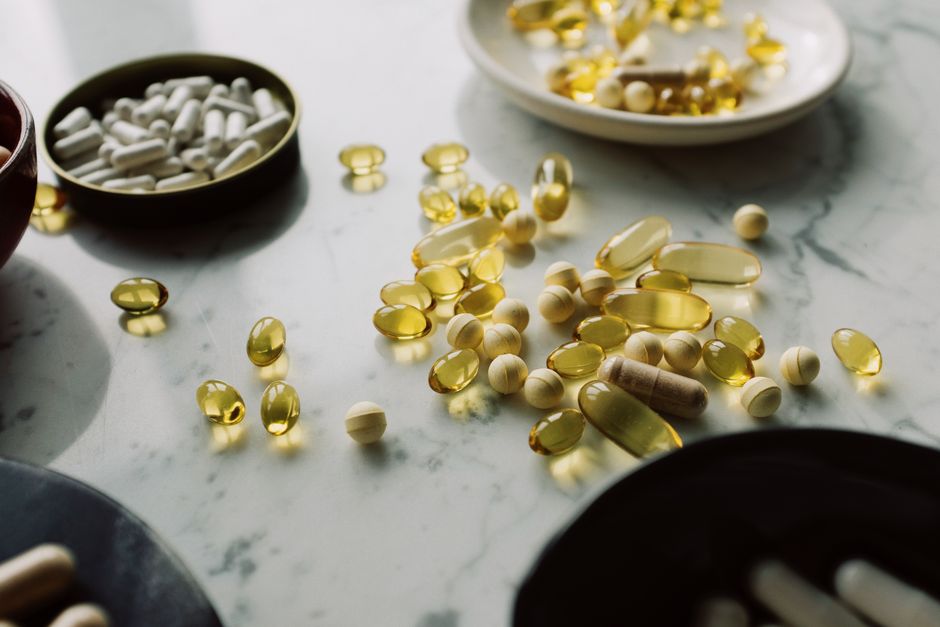
Linoleic acid is a fat your skin needs to build a healthy outer barrier, and it is the most abundant fatty acid in the outer layer of healthy skin. In acne-prone skin, levels of linoleic acid in that outer layer tend to be lower than in clear skin. That single observation has fueled years of marketing claims, so it is worth separating what is actually established from what is still guesswork.
What Is Linoleic Acid?
Linoleic acid is a polyunsaturated omega-6 fatty acid. It is one of two fatty acids the human body cannot make on its own, which is why it is called an essential fatty acid. The other is alpha-linolenic acid, an omega-3.
Because the body cannot produce it, linoleic acid has to come from food or from something applied to the skin. Common dietary sources include vegetable oils such as sunflower, safflower, corn, and soybean oil, along with nuts, seeds, and eggs. In the skin, linoleic acid is a structural building block. It gets incorporated into ceramides, which are waxy molecules that help hold the skin barrier together and limit water loss.
One clarification worth making: linoleic acid is not the same as conjugated linoleic acid, or CLA, which is a related but distinct group of fats found mainly in dairy and meat. The two are often confused in supplement marketing. They are not interchangeable.
What Does Linoleic Acid Do For Skin And Acne?
In skin, linoleic acid does two main jobs. It helps maintain the barrier that keeps water in and irritants out, and it appears to influence how the hair follicle behaves. Both matter for acne, but the evidence is stronger for the barrier role than for the acne role.
The barrier function is well established. When the skin’s outer layer lacks linoleic acid, ceramide production suffers and the barrier becomes leaky. A leaky barrier loses water, feels tight and rough, and lets irritants and bacteria through more easily. This is the same basic problem seen in many dry skin conditions.
The acne connection is more interesting and less settled. Several studies have found that people with acne have lower linoleic acid content in the sebum, or skin oil, of their follicles compared with people who do not have acne. Sebum that is low in linoleic acid tends to be thicker and more likely to clog pores. The leading theory is that this thicker sebum plugs the follicle, setting the stage for the inflammation we call a pimple.
Here is where honesty matters. Finding lower linoleic acid in acne-prone skin does not prove that low linoleic acid causes acne. It could be a consequence of acne rather than a cause. It could be a marker of something else entirely. The association is real and repeated across studies, but causation has not been established. No large human trial has shown that raising linoleic acid levels in the skin clears acne.
Does Low Linoleic Acid Cause Acne?
The honest answer is that we do not know. The evidence shows a consistent association between lower linoleic acid in sebum and the presence of acne. It does not show that low linoleic acid comes first and causes the acne.
Acne is a condition with several drivers working together: excess sebum production, abnormal shedding of skin cells inside the follicle, the bacterium Cutibacterium acnes, and inflammation. Linoleic acid may interact with one or more of these, but it is not the whole story. Treating acne as a single-nutrient problem oversimplifies a complex condition.
Some researchers have proposed that the modern Western diet, which is high in omega-6 fats relative to omega-3 fats, shifts the balance of fats available to the skin in a way that promotes inflammation. That is a plausible hypothesis. It is not a proven cause of acne. Diet does appear to influence acne in some people, but the specific role of linoleic acid within that picture remains unclear.


Can Linoleic Acid Help Treat Acne?
Topical linoleic acid is where most of the practical interest lies, and the evidence is limited. Some small studies have looked at applying linoleic acid or linoleic-acid-rich oils to the skin. Results have been mixed, and the studies tend to be small and short.
Several skincare ingredients that are marketed for acne happen to contain linoleic acid. These include certain plant oils and some forms of vitamin F, which is a marketing term for a blend of essential fatty acids rather than an actual vitamin. The presence of linoleic acid in a product does not automatically make that product an acne treatment.
There is also a practical catch. Many oils rich in linoleic acid, such as sunflower and safflower oil, are not inherently comedogenic, meaning they are less likely to clog pores on their own. But individual reactions vary, and applying any oil to acne-prone skin can worsen breakouts in some people. If a product seems to be helping, that is useful information. If it seems to be making things worse, stop using it.
No clinical guidelines currently recommend topical linoleic acid as a stand-alone acne treatment. Established acne treatments include topical retinoids, benzoyl peroxide, and certain antibiotics and hormonal therapies, depending on severity. Anyone with persistent or severe acne is better served by seeing a clinician than by experimenting with oils.
What About Taking Linoleic Acid Supplements?
Oral linoleic acid supplements are heavily marketed for skin, and the evidence does not support the claims. No large human trials have confirmed that taking linoleic acid by mouth improves acne.
There is a deeper issue with the premise. Linoleic acid is already abundant in the typical Western diet, largely because vegetable oils are everywhere in processed foods. Most people are not deficient in it. Adding more through a supplement is unlikely to correct a problem that probably is not a deficiency in the first place.
Some research has looked at omega-3 supplements for acne, with mixed results. That is a different fatty acid with a different set of studies. Do not assume findings for omega-3 apply to linoleic acid.
One more caution: high intakes of omega-6 fats relative to omega-3 fats have been studied for their relationship to inflammation, and the picture is complicated. Taking large doses of any single fatty acid without a clear reason is not something to do casually. If you are considering a supplement for a skin condition, that is a conversation to have with a clinician or dietitian.
How Do You Get Linoleic Acid From Food?
Getting linoleic acid from food is easy for most people. It is present in many common cooking oils and foods.
- Sunflower oil, safflower oil, corn oil, and soybean oil
- Nuts and seeds, including walnuts, sunflower seeds, and pine nuts
- Eggs and poultry
- Some whole grains
The typical American diet already contains more than enough linoleic acid to meet the body’s needs. The Institute of Medicine, now the National Academy of Medicine, established an adequate intake for linoleic acid, and most people exceed it without trying. This is why deficiency is rare in people eating a normal mixed diet.
If your goal is healthier skin, the more useful dietary question is probably not how to get more linoleic acid. It is whether your overall diet supports skin health in general. That means adequate protein, enough vitamin C and zinc, and plenty of water. None of these is a magic fix for acne, but all of them matter for basic skin function.
The Bottom Line On Linoleic Acid And Acne
Linoleic acid is genuinely important for skin. It helps build the barrier that keeps skin healthy, and low levels in sebum are consistently found in people with acne. That much is well supported.
What is not supported is the idea that adding linoleic acid, whether through diet, supplements, or skincare, reliably clears acne. The association is real. The treatment claim is not. If you have acne that bothers you, the evidence-based options are the ones a clinician can recommend, not the ones a label promises.
Frequently Asked Questions
Is linoleic acid good for acne?
It is unclear. People with acne tend to have lower linoleic acid in their skin oil, but no large trial has shown that raising it clears acne.
Does low linoleic acid cause acne?
That has not been established. The low levels seen in acne-prone skin may be a consequence of acne rather than a cause.
Should I take linoleic acid supplements for my skin?
No clinical evidence currently confirms that oral linoleic acid supplements improve acne. Most people already get plenty from food.
Can I apply linoleic acid oil directly to acne?
Some people do, but evidence is limited and oils can worsen breakouts in some skin. Established acne treatments are better supported.
