
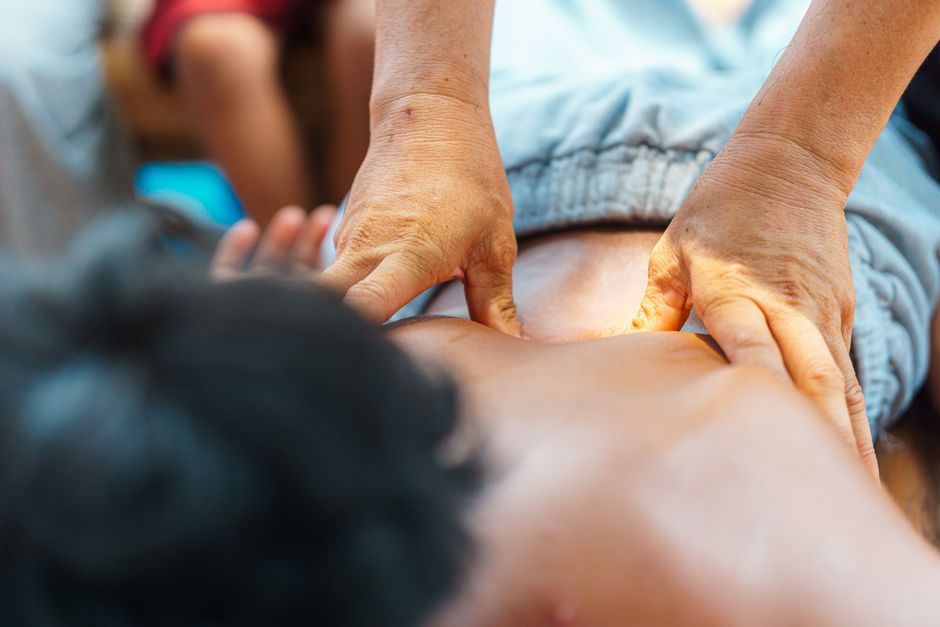
Back acne, often called “bacne,” can be frustrating. But clearer skin is possible with the right routine and a bit of patience. Start by washing your back daily with a gentle cleanser that contains salicylic acid or benzoyl peroxide. Wear loose, breathable fabrics. Shower soon after sweating. For stubborn breakouts, see a dermatologist for stronger prescription treatments. Consistency matters more than any single product.
What Causes Back Acne?
Back acne forms the same way facial acne does. Your hair follicles get clogged with oil (sebum) and dead skin cells. A bacteria called Cutibacterium acnes can then multiply inside the clogged pore, causing inflammation and pus. The back has many oil glands, which is why breakouts happen there so often.
Several things can make back acne worse. Tight clothing and backpack straps can trap sweat and rub against the skin, irritating follicles. Hormone changes, especially during puberty, menstrual cycles, or times of high stress, can increase oil production. Genetics also play a role — if your parents had acne, you are more likely to have it.
Some people find that heavy body lotions or sunscreens clog pores. And while diet is not a direct cause, some research suggests that high-glycemic foods (white bread, sugary snacks) and dairy may trigger acne in some individuals. However, the evidence is not strong enough to recommend a specific anti-acne diet for everyone.
How To Take Care Of Back Acne For Clearer Skin?
Cleansing is the foundation. Use a body wash with salicylic acid (2%) or benzoyl peroxide (2.5% to 10%) every time you shower. Leave it on for one or two minutes before rinsing. Do not scrub hard — that can irritate skin and make acne worse. Gently wash with your hands or a soft silicone brush.
Shower as soon as possible after exercise or heavy sweating. Sweat alone does not cause acne, but when it mixes with oil and dead skin cells on the surface, it can contribute to clogged pores. Changing out of sweaty clothes quickly reduces this risk.
Exfoliate the back once or twice a week. Salicylic acid is a beta hydroxy acid (BHA) that penetrates oil and exfoliates inside the follicle. Physical scrubs can be too harsh. Instead, use a leave-on BHA lotion or pad on your back after cleansing.
Choose non-comedogenic moisturizers if you use drying products. Even oily skin needs moisture. Look for oil-free, gel-based lotions labeled “non-comedogenic” or “oil-free.” Apply them after bathing while skin is still slightly damp.
Wash your sheets, pillowcases, and towels weekly. Bacteria, oil, and dead skin build up on fabrics. T-shirts and backpacks also need regular cleaning. If you sleep on your back, changing pillowcases more often may help.
Avoid picking or popping back acne. Picking causes inflammation, scarring, and can push bacteria deeper under the skin. You cannot see the area well, which makes it easy to damage skin without meaning to.
What Skincare Ingredients Work Best For Back Acne?
Several ingredients have solid research behind them. Benzoyl peroxide kills acne bacteria quickly and helps reduce inflammation. It is available over the counter in washes, gels, and creams. Start with a 2.5% or 5% concentration to minimize irritation. Higher strengths (10%) are not necessarily more effective and can cause more redness and dryness.
Salicylic acid (BHA) exfoliates inside the pore. It helps loosen dead skin cells and unclog follicles. For back acne, a 2% salicylic acid body wash or spray is common. Some people use pads or wipes for hard-to-reach areas.
Adapalene is a retinoid available over the counter at 0.1% strength (brand name Differin). It normalizes how skin cells shed and prevents clogs. It works well for back acne but can cause dryness and sun sensitivity in the first few weeks. Apply a thin layer to dry skin at night.
Niacinamide (vitamin B3) helps calm inflammation and may reduce oil production. Many moisturizers and serums contain it around 4% to 5%. Evidence is moderate — it is not a first-line treatment but can complement other products.
If over-the-counter products are not enough, a dermatologist can prescribe stronger options. These include topical antibiotics (such as clindamycin), oral antibiotics (like doxycycline or minocycline), and for severe cases, isotretinoin (formerly Accutane). Isotretinoin is very effective but has significant side effects and requires close medical monitoring.
Important: Oral antibiotics should not be used for long periods due to antibiotic resistance. They are usually prescribed for 3 to 4 months to bring severe acne under control, then the goal is to switch to maintenance therapy with topical products.



Can Lifestyle Changes Help With Back Acne?
Yes, certain habits can support clearer skin. Managing sweat is a key one. After any activity that makes you sweat, try to shower within 30 minutes. If you cannot shower right away, wipe your back with a gentle cleansing cloth or body wipe that contains salicylic acid.
Wearing loose-fitting, breathable clothing made of cotton or moisture-wicking fabric reduces friction and allows sweat to evaporate. Avoid tight synthetic tops during workouts. Change out of workout gear immediately afterward.
Stress management matters. Stress increases the hormone cortisol, which can stimulate oil glands to produce more sebum. While stress alone does not cause acne, it can make existing breakouts worse. Adequate sleep and regular exercise (followed by showering) help keep cortisol in check.
Diet is an area where the evidence is less clear. Some studies suggest that a low-glycemic diet (fewer high-sugar foods) may reduce acne severity in some people. Other research points to skim milk as a possible trigger. However, no diet has been proven to cure acne. If you notice a pattern between certain foods and breakouts, it is reasonable to reduce those foods and see what happens. But do not expect dramatic results from dietary changes alone.
Sun exposure is not a reliable treatment. While UV light can temporarily dry out pimples, it also damages skin and increases the risk of skin cancer. Tanning beds are even worse. The potential harm far outweighs any short-term improvement.
When Should You See A Dermatologist For Back Acne?
If you have tried over-the-counter treatments consistently for 8 to 12 weeks and see little to no improvement, it is reasonable to consult a dermatologist. The same applies if your back acne is painful, includes large cysts or nodules, or is leaving dark spots or scars.
You should also see a dermatologist if back acne is affecting your self-confidence or daily life. Acne is a medical condition, not a cosmetic flaw, and effective treatments are available. A dermatologist can prescribe stronger topicals, oral medications, or in-office procedures such as corticosteroid injections for painful cysts or chemical peels to improve skin texture.
If you have signs of infection — spreading redness, warmth, oozing, or fever — see a doctor promptly. This is rare with back acne but can happen if you pick at lesions or if a deep cyst becomes infected.
Frequently Asked Questions
Does back acne go away on its own?
Mild back acne may improve with age and consistent lifestyle habits, but many people need some form of treatment to see significant clearing. For moderate to severe cases, professional treatment is often necessary.
Can back acne be prevented?
You cannot prevent it entirely if you are prone to it, but showering after sweating, wearing loose clothing, and using a salicylic acid body wash can reduce the frequency and severity of breakouts.
Is it safe to pop back acne?
No. Popping any acne increases the risk of infection, scarring, and spreading bacteria. Because you cannot see back acne well, you are more likely to damage the skin without realizing it.
Does exercise cause back acne?
Exercise does not directly cause acne, but the combination of sweat, friction from clothing, and bacteria on the skin can contribute to breakouts if you do not shower soon after working out. Wearing moisture-wicking fabric and cleansing promptly helps prevent this.
