
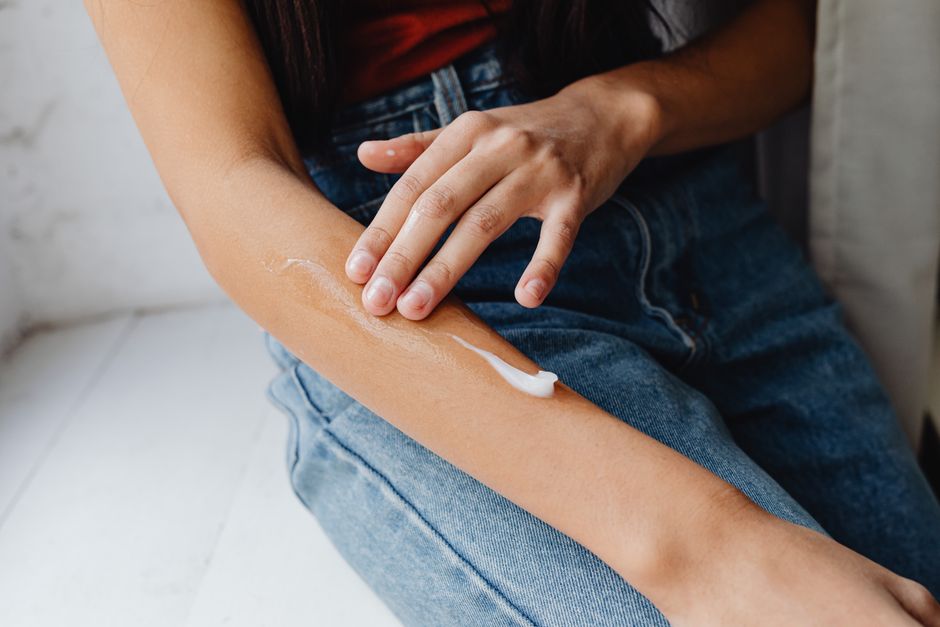
If you have acne-prone skin, the idea of putting a thick cream on your face might feel wrong. But CeraVe Moisturizing Cream is one of the most recommended moisturizers by dermatologists for exactly this skin type. The short answer is yes — it is generally good for acne-prone skin because it is non-comedogenic, meaning it will not clog pores. It also contains ceramides and niacinamide, which help repair the skin barrier without adding excess oil. Many people with acne find it hydrating enough without triggering breakouts.
What Makes CeraVe Moisturizing Cream Different From Other Moisturizers?
CeraVe Moisturizing Cream is not a typical face lotion. It is a rich cream that was originally designed for dry skin, but its ingredient list makes it suitable for many skin types, including acne-prone skin.
The formula relies on three key ingredients: ceramides, niacinamide, and hyaluronic acid. Ceramides are lipids that naturally occur in the skin barrier. When the barrier is damaged — which happens with acne and many acne treatments — ceramides help repair it. Niacinamide is a form of vitamin B3 that has anti-inflammatory properties. Some research published in the Journal of Clinical and Aesthetic Dermatology suggests niacinamide can help reduce acne lesions and improve skin texture. Hyaluronic acid attracts moisture to the skin without adding oil.
Another important feature is that CeraVe uses a patented delivery system called Multivesicular Emulsion (MVE). This technology releases moisturizing ingredients slowly over time. That means one application keeps your skin hydrated for hours without feeling greasy.
The cream is also free of fragrance and parabens. Fragrance is a common irritant for sensitive and acne-prone skin. By leaving it out, CeraVe reduces the chance of irritation that could make acne worse.
Is CeraVe Moisturizing Cream Non-Comedogenic?
Yes. The product is labeled non-comedogenic, which means it is formulated not to clog pores. This is not just a marketing claim. The company tests the formula on human skin to confirm it does not cause comedones — the technical term for clogged pores.
That said, “non-comedogenic” is not a guarantee for every person. The FDA does not regulate this term. Different brands use different testing methods. Some people may still find that a non-comedogenic product breaks them out. This is rare with CeraVe Moisturizing Cream, but it can happen.
If you are worried, patch test the cream on a small area of your jawline for a few days before applying it to your whole face. Most people with acne-prone skin tolerate it well, but individual skin chemistry varies.
Does CeraVe Moisturizing Cream Help With Acne Scars and Redness?
Indirectly, yes. The niacinamide in the cream can help reduce redness and inflammation. A 2015 study in the International Journal of Dermatology found that 4% niacinamide was as effective as 1% clindamycin gel for treating inflammatory acne. CeraVe Moisturizing Cream contains a lower concentration of niacinamide — around 2% based on typical formulations — but it still provides anti-inflammatory benefits.
For acne scars, the ceramides help repair the skin barrier. A healthy barrier heals faster and more evenly. This does not erase deep scars, but it can improve the overall texture and tone of your skin over time.
If you have post-inflammatory hyperpigmentation (dark spots left after a pimple), the cream alone is unlikely to fade them quickly. You would need a dedicated treatment like vitamin C or a retinoid for that. But as a daily moisturizer, it supports the healing process without interfering with other treatments.


Can You Use CeraVe Moisturizing Cream With Acne Medications?
Yes, and this is actually one of its biggest strengths. Many acne treatments — benzoyl peroxide, salicylic acid, retinoids like tretinoin and adapalene — dry out the skin. They work by killing bacteria or speeding up cell turnover, but they also strip the skin barrier. This can cause redness, peeling, and irritation.
Using a rich moisturizer like CeraVe Moisturizing Cream helps counteract that dryness. The American Academy of Dermatology recommends using a moisturizer with ceramides when you are on acne medication. The ceramides help restore the barrier that the medication breaks down.
Apply your acne treatment first, wait a few minutes for it to absorb, then apply the CeraVe cream. This layering method keeps the treatment effective while reducing irritation. Some people even mix a pea-sized amount of the cream with their treatment to make it less harsh.
One caution: if you are using a prescription retinoid like tretinoin, start with a small amount of moisturizer and increase gradually. Too much cream can dilute the retinoid and reduce its effectiveness. Your dermatologist can give you specific guidance on timing and amounts.
What Are the Downsides of CeraVe Moisturizing Cream for Acne-Prone Skin?
No product is perfect for everyone. The main downside of CeraVe Moisturizing Cream is its texture. It is thick. For people with very oily acne-prone skin, it can feel heavy or greasy, especially in humid weather. Some users report that it sits on top of the skin rather than absorbing fully.
The cream also contains cetearyl alcohol and cetyl alcohol. These are fatty alcohols that help create the thick texture. They are not the same as drying alcohols like denatured alcohol, which can irritate skin. Fatty alcohols are generally safe for acne-prone skin, but a small number of people find them comedogenic. If you know you react to fatty alcohols, this cream may not work for you.
Another issue is the packaging. The tub is not airless. Every time you dip your finger in, you introduce bacteria. For acne-prone skin, this is a real concern. To avoid contamination, use a clean spatula or buy the pump bottle version if available.
Finally, the cream does not contain any active acne-fighting ingredients. It is a moisturizer, not a treatment. If you are looking for a product that both hydrates and treats acne, you would need to pair this with a separate treatment or choose a different product that contains salicylic acid or benzoyl peroxide.
How Does CeraVe Moisturizing Cream Compare to Other Moisturizers for Acne?
To help you see the differences clearly, here is a comparison of CeraVe Moisturizing Cream with two other popular options for acne-prone skin.
| Product | Texture | Key Ingredients | Best For |
|---|---|---|---|
| CeraVe Moisturizing Cream | Thick, rich | Ceramides, niacinamide, hyaluronic acid | Dry or irritated acne-prone skin, especially with treatments |
| CeraVe PM Facial Moisturizing Lotion | Lightweight, gel-like | Ceramides, niacinamide | Oily or combination acne-prone skin, daytime use |
| Neutrogena Oil-Free Moisture for Combination Skin | Lightweight lotion | Glycerin, dimethicone | Oily acne-prone skin that wants minimal ingredients |
The main trade-off is texture versus hydration. CeraVe Moisturizing Cream gives you the most hydration and barrier repair, but it is heavier. If your skin is very oily, the PM lotion or Neutrogena option might feel better. If your skin is dry from acne treatments, the cream is the better choice.
Common Misconceptions About Moisturizing Acne-Prone Skin
Many people believe that if you have acne, you should avoid moisturizer. This is not true. When the skin is dry, it produces more oil to compensate. That extra oil can clog pores and make acne worse. Moisturizing actually helps regulate oil production.
Another myth is that thick creams always cause breakouts. This depends on the ingredients, not the thickness. A thick cream made with non-comedogenic ingredients like ceramides and niacinamide is safer for acne-prone skin than a lightweight gel that contains pore-clogging oils or silicones.
Some people also think that “oil-free” means better for acne. Oil-free products avoid oils like coconut oil or mineral oil, which can clog pores for some people. But oil-free does not automatically mean non-comedogenic. Some oil-free products contain other ingredients that can still cause breakouts. Always check the label for “non-comedogenic” rather than assuming oil-free is safe.
Finally, there is a belief that you should only moisturize at night. Your skin loses moisture throughout the day, especially if you use acne treatments. Moisturizing in the morning helps maintain the barrier and keeps your skin from overproducing oil. CeraVe Moisturizing Cream works well as a morning moisturizer if you apply a thin layer.
Frequently Asked Questions
Frequently Asked Questions
Can I use CeraVe Moisturizing Cream if I have oily acne-prone skin?
Yes, but use a very small amount. A pea-sized dab is enough for your whole face. If it feels heavy, try the CeraVe PM lotion instead.
Does CeraVe Moisturizing Cream expire?
Yes, it has a shelf life of about three years unopened. Once opened, use it within 12 months. Check the jar for a batch code if you are unsure.
Can I use CeraVe Moisturizing Cream under makeup?
Yes, but let it fully absorb for a few minutes first. It can pill under some foundations if applied too thickly. Use a thin layer and wait.
Is CeraVe Moisturizing Cream safe for sensitive skin with acne?
Yes, it is fragrance-free and tested for sensitive skin. It is one of the most commonly recommended moisturizers for sensitive acne-prone skin by dermatologists.
