
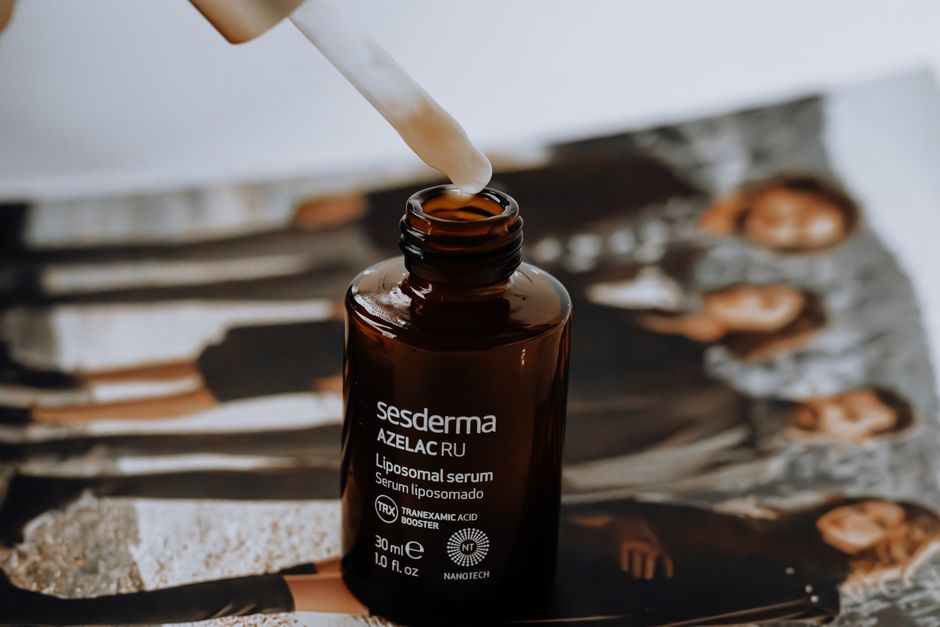
Hyaluronic acid is a popular skincare ingredient known for hydration. Despite questions about skin burning, the truth is that hyaluronic acid itself does not burn healthy skin. If you feel a burning or stinging sensation after applying a hyaluronic acid product, the cause is likely something else in the formula or how you are using it.
What Is Hyaluronic Acid and How Does It Work on Skin?
Hyaluronic acid is a humectant. That means it pulls water into the skin. It is a substance that your body naturally produces, especially in skin, joints, and eyes. In skincare, it helps plump and hydrate the skin by holding up to 1,000 times its weight in water.
Despite the word “acid,” it is not an exfoliating acid like glycolic acid or salicylic acid. It does not peel or damage the outer layer of skin. For most people, hyaluronic acid is very gentle and well-tolerated.
Can Hyaluronic Acid Cause a Burning Sensation?
Pure hyaluronic acid rarely causes a burning sensation. Research consistently shows it has a low risk of skin irritation. However, some people do report stinging after applying a product that contains hyaluronic acid.
True allergic reactions to hyaluronic acid are uncommon. When they do happen, they usually involve redness, itching, or swelling rather than a burning feeling. The more common reason for burning is not the hyaluronic acid itself but something else in the product or the condition of your skin when you apply it.
What Actually Causes the Burning Feeling?
Several factors can cause a burning or stinging sensation when you use a hyaluronic acid product:
- Compromised skin barrier. If your skin barrier is damaged due to over-exfoliation, sunburn, or a skin condition like eczema, even gentle ingredients can sting. In this case, the hyaluronic acid is not the cause—the barrier is.
- Other active ingredients. Many serums combine hyaluronic acid with vitamin C, retinoids, alpha hydroxy acids (AHAs), or beta hydroxy acids (BHAs). These ingredients can cause stinging, especially if you are new to them or if your skin is sensitive.
- Preservatives and fragrances. Some people react to common preservatives like phenoxyethanol or to added fragrances. These additives may cause a burning or tingling sensation.
- Molecular weight. Hyaluronic acid comes in different molecular sizes. Very low molecular weight hyaluronic acid may penetrate deeper and can trigger inflammation in some people, though this is less common.
- Application on dry skin. Hyaluronic acid works best when applied to damp skin. If you apply it to completely dry skin without enough water, it can pull moisture from the deeper layers, causing tightness or a slight prickling feeling. This is not a true burn but can be uncomfortable.





How to Use Hyaluronic Acid Safely to Avoid Irritation
You can reduce the chance of stinging or burning by following a few simple steps:
- Apply to damp skin. After cleansing, leave your skin slightly wet before applying hyaluronic acid. This gives it water to draw in.
- Layer with a moisturizer. Always follow with a moisturizer that contains occlusives like ceramides or petrolatum. This seals in the hydration and prevents water loss.
- Patch test first. Try a small amount on your jawline or behind your ear for a few days before using it on your whole face.
- Choose a simple formula. Look for products with few ingredients, especially if you have sensitive skin. Avoid added fragrances and essential oils.
- Do not mix with strong exfoliants. If you use retinoids or acids, apply them at a different time of day than your hyaluronic acid, or use a gentle formulation.
When to See a Doctor or Dermatologist
Persistent burning, redness, swelling, or blistering after using any skincare product is a sign that something is wrong. Stop using the product immediately.
If the burning does not go away after washing your face and applying a gentle moisturizer, or if you develop hives or difficulty breathing, seek medical attention. A dermatologist can help identify whether you have an allergy, a damaged skin barrier, or a reaction to another ingredient.
Can Hyaluronic Acid Burn Skin Whats Really Happening
To summarize: hyaluronic acid itself does not burn skin. The burning feeling is almost always caused by something else—an ingredient like an acid or preservative, a damaged skin barrier, or improper application. When your skin barrier is healthy and you use the product correctly, hyaluronic acid should feel soothing and hydrating, not painful.
If you experience burning, check the rest of your routine. Look for potential irritants. Consider whether you have been over-exfoliating or using too many active ingredients. In most cases, adjusting how you use the product solves the problem.
Frequently Asked Questions
Can hyaluronic acid burn your face?
Hyaluronic acid itself does not burn the face. A burning sensation usually comes from other ingredients in the product or a damaged skin barrier.
Why does my hyaluronic acid serum sting?
Stinging is often caused by other active ingredients like vitamin C or acids, or by preservatives and fragrances in the formula.
How do I stop hyaluronic acid from burning?
Apply the serum to damp skin and follow with a moisturizer to seal in hydration.
Is it safe to use hyaluronic acid if it burns?
Stop using it if you feel burning. Once the burning stops, try a different product or adjust your application method.
