
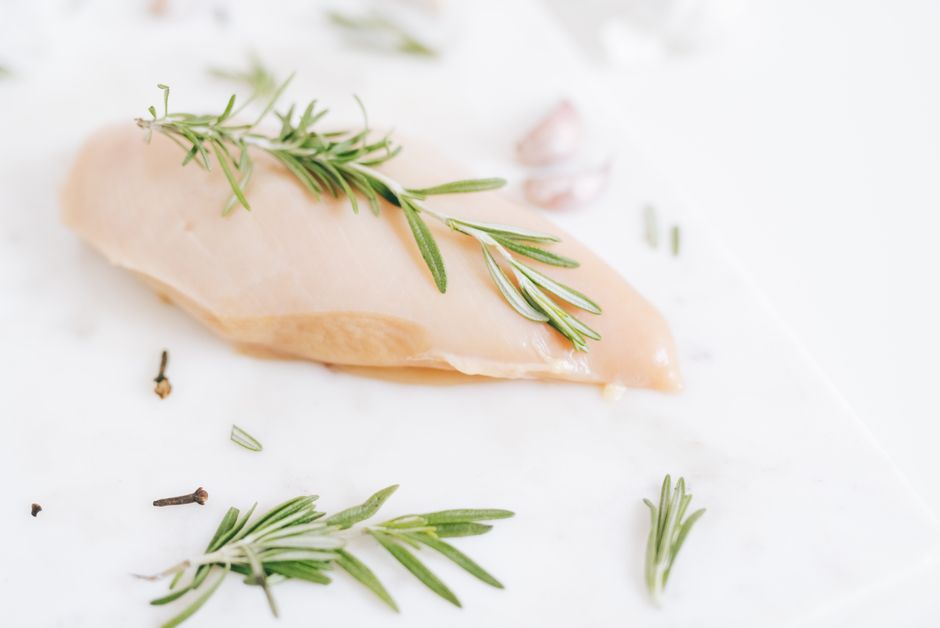
Lean protein is protein that is relatively low in saturated fat and calories per serving. It comes from animal and plant sources that provide a high amount of protein without the extra fat found in fattier cuts of meat or full-fat dairy. Common examples include skinless chicken breast, white fish, egg whites, legumes, and low-fat Greek yogurt.
What Does Lean Protein Mean Definition And Sources?
Lean protein means a food that delivers a meaningful amount of protein with less saturated fat and fewer calories than its higher-fat counterparts. The USDA considers a food “lean” if a 3.5-ounce cooked serving contains less than 10 grams of total fat, 4.5 grams or less of saturated fat, and fewer than 95 milligrams of cholesterol.
You do not need to memorize those numbers to make good choices. The practical definition is simple: a protein source where the fat content does not crowd out the protein. Chicken breast with the skin removed, for example, is lean. Chicken thigh with skin is not.
This matters because saturated fat raises LDL cholesterol in many people. Choosing lean protein more often supports heart health while still meeting your daily protein needs.
Why Protein Quality Matters More Than Quantity
Protein quality refers to how well your body can use the amino acids in a food. Animal proteins like eggs, fish, poultry, and dairy contain all nine essential amino acids in the right proportions. These are called complete proteins.
Most plant proteins are incomplete. They lack one or more essential amino acids. Soy and quinoa are the exceptions — both are complete plant proteins. For everyone else eating plant-based, combining different sources like rice and beans across the day covers the gaps.
Your body does not store amino acids the way it stores fat. It needs a regular supply. Spreading protein intake across meals — roughly 20 to 30 grams per meal for most adults — supports muscle maintenance better than eating one large serving at dinner.
Best Lean Animal Protein Sources
Animal sources are the most straightforward way to get complete protein with minimal fat. These are the options with the best protein-to-fat ratio.
- Skinless chicken breast: About 31 grams of protein per 3.5-ounce cooked serving with roughly 3.6 grams of fat.
- Turkey breast: Similar to chicken, with slightly less fat in most cases.
- White fish: Cod, haddock, and tilapia provide about 20 grams of protein per serving with under 1 gram of fat.
- Egg whites: Almost pure protein — about 3.6 grams per egg white with zero fat.
- Low-fat Greek yogurt: About 10 grams of protein per 100-gram serving with 0 to 2 grams of fat depending on the brand.
- Lean cuts of beef: Sirloin, tenderloin, and 93% lean ground beef fit the lean definition when trimmed of visible fat.
- Pork tenderloin: As lean as skinless chicken breast when prepared without added fat.
Shellfish like shrimp and scallops are also excellent options. Shrimp provides about 20 grams of protein per 3.5-ounce serving with only 1 gram of fat. The old concern about shrimp’s cholesterol content has been largely revised — dietary cholesterol has less impact on blood cholesterol than saturated fat for most people.


Best Lean Plant Protein Sources
Plant proteins come with fiber and phytonutrients that animal foods lack. The trade-off is that most are incomplete proteins. You can solve this by eating a variety of plant proteins throughout the day.
- Lentils: 9 grams of protein per half-cup cooked, plus 8 grams of fiber.
- Chickpeas: 7 grams of protein per half-cup cooked.
- Black beans: 8 grams of protein per half-cup cooked.
- Tofu: 10 grams of protein per half-cup firm tofu. It is made from soy, so it is a complete protein.
- Edamame: 9 grams of protein per half-cup shelled.
- Quinoa: The only grain that is a complete protein — 8 grams per cup cooked.
- Peas: 9 grams of protein per cup cooked.
The protein in plants is also digested slightly less efficiently than animal protein. This does not matter for most people eating a normal diet. It matters for athletes or older adults who need higher protein intake and may need to eat slightly more plant protein to match animal protein’s effect.
How to Identify Lean Protein at the Store
Reading labels is the most reliable way to know what you are buying. The Nutrition Facts panel lists total fat and saturated fat per serving. The USDA’s “lean” cutoff is less than 10 grams total fat and 4.5 grams or less saturated fat per 3.5-ounce cooked serving. “Extra lean” means less than 5 grams total fat and less than 2 grams saturated fat.
For ground meat, the percentage on the label tells you the lean-to-fat ratio. 93% lean ground beef has 7% fat by weight. 85% lean has 15% fat. That difference is significant — 93% lean has about half the fat of 85% lean.
For packaged foods like veggie burgers or protein bars, check the protein-to-calorie ratio. A food with 10 grams of protein and 100 calories has a good ratio. A food with 10 grams of protein and 300 calories is getting most of its calories from fat or carbohydrates, not protein.
One common mistake is assuming “plant-based” automatically means lean. Many plant-based meat alternatives are highly processed and contain as much saturated fat as beef — often from coconut oil. Check the label rather than assuming the product is healthy.
Does Lean Protein Help With Weight Management?
Protein is the most satiating macronutrient. It reduces hunger hormones and increases the hormones that signal fullness. This effect is well established in research. People who eat higher-protein diets often report feeling fuller and eating fewer total calories without trying hard.
Protein also has a higher thermic effect than carbohydrates or fat. Your body burns more calories digesting protein — roughly 20 to 30 percent of its calories — compared to about 5 to 10 percent for carbs and 0 to 3 percent for fat. This is a real but modest effect. It is not a license to eat unlimited protein.
Choosing lean protein specifically matters for weight management because it gives you the satiety benefit of protein without the extra calories from fat. A skinless chicken breast and a chicken thigh with skin have similar protein. The thigh has roughly double the calories from fat.
No single food causes weight loss. Weight management comes from total calorie balance. Lean protein helps because it makes that balance easier to maintain.
Common Myths About Lean Protein
Myth: You need animal protein to build muscle. This is false. Plant protein can support muscle growth when total protein intake is adequate. The amino acid profile of a varied plant-based diet is sufficient for most people. Athletes may need slightly more total protein on a plant-based diet to compensate for lower digestibility.
Myth: All fish is lean. Salmon, mackerel, and sardines are fatty fish. They are not lean by the USDA definition. This does not make them unhealthy — the fat in fatty fish is mostly omega-3s, which have cardiovascular benefits. But if your goal is strictly lean protein, white fish is the better choice.
Myth: Eggs are not lean. One whole large egg has about 6 grams of protein and 5 grams of fat. By the USDA definition, eggs are not lean. But the fat in eggs is mostly unsaturated, and the cholesterol in eggs has minimal impact on blood cholesterol for most people. Eggs are a healthy food — they just are not technically lean.
Myth: You must eat protein within 30 minutes of exercise. The “anabolic window” is real but wider than commonly claimed. Eating protein within a few hours after exercise supports muscle recovery. The total daily protein intake matters more than precise timing for most people.
Practical Ways to Add More Lean Protein
Start with breakfast. Many people eat most of their protein at dinner. Swapping cereal for Greek yogurt or eggs adds 15 to 20 grams of protein to your morning without much effort.
Use lean protein as the base of lunch. A salad with grilled chicken, tuna, or chickpeas is a simple template. Keep cooked grains like quinoa or brown rice ready in the fridge to add volume.
For snacks, choose protein over refined carbs. A hard-boiled egg, a string cheese, or a small handful of edamame beats crackers or pretzels for satiety.
When cooking, trim visible fat from meat before cooking. Remove poultry skin before or after cooking — the fat content difference is small either way. Use cooking methods that do not add fat: grilling, baking, roasting, or steaming rather than frying.
If you are older than 60, pay extra attention to protein. Muscle loss accelerates with age, and higher protein intake — around 1.2 grams per kilogram of body weight — helps slow that decline. The evidence for this is strong, though individual needs vary.
Frequently Asked Questions
What is the difference between lean and extra lean protein?
Extra lean protein has less than 5 grams of total fat and less than 2 grams of saturated fat per 3.5-ounce cooked serving, while lean protein has less than 10 grams of total fat and 4.5 grams or less of saturated fat.
Is peanut butter a lean protein?
No. Peanut butter has about 8 grams of protein and 16 grams of fat per 2-tablespoon serving, so it fails the lean definition on fat content alone.
Can you get enough protein from plants alone?
Yes, with planning. Eating a variety of plant proteins like legumes, soy, quinoa, and nuts across the day provides all essential amino acids for most healthy adults.
Is salmon considered lean protein?
No. Salmon is a fatty fish with about 13 grams of fat per 3.5-ounce serving, though most of that fat is beneficial omega-3s.
