
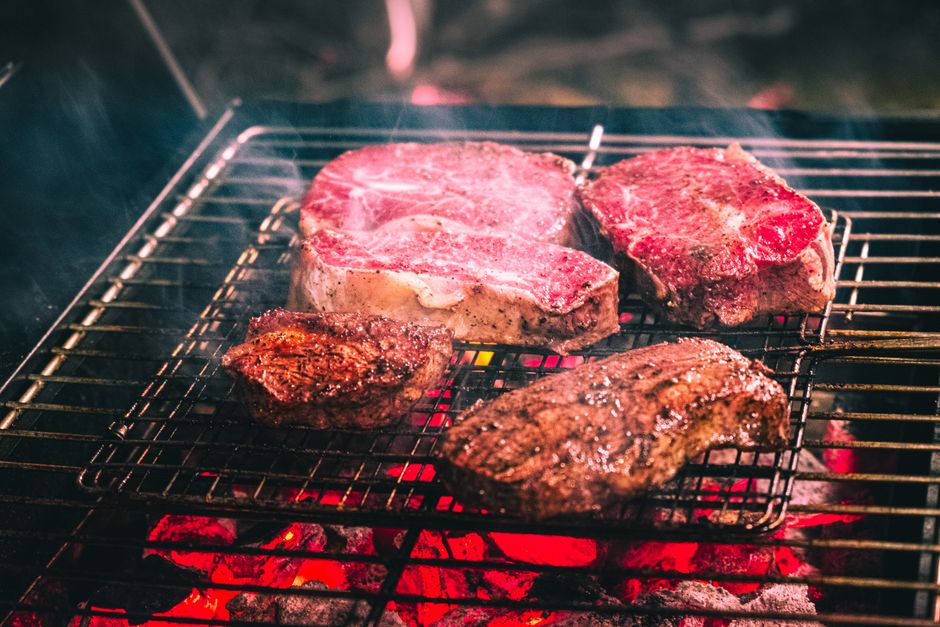
Steak is one of the most protein-dense foods you can eat. A typical 3-ounce serving of cooked steak provides roughly 21 to 26 grams of complete protein. That amount covers nearly half of the daily protein needs for an average adult. The exact number depends on the cut, how it is cooked, and whether you trim the fat. Lean cuts like sirloin and tenderloin offer the highest protein-to-fat ratio, making them the best choice for anyone tracking macros or trying to build muscle without excess calories.
How Much Protein Is In A Standard Steak Serving?
Portion size matters more than most people realize. A standard serving of meat is 3 ounces, which is about the size of a deck of cards or the palm of your hand. Restaurant steaks are often 8 to 12 ounces, which means you are eating three to four servings in one meal.
For a 3-ounce cooked portion, most cuts fall between 21 and 26 grams of protein. A 6-ounce steak delivers roughly 42 to 52 grams. An 8-ounce steak provides about 56 to 69 grams. These numbers apply to beef that is cooked with no added breading or heavy sauces.
The USDA nutrient database is the standard reference for these values. Cooking method changes weight but not protein content significantly. A steak that shrinks during cooking still contains the same total protein, just concentrated in a smaller piece of meat.
Which Steak Cuts Have The Most Protein Per Gram?
Leaner cuts consistently deliver more protein per gram of meat because they contain less fat. Fat contributes calories but no protein, so a fatty ribeye will have fewer grams of protein per ounce than a lean sirloin.
Here is how common cuts compare per 3-ounce cooked serving:
- Top sirloin: about 26 grams of protein, 5 grams of fat
- Tenderloin (filet mignon): about 25 grams of protein, 7 grams of fat
- Flank steak: about 24 grams of protein, 7 grams of fat
- Strip steak (NY strip): about 24 grams of protein, 8 grams of fat
- Ribeye: about 22 grams of protein, 12 grams of fat
- T-bone: about 21 grams of protein, 9 grams of fat
These are approximate values based on USDA data. Grass-fed and grain-fed beef have nearly identical protein content. The main difference is in the fatty acid profile, not the total protein.
What Makes A Steak A Lean Option?
The USDA defines a lean cut of beef as one that contains less than 10 grams of total fat, 4.5 grams or less of saturated fat, and fewer than 95 milligrams of cholesterol per 100 grams. An extra-lean cut has less than 5 grams of total fat and less than 2 grams of saturated fat per 100 grams.
By those standards, sirloin, tenderloin, flank, and round cuts qualify as lean. Ribeye and porterhouse do not. The marbling — the white streaks of fat within the muscle — is what makes some cuts rich and flavorful but also higher in calories.
Trimming visible fat before cooking reduces total fat content. Choosing a lean cut and removing visible fat can bring a steak close to chicken breast in fat content while providing more iron and zinc.


Is Steak Protein Better Than Protein From Other Foods?
Steak provides a complete protein, meaning it contains all nine essential amino acids your body cannot make on its own. This is true of most animal proteins, including chicken, fish, eggs, and dairy.
The unique advantage of beef is its density. You get a large amount of protein in a relatively small serving. A 3-ounce steak provides about the same protein as 3 large eggs, but with fewer calories and more satiety.
Beef is also one of the best dietary sources of creatine, which supports muscle energy production. It provides highly absorbable heme iron, which is better absorbed than the non-heme iron found in plants. A 3-ounce serving of beef supplies about 15 percent of your daily iron needs and more than a third of your daily zinc needs.
Plant proteins like beans and lentils are healthy but incomplete on their own. You need to combine different plant sources to get all essential amino acids. Steak delivers them in one serving without planning.
How Much Steak Protein Do You Actually Need Per Day?
The Recommended Dietary Allowance for protein is 0.8 grams per kilogram of body weight per day. For a 150-pound adult, that is about 54 grams of protein daily. For a 180-pound adult, it is about 65 grams.
That baseline prevents deficiency but is not optimal for everyone. People who lift weights, train for endurance sports, or recover from illness often need more. Many sports nutrition guidelines suggest 1.2 to 2.0 grams per kilogram for active individuals.
For a 160-pound person training regularly, that translates to roughly 87 to 145 grams of protein per day. A single 6-ounce sirloin steak provides about 52 grams — a substantial portion of that daily target.
Eating more protein than your body needs does not automatically build more muscle. Excess protein is used for energy or stored as fat. Spreading protein intake across meals is more effective than eating a large amount at one sitting.
Does Cooking Method Change The Protein Content?
Cooking does not destroy steak protein. Heat can denature proteins, which changes their shape but not their nutritional value. Your digestive system breaks down denatured protein more easily than raw protein.
What changes is weight. Raw steak contains water that evaporates during cooking. A 4-ounce raw steak might weigh 3 ounces after cooking. The protein stays the same, but the concentration per ounce increases.
This is why nutrition labels and databases specify cooked versus raw. Tracking apps sometimes confuse the two. If you log a 6-ounce raw steak but the app expects cooked weight, you will overestimate your protein intake.
High-heat cooking methods like grilling and pan-searing can create compounds called heterocyclic amines. Some studies link high consumption of these compounds to cancer risk. This is a reason to avoid charring meat black, but it does not affect protein content. Marinating steak before grilling can reduce the formation of these compounds.
Why Some Steaks Are Labeled As Lean Or Extra-Lean
Labels like “lean” and “extra-lean” are regulated by the USDA. A package labeled “lean” must meet the fat and cholesterol limits described earlier. “Extra-lean” is even stricter.
These labels help you compare cuts at the grocery store. They do not tell you about protein content directly, but leaner cuts generally have more protein per calorie. That makes them better choices for weight management or body composition goals.
Ground beef labeling works differently. “93% lean” means the product is 7 percent fat by weight. “90% lean” is 10 percent fat. These labels refer to raw weight, and the fat percentage changes slightly after cooking.
Ground sirloin is the leanest common ground beef option. Ground chuck has more fat and more flavor. Both provide about the same protein per serving, but the calorie difference is significant.
How To Choose The Best Steak For Your Protein Goals
Start with the cut. Sirloin, tenderloin, flank, and round cuts give you the most protein per gram. Ribeye and porterhouse are delicious but come with substantially more fat and calories.
Choose steaks that are bright red with minimal marbling if your priority is protein density. Marbling adds flavor but also adds saturated fat. A small amount of marbling is fine for most people.
Look at the serving size. A 12-ounce ribeye at a restaurant can contain over 40 grams of fat. The same weight in sirloin contains less than half that amount. The protein difference is smaller than the fat difference.
Consider your overall diet. If you eat a balanced diet with other protein sources like chicken, fish, eggs, and dairy, you do not need steak to be your primary protein. If you follow a low-carb or carnivore-style diet, steak can be a cornerstone, but you should pay attention to saturated fat intake.
Cooking methods that require added fat, like butter-basting, increase calories without adding protein. A dry rub or simple salt-and-pepper seasoning keeps the nutritional profile closer to the raw cut.
Frequently Asked Questions
Is steak the highest protein meat?
No, but it is close. Chicken breast and turkey breast contain slightly more protein per ounce than most steak cuts, while lean beef provides about the same amount as pork loin and fish.
How many grams of protein are in an 8-ounce steak?
An 8-ounce cooked steak provides roughly 56 to 69 grams of protein depending on the cut. A lean cut like sirloin will be at the higher end of that range.
Is ribeye or sirloin higher in protein?
Sirloin is higher in protein per gram because it contains less fat. Ribeye has more marbling, which adds flavor but reduces the protein concentration.
Can you eat steak every day for protein?
Yes, but it is wise to vary your protein sources. Daily red meat consumption is associated with higher saturated fat intake, so choosing lean cuts and keeping portions moderate is the safer approach.
