
Protein is the building block your body uses for muscle, skin, hair, and enzymes. The best sources are whole foods that deliver protein along with other nutrients your body needs. Lean meats, poultry, fish, eggs, dairy, beans, lentils, and nuts all qualify as good protein sources. Plant-based options like tofu and edamame also count. The best choice depends on your budget, dietary pattern, and health goals.
What Makes a Protein Source “Good”?
A good protein source provides all nine essential amino acids your body cannot make on its own. These are called complete proteins. Animal foods like meat, fish, eggs, and dairy are complete proteins. Soy and quinoa are plant foods that are also complete.
Most other plant proteins are incomplete. They lack one or more essential amino acids. That does not make them poor choices. Eating a variety of plant proteins across the day covers the gaps. The idea that you must combine proteins at every meal has been outdated for decades. Your body pools amino acids from foods eaten over the course of a day.
Beyond amino acids, a good protein source should not come loaded with excessive saturated fat or sodium. Processed meats like bacon and deli turkey are high in protein but also high in sodium and preservatives. They are fine occasionally but not as your daily go-to.
Animal-Based Protein Sources Ranked
Chicken breast is a classic lean protein. A cooked 3-ounce portion provides roughly 26 grams of protein with very little fat. Turkey is similar. Both are versatile and affordable.
Fish offers protein plus omega-3 fatty acids. Salmon, sardines, and mackerel are especially rich in these healthy fats. The American Heart Association recommends eating fish at least twice a week. Canned tuna and canned salmon are budget-friendly options that still deliver solid protein.
Eggs are one of the most affordable complete proteins. One large egg has about 6 grams of protein. The yolk contains most of the vitamins and half the protein. Eating the whole egg is the better choice for most people. Egg whites alone are fine for cutting calories but you lose nutrients.
Greek yogurt is a protein standout among dairy. A typical 6-ounce serving has 15-20 grams of protein, roughly double what regular yogurt provides. The straining process concentrates the protein. Cottage cheese is another strong option with about 14 grams per half-cup.
Lean beef and pork are good sources when trimmed of visible fat. A 3-ounce serving of lean beef provides about 22 grams of protein. Choose cuts labeled “loin” or “round” for the leanest options.
Plant-Based Protein Sources That Deliver
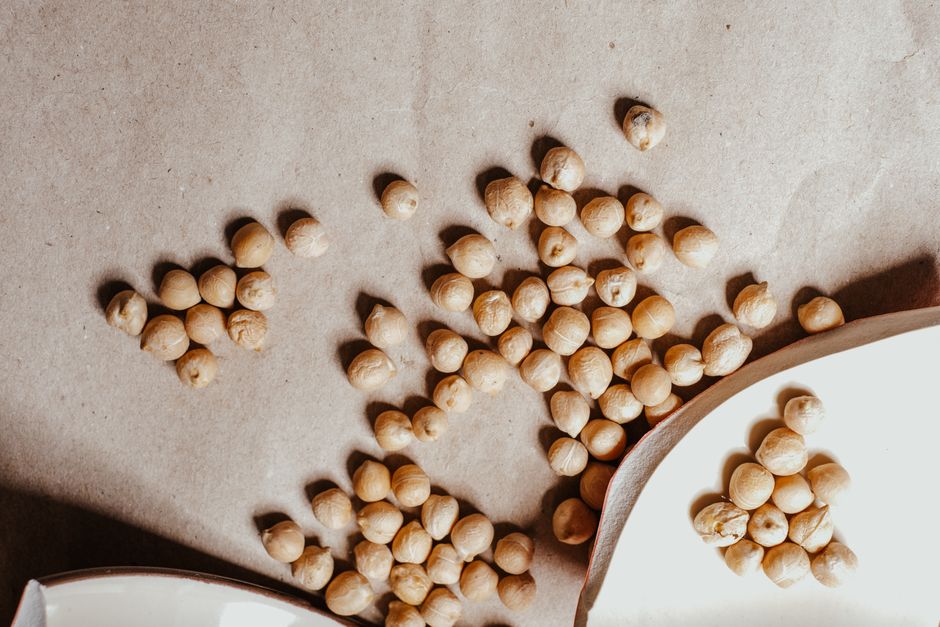
Lentils pack about 18 grams of protein per cooked cup. They also deliver fiber, iron, and folate. The fiber is a bonus most animal proteins lack. Beans and chickpeas are similar. A cup of cooked black beans has about 15 grams of protein.
Tofu and edamame come from soybeans. Tofu provides about 10 grams of protein per half-cup. Edamame delivers about 17 grams per cup. Soy is a complete protein, making it a rare plant source. Tempeh, a fermented soy product, offers even more protein at about 15 grams per half-cup.
Quinoa is a complete grain. One cooked cup has about 8 grams of protein. That is higher than rice or wheat but lower than beans. Quinoa works well as a side dish or salad base. It also contains magnesium and iron.
Seeds deserve more attention. Hemp seeds deliver 10 grams of protein in just 3 tablespoons. Pumpkin seeds offer about 9 grams per ounce. Chia seeds provide 5 grams per ounce plus omega-3 fats. Sprinkle them on salads, yogurt, or oatmeal.
Nuts are good protein sources but calorie-dense. Almonds have about 6 grams per ounce. Peanuts, technically legumes, provide about 7 grams per ounce. Peanut butter and other nut butters are convenient options but check labels for added sugar and oil.




How Much Protein Do You Actually Need?
The Recommended Dietary Allowance for protein is 0.8 grams per kilogram of body weight per day. For a 150-pound adult, that is about 54 grams daily. This amount prevents deficiency in sedentary people. It is the minimum, not an optimal target.
Most Americans already meet or exceed this baseline. The average US adult eats about 80-100 grams of protein daily. If you are active, older, or trying to build muscle, you need more. Research suggests 1.2-2.0 grams per kilogram for active individuals and older adults. This range supports muscle maintenance and recovery.
Older adults are a special case. Muscle loss with aging, called sarcopenia, begins around age 30 and accelerates after 60. Higher protein intake helps slow this process. Some experts recommend older adults aim for 1.0-1.2 grams per kilogram. Spreading protein across meals matters more than the daily total for muscle building.
Your body can only use about 20-40 grams of protein per meal for muscle synthesis. Eating 80 grams at dinner does not help more than eating 30 grams at three meals. Aim for a palm-sized portion at each meal rather than one giant steak at night.
What Is Good Protein To Eat Best Sources Listed
If you want a practical list, start here. These are the highest-quality, most accessible protein sources available in most US grocery stores:
- Chicken breast — about 26 grams per 3-ounce cooked portion
- Salmon — about 22 grams per 3-ounce cooked portion
- Greek yogurt — about 15-20 grams per 6-ounce serving
- Eggs — about 6 grams per large egg
- Lentils — about 18 grams per cooked cup
- Tofu — about 10 grams per half-cup
- Black beans — about 15 grams per cooked cup
- Cottage cheese — about 14 grams per half-cup
- Hemp seeds — about 10 grams per 3 tablespoons
- Lean beef — about 22 grams per 3-ounce cooked portion
This list balances protein quality, nutrient density, and cost. Canned beans and frozen chicken are just as nutritious as fresh versions. Do not let price push you toward lower-quality protein sources.
Protein Powders and Bars: Are They Worth It?
Protein supplements are convenient but not necessary for most people. Whole food sources provide protein plus vitamins, minerals, and fiber that powders lack. A scoop of whey or plant protein powder typically delivers 20-25 grams of protein. That is useful if you are traveling, short on time, or struggling to meet your needs.
Whey protein is the most studied supplement. It digests quickly and is rich in leucine, the amino acid that triggers muscle building. Casein, also from milk, digests slowly and is often taken before bed. Plant-based powders made from pea, rice, or hemp are good alternatives for people avoiding dairy.
Protein bars are closer to candy bars than health foods. Many contain 15-20 grams of protein but also 15-20 grams of added sugar. Check the label. If the sugar content rivals a chocolate bar, you are better off eating real food.
The evidence does not show that protein supplements are better than whole foods. They are simply easier. If you enjoy them and they fit your budget, they are fine. If you expect them to do something whole food protein cannot, you will be disappointed.
Common Protein Myths Worth Ignoring
One common myth is that plant protein cannot build muscle as well as animal protein. This is not supported by research. Studies comparing soy and whey protein find similar muscle-building effects when total protein intake is adequate. The key is eating enough total protein, not the source.
Another myth is that high-protein diets damage kidneys. In healthy people, research finds no harm from protein intakes up to 2-3 grams per kilogram. People with existing kidney disease do need to limit protein, but that is a medical condition requiring professional guidance. Healthy kidneys handle dietary protein without issue.
There is also confusion about “complete” versus “incomplete” proteins. The terms sound like a judgment on quality. They are not. Incomplete proteins are simply missing one or more amino acids. A varied diet solves this easily. You do not need to obsess over combining foods perfectly at every meal.
Finally, eating more protein does not automatically build more muscle. Muscle growth requires resistance training plus adequate calories. Extra protein without exercise becomes extra calories, which the body stores as fat. Protein is a tool, not a magic switch.
Frequently Asked Questions
What is the single best protein source?
Eggs are often considered the gold standard because they are a complete protein with an ideal amino acid profile and are affordable. No single food is perfect for everyone, so variety remains the best strategy.
Is plant protein as good as animal protein?
Yes, when you eat enough total protein and a variety of plant sources. Soy is a complete plant protein, and combining beans with grains or nuts covers amino acid gaps over the course of a day.
How much protein should I eat after a workout?
Research suggests 20-40 grams of protein within a few hours after exercise supports muscle recovery. A chicken breast, a serving of Greek yogurt, or a protein shake all fit this range.
Can I eat too much protein?
Healthy adults can tolerate high protein intakes without harm, but excess calories from any source become fat. People with kidney disease should follow their doctor’s advice on protein limits.
