
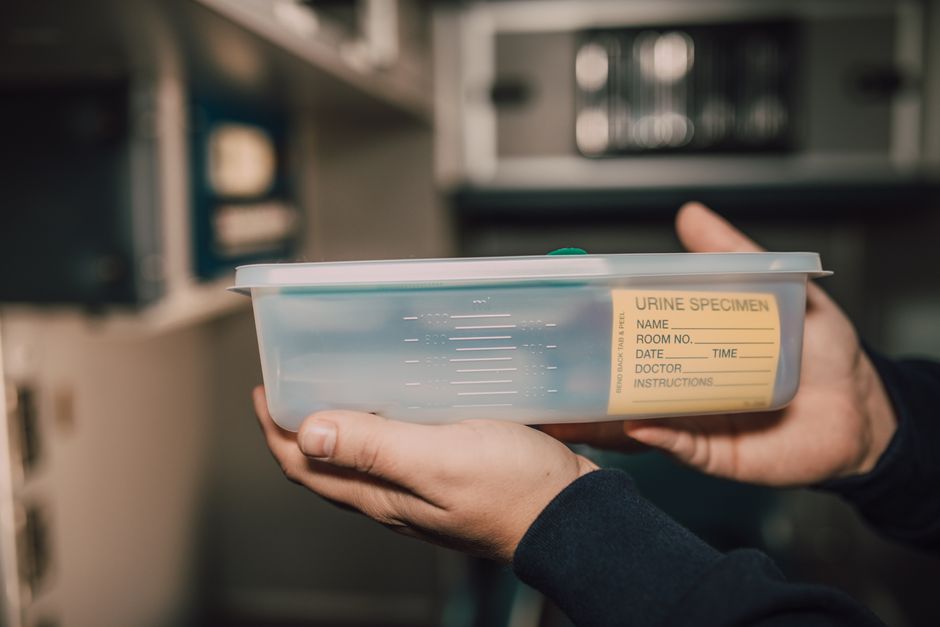
Finding out that your urine test shows bilirubin or protein can be unsettling. Most of the time, these are routine findings on a urinalysis that need a closer look. Bilirubin in urine often points to a problem with your liver or bile ducts. Protein in urine can be a sign of kidney issues, but it can also be a temporary and harmless result of dehydration or intense exercise. Neither finding is a diagnosis on its own, but both are signals that your doctor will want to investigate further.
What Does Bilirubin And Protein In Urine Mean?
Bilirubin is a yellow waste product your body makes when it breaks down old red blood cells. Normally, your liver processes it and sends it into your bile, which then goes to your intestines. It should not appear in your urine. When it does, it usually means bilirubin is building up in your blood faster than your liver can handle, or that bile is backing up instead of flowing out.
Protein in urine, called proteinuria, happens when the filters in your kidneys leak protein into your urine. Your kidneys are supposed to keep protein in your blood. Small amounts of protein can appear temporarily after exercise, stress, or illness. Persistent or large amounts of protein are more concerning and may indicate kidney damage.
These two findings usually have different causes. Seeing both together is uncommon and makes a careful medical evaluation even more important.
Why Bilirubin Appears in Urine
Your body produces bilirubin in two forms. The first form, called unconjugated bilirubin, is not water-soluble and cannot pass into urine. Your liver converts it into a water-soluble form called conjugated bilirubin. That conjugated form is what shows up in urine.
When conjugated bilirubin appears in urine, it means it has entered your bloodstream instead of your bile. This typically happens because of liver disease or blockage in the bile ducts. Common causes include hepatitis, cirrhosis, gallstones, or tumors pressing on the bile ducts.
Dark urine that looks like tea or cola is a classic sign of bilirubin in the urine. You might also notice yellowing of your skin or the whites of your eyes, which is jaundice. However, bilirubin in urine can appear before visible jaundice develops.
Why Protein Appears in Urine
Your kidneys filter about 180 liters of blood every day. They have tiny filters called glomeruli that keep large molecules like protein in your bloodstream while allowing waste products to pass through. When these filters are damaged, protein leaks through into your urine.
There are two main categories of proteinuria. Transient proteinuria is temporary and often harmless. It can happen after a hard workout, a fever, extreme cold exposure, or emotional stress. Persistent proteinuria means protein appears in multiple urine tests over time and usually signals underlying kidney disease.
Conditions that commonly cause persistent proteinuria include diabetes, high blood pressure, and glomerulonephritis, which is inflammation of the kidney filters. Diabetes and high blood pressure are the two leading causes of chronic kidney disease in the United States.





How Doctors Test for Bilirubin and Protein in Urine
A standard urinalysis uses a dipstick test. This is a thin plastic strip with chemical pads that change color when they react with substances in your urine. The dipstick can detect bilirubin and protein, along with other markers like glucose, blood, and nitrites.
The dipstick test is a screening tool, not a precise measurement. A positive result on a dipstick needs confirmation with more specific tests. For bilirubin, doctors may order a blood test to measure total bilirubin, liver enzymes, and other liver function markers. For protein, a urine protein-to-creatinine ratio on a random sample or a 24-hour urine collection provides more accurate quantification.
A single positive dipstick reading does not confirm disease. Your doctor will usually repeat the test or order follow-up testing before making any conclusions.
What the Results Mean for Your Health
Bilirubin in urine should never be ignored. It almost always indicates an underlying liver or bile duct problem that requires medical evaluation. The severity can range from a mild viral infection that resolves on its own to serious conditions like liver failure or bile duct obstruction.
Protein in urine requires more context. A trace amount on one dipstick test is often benign. But if proteinuria persists, it is one of the earliest signs of kidney disease. Detecting it early matters because treatment can slow the progression of kidney damage. Untreated, progressive kidney disease can eventually lead to kidney failure requiring dialysis or transplantation.
When both bilirubin and protein appear together, your doctor will look for conditions that affect both the liver and kidneys. Some diseases, like certain autoimmune disorders or severe infections, can affect multiple organs. In most cases, though, these two findings have separate causes that need separate evaluation.
What Happens Next After an Abnormal Urine Test
Your doctor will likely repeat the urinalysis first. This helps determine whether the findings are consistent or were a one-time event. If bilirubin persists, you will need blood tests to check your liver function and possibly imaging like an ultrasound of your abdomen to look at your liver and bile ducts.
If protein persists, your doctor will order a more precise urine test and blood tests to assess kidney function. Your blood pressure will be checked, and you may be asked about medications, supplements, and family history of kidney disease.
Depending on the results, you may be referred to a specialist. A gastroenterologist or hepatologist handles liver conditions. A nephrologist handles kidney conditions. Early referral is beneficial because it allows for a thorough evaluation before the condition progresses.
Can Diet or Lifestyle Changes Help?
No diet can cure bilirubin in urine because it is a sign of an underlying medical problem. Treating the root cause is the only way to resolve it. If you have liver disease, your doctor may recommend dietary changes like limiting alcohol, reducing salt, or avoiding certain medications that stress the liver.
For protein in urine, the approach depends on the cause. If it is transient and related to exercise or dehydration, drinking enough water and resting may resolve it. If it is from diabetes or high blood pressure, controlling those conditions is the main treatment. That typically involves medication, dietary changes, and regular monitoring.
Do not attempt to treat these findings on your own. Over-the-counter supplements that claim to support liver or kidney health have not been proven to treat the underlying conditions that cause bilirubin or protein in urine. Some supplements can actually worsen kidney or liver damage. Always talk to your doctor before taking anything.
When to Seek Medical Care
If you have already received a urine test result showing bilirubin or protein, contact your doctor to discuss it. Do not wait for symptoms to develop. Many liver and kidney conditions progress silently.
Seek care promptly if you notice dark urine, yellowing of your skin or eyes, foamy urine, swelling in your hands or feet, or unexplained fatigue. Foamy urine can be a sign of significant protein loss. Swelling, called edema, happens when low protein levels in your blood cause fluid to leak into your tissues.
These symptoms do not automatically mean you have a serious condition, but they warrant medical attention. Early detection and treatment give you the best chance of protecting your liver and kidney function.
Frequently Asked Questions
Is bilirubin in urine always a sign of liver disease?
Yes, bilirubin in urine almost always indicates a liver or bile duct problem. It means conjugated bilirubin has entered your bloodstream instead of flowing into your bile, which requires medical evaluation.
Can dehydration cause protein in urine?
Yes, dehydration can cause temporary protein in urine. When you are dehydrated, your urine becomes more concentrated, and a dipstick test may detect protein that would otherwise be too dilute to measure.
What does it mean if both bilirubin and protein are in my urine?
It means you have two separate findings that each require investigation. Bilirubin points to your liver or bile ducts, while protein points to your kidneys. Your doctor will evaluate both systems, often with blood tests and repeat urine tests.
Should I be worried about a trace amount of protein in my urine?
A trace amount on a single test is usually not a cause for alarm. It often resolves on its own. Your doctor will likely repeat the test to see if the protein is consistently present before recommending further evaluation.
