

Irritable bowel syndrome, or IBS, is a common disorder of the gut-brain interaction. For many women, it feels like a recurring cycle of unpredictable abdominal pain, bloating, and dramatic shifts between constipation and diarrhea. The key symptoms often flare up around the menstrual cycle, making the condition feel distinctly different from the typical male experience.
What Does Ibs Feel Like In A Woman Key Symptoms
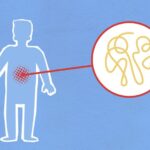
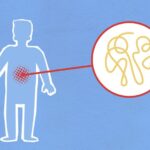
The most defining symptom is abdominal pain. This is not a vague ache. Women often describe it as sharp cramping, a deep gnawing sensation, or a twisting pain that is frequently relieved after a bowel movement. This pain typically sits in the lower abdomen, though it can move around. It often intensifies before a period starts and eases once bleeding begins.
Bloating is another hallmark, and it is often more severe in women than men. The abdomen may visibly distend, feeling tight and heavy by the end of the day. This is not just a feeling of fullness; it is a physical swelling that can make clothing feel uncomfortable. Many women report that the bloating is worse after meals and improves overnight.
Changes in bowel habits are the third pillar. A woman may experience constipation, where stools are hard, infrequent, and difficult to pass. Alternatively, she may have diarrhea, characterized by urgent, loose stools that often occur shortly after waking or eating. Many women alternate between the two, never knowing which end of the spectrum a given week will bring.
The sensation of incomplete evacuation is also common. Even after using the bathroom, there is a lingering feeling that the bowel is not empty. This can cause repeated trips to the toilet and significant frustration.
How Are IBS Symptoms Different In Women?
Research consistently shows that IBS is diagnosed more often in women than in men. The symptom profile also differs. Men are more likely to report diarrhea as their primary symptom. Women, however, are significantly more likely to experience constipation and the painful bloating that accompanies it.
The menstrual cycle plays a major role in symptom severity. Estrogen and progesterone fluctuations directly affect gut motility and sensitivity. During the luteal phase—the week or two before a period—many women report a marked increase in bloating, pain, and stool changes. This is not psychological. These hormones bind to receptors in the digestive tract, altering how fast food moves through the system and how sensitive the nerves in the gut are to stretching.
Pregnancy and menopause also shift the landscape. Some women find their IBS improves during pregnancy, while others find it worsens. The evidence here is mixed and highly individual. During menopause, the withdrawal of estrogen can change gut transit time, often leading to new or worsening symptoms.
What Triggers An IBS Flare-Up In Women?
Triggers are highly personal, but several patterns emerge frequently in clinical practice. The most common triggers fall into three categories: dietary, hormonal, and psychological.
Dietary triggers often include fermentable carbohydrates, known collectively as FODMAPs. These are short-chain carbohydrates that are poorly absorbed in the small intestine. When they reach the colon, bacteria ferment them rapidly, producing gas and drawing water into the bowel. Foods high in FODMAPs include garlic, onions, wheat, beans, apples, and dairy products. This is not a food allergy. It is a sensitivity to the fermentation process.
Stress is a powerful trigger. The gut has its own nervous system, often called the “second brain.” It communicates directly with the brain via the vagus nerve. When stress levels rise, the gut becomes more sensitive to pain and motility speeds up or slows down unpredictably. For women, stress often stacks on top of hormonal changes, creating a perfect storm for a flare.
Certain medications also trigger symptoms. Nonsteroidal anti-inflammatory drugs like ibuprofen can irritate the gut lining. Antibiotics disrupt the balance of gut bacteria. Even some common supplements, like iron or calcium, can cause constipation or cramping.



How Do You Know It Is IBS And Not Something Else?
There is no single test that confirms IBS. It is a diagnosis of exclusion, meaning doctors rule out other conditions first. The diagnostic criteria used in clinical practice are called the Rome IV criteria. To meet them, you must have abdominal pain that occurs at least one day per week on average over the past three months. The pain must be associated with at least two of the following: related to defecation, associated with a change in stool frequency, or associated with a change in stool form.
Red flag symptoms require immediate medical attention. These include blood in the stool, unexplained weight loss, fever, and anemia. If you wake up at night because of the pain or diarrhea, that is also a warning sign. IBS typically does not interrupt sleep. Nocturnal symptoms point toward a different issue, such as inflammatory bowel disease or an infection.
Celiac disease is a common mimic. It causes similar bloating, pain, and stool changes. A simple blood test for tissue transglutaminase antibodies can screen for it. Endometriosis is another condition that frequently mimics IBS in women. Endometrial tissue can implant on the bowel, causing cyclic pain and altered bowel habits that look identical to IBS. If your symptoms consistently align with your menstrual cycle, it is worth asking your doctor about endometriosis as a possibility.
What Are The Non-Digestive Symptoms?
IBS is not just a gut problem. Many women experience symptoms outside the digestive tract. Fatigue is extremely common, affecting a large percentage of those diagnosed. This is not ordinary tiredness. It is a deep exhaustion that does not fully resolve with rest.
Urinary symptoms frequently co-occur. Women with IBS are more likely to experience overactive bladder symptoms, including urgency and frequent urination. This is likely due to shared nerve pathways between the pelvic organs. Pelvic floor dysfunction is also common, which can lead to pain during intercourse and difficulty with bowel emptying.
Anxiety and depression are strongly linked to IBS. The relationship is bidirectional. Living with unpredictable gut symptoms creates anxiety, and anxiety worsens gut symptoms. This is not “all in your head.” Brain imaging studies show that people with IBS process gut signals differently, amplifying normal sensations into pain.
When Should You See A Doctor?
You should see a doctor if your symptoms are interfering with your daily life. Missing work, avoiding social events, or fearing food because of your gut are all signs that you need professional help. You should also seek care if your symptoms are changing or worsening despite your best efforts at dietary and lifestyle management.
Seek urgent care if you experience severe pain that is not relieved by passing gas or a bowel movement. Sudden changes in bowel habits after age 50 warrant evaluation for colon cancer. A family history of inflammatory bowel disease or colon cancer should also prompt earlier screening.
Your doctor will likely order basic blood work to check for anemia, inflammation, and thyroid function. A stool test may be used to check for inflammation or infection. A colonoscopy is not always required, but it is often recommended if you are over 45 or have red flag symptoms.
How Is IBS Managed In Women?
Management is multi-layered and highly individualized. There is no cure for IBS, but most women achieve significant symptom control with a combination of approaches. The goal is not to eliminate all symptoms but to reduce them to a manageable level.
Dietary changes are the first line of defense. A low-FODMAP diet has the strongest evidence base for reducing bloating, pain, and stool changes. This diet is not meant to be followed long-term. It involves a strict elimination phase for two to six weeks, followed by a structured reintroduction phase to identify personal triggers. Working with a registered dietitian is recommended because the diet is complex.
Fiber management requires nuance. Soluble fiber, found in oats, psyllium, and bananas, can help regulate stool consistency. Insoluble fiber, found in wheat bran and many raw vegetables, can worsen bloating and pain. Increasing fiber should be done gradually to avoid gas and cramping.
Medications are available for specific symptom patterns. Antispasmodics can reduce cramping pain. Laxatives are used for constipation, while anti-diarrheal agents like loperamide can control urgency. Prescription medications target the gut-brain axis directly. Some are approved specifically for IBS with constipation, and others for IBS with diarrhea. These are not over-the-counter remedies. They require a prescription and a discussion with your doctor about risks and benefits.
Psychological therapies have strong evidence for IBS. Cognitive behavioral therapy and gut-directed hypnotherapy both show significant symptom improvement. These therapies teach techniques to reduce the brain’s amplification of gut signals. They are not a sign that your symptoms are imaginary. They are a targeted treatment for a known mechanism of the disease.
Pelvic floor physical therapy is often overlooked but highly effective for women with constipation and pelvic pain. A trained therapist can help relax and coordinate the muscles involved in bowel emptying. Many women find this resolves symptoms that did not respond to dietary changes alone.
What Is The Long-Term Outlook?
IBS is a chronic condition. It tends to wax and wane over time. Some women experience long periods of remission, while others have persistent symptoms. The condition does not damage the bowel or increase the risk of colon cancer. This is a critical point of reassurance for many patients.
Quality of life can improve significantly with proper management. Women who engage in a comprehensive treatment plan—dietary changes, stress management, and appropriate medical therapy—report better outcomes than those who try to manage it alone. It takes time to find the right combination. Patience and consistent follow-up with a healthcare provider are essential.
The evidence does not support the idea that IBS is progressive. It does not lead to inflammatory bowel disease or other structural damage. However, symptoms can shift over time. A woman who primarily has constipation may later develop diarrhea-predominant symptoms. Treatment plans must be revisited and adjusted accordingly.
Frequently Asked Questions
Can IBS cause pain during sex?
Yes, pelvic floor dysfunction and heightened nerve sensitivity associated with IBS can make intercourse painful. This is more common in women and is a symptom you should discuss openly with your doctor.
Does IBS get worse before your period?
Many women report significant symptom worsening in the days before their period starts. Hormonal fluctuations directly affect gut motility and pain sensitivity.
Is bloating from IBS visible?
Yes, the bloating is often a physical distension, not just a feeling of fullness. Many women report their abdomen visibly swells by several inches by the end of the day.
Can IBS turn into colon cancer?
No, IBS does not increase your risk of colon cancer. It is a functional disorder, meaning it affects how the bowel works, not the structure of the bowel itself.
