

A hernia in the stomach area happens when an internal part of the body pushes through a weak spot in the surrounding muscle or tissue. Most people use the term to describe hernias in the abdominal wall, which covers the front of your belly. These are very common. They do not always cause symptoms, but when they do, you might notice a bulge, pain, or discomfort that gets worse with certain activities.
What Is A Hernia In The Stomach Causes Symptoms?
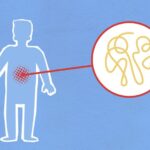
An abdominal hernia occurs when an organ or fatty tissue squeezes through a hole or weak area in the abdominal wall. The abdominal wall is the layer of muscle and tissue that holds your internal organs in place. When a gap forms, tissue can push through it, creating a lump.
Several types of hernias can form in this area. The most common are inguinal hernias, which appear in the groin, and umbilical hernias, which appear near the belly button. Hiatal hernias are different. They occur inside the body when part of the stomach pushes up through the diaphragm into the chest cavity. Ventral and incisional hernias can appear anywhere on the front of the abdomen where muscle has weakened, often after surgery.
The main symptom for most people is a visible bulge. This bulge may disappear when you lie down and reappear when you stand, cough, or strain. Pain is common but not universal. Some people feel a dull ache or a sensation of pressure. Others feel nothing at all and only discover the hernia during a routine physical exam.
What Causes A Hernia To Form?
Hernias form from a combination of muscle weakness and increased pressure inside the abdomen. The weakness can be present at birth, or it can develop over time. The pressure pushes against the weak spot until tissue breaks through.
Several factors increase abdominal pressure. Heavy lifting is a classic trigger. Chronic coughing from smoking, asthma, or other lung conditions also raises pressure. Constipation and straining during bowel movements do the same. Pregnancy is a common cause in women because the growing baby stretches and weakens the abdominal muscles. Excess body weight adds constant pressure to the abdominal wall. So does fluid buildup in the abdomen, a condition called ascites.
Age plays a role because muscles naturally weaken over time. A prior surgery is also a risk factor. The incision site creates a permanent weak point where a hernia can later develop. Some people are simply born with a natural weakness in the abdominal wall. Inguinal hernias, for example, are more common in men partly because of how the male anatomy develops during fetal growth.
What Do Hernia Symptoms Feel Like?
Symptoms depend on the type and size of the hernia. Many hernias cause no symptoms at all. Others cause a range of sensations that are hard to ignore.
The most reliable sign is a soft lump under the skin. You can often push it back in gently, and it may slide back on its own when you lie flat. The lump may be tender to the touch. Some people describe a heavy feeling in the abdomen or groin. Others feel a burning, gurgling, or aching sensation at the site.
Pain from a hernia is typically worse when you increase abdominal pressure. Coughing, sneezing, bending over, lifting something heavy, or standing for a long time can all make it worse. The pain usually eases when you rest or lie down.
Some hernias cause digestive symptoms. You might feel bloated, nauseous, or constipated. These symptoms are more common with hiatal hernias, which can also cause heartburn and acid reflux because the stomach is no longer sitting in its normal position below the diaphragm.




When Is A Hernia An Emergency?
Most hernias are not emergencies. But two complications can be serious, and you need to know the warning signs.
The first is incarceration. This happens when the hernia becomes trapped and cannot be pushed back in. The tissue is stuck. This is painful and requires medical attention, but the blood supply is still intact.
The second is strangulation. This is a true emergency. Strangulation means the blood supply to the trapped tissue has been cut off. Without blood, the tissue starts to die within hours. This can lead to a perforated bowel or a life-threatening infection.
Signs of strangulation include sudden severe pain at the hernia site, a bulge that turns red, purple, or dark, nausea and vomiting, fever, and an inability to pass gas or have a bowel movement. If you experience any of these symptoms, go to an emergency room immediately. Do not wait to see if it passes. Do not try to push the hernia back in yourself.
How Are Hernias Diagnosed?
A doctor can usually diagnose a hernia with a physical exam. The doctor will ask you to stand and cough or bear down. This increases abdominal pressure and makes the bulge more visible. The doctor can often feel the edge of the hernia and determine if it can be pushed back in.
Imaging is not always needed, but it can help in certain situations. An ultrasound can show soft tissue clearly and is often used when the hernia is not obvious on exam. A CT scan provides a detailed view and is useful if the doctor suspects a complication or if the hernia is in an unusual location. An upper endoscopy or barium swallow test may be used for hiatal hernias because these cannot be seen from the outside.
What Are The Treatment Options?
Treatment depends on whether the hernia is causing symptoms and how severe those symptoms are.
A small hernia that causes no symptoms may not need immediate treatment. Some doctors recommend watchful waiting. You monitor the hernia for changes and have surgery only if it starts to cause problems. This approach is supported by evidence for certain types of hernias, particularly small inguinal hernias in men that are painless. However, hernias do not heal on their own. The muscle gap will not close without intervention. Over time, many hernias grow larger and become more symptomatic.
Surgery is the only treatment that repairs a hernia. There are two main approaches. Open surgery involves making an incision at the hernia site, pushing the tissue back into place, and repairing the muscle wall with stitches. Laparoscopic surgery uses several small incisions and a camera. The surgeon repairs the hernia with specialized instruments. Laparoscopic surgery typically means less postoperative pain and a faster recovery, but not everyone is a candidate.
Most hernia repairs use mesh. The mesh is a synthetic patch that reinforces the weakened area of the muscle wall. Using mesh reduces the risk of the hernia returning compared to stitches alone. Some patients have concerns about mesh, and complications can occur. But for most people, mesh repair is safe and effective. Discuss the options with your surgeon so you understand the specific material and technique that would be used in your case.
Can You Prevent A Hernia?
You cannot always prevent a hernia. Some people are born with a structural weakness that makes hernias likely regardless of what they do. But you can reduce your risk by managing the factors that increase abdominal pressure.
Maintain a healthy weight. Excess weight puts constant strain on the abdominal wall. Avoid heavy lifting, or use proper form when you do lift. Bend at the knees, not at the waist. Keep your core muscles strong with regular exercise, but do not overdo it. Treat chronic cough and constipation promptly. If you smoke, quitting will reduce your coughing and your overall risk. For women planning pregnancy, strong abdominal muscles before conception may help, but pregnancy-related hernias can still occur.
Frequently Asked Questions
Can a hernia go away on its own?
No. A hernia will not heal without surgery. The muscle weakness that allows tissue to push through remains, and the hernia typically stays the same or grows larger over time.
Is it safe to exercise with a hernia?
Low-impact exercise is generally safe, but heavy lifting and high-intensity abdominal exercises can worsen symptoms. Talk to your doctor about which activities are appropriate for your specific hernia.
What happens if a hernia is left untreated?
Many hernias remain stable for years without causing problems. However, there is always a risk of incarceration or strangulation, which requires emergency surgery. The risk increases over time as the hernia grows.
How long is recovery after hernia surgery?
Most people return to light activities within one to two weeks after laparoscopic repair. Open surgery may require a longer recovery. Full return to heavy lifting typically takes four to six weeks, but your surgeon will give you specific guidance.
