
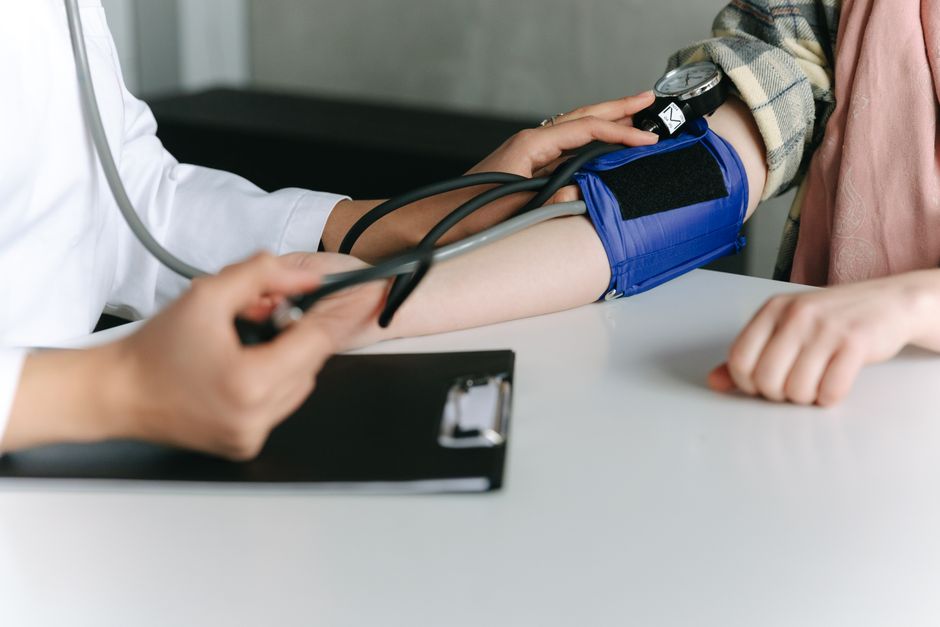
High blood pressure usually feels like nothing at all. That is the part that surprises most women. There is no headache that reliably warns you, no flushed face, no feeling of pressure in your chest. For the large majority of people with hypertension, the first sign is a number on a blood pressure cuff.
This is why clinicians call hypertension a silent condition. You can have it for years, feel completely normal, and still be accumulating damage to your heart, kidneys, blood vessels, and brain. When symptoms do appear, they tend to show up either when blood pressure has risen to dangerous levels or when it has already caused damage elsewhere in the body.
Women also face a wrinkle that men do not. Blood pressure patterns shift across the menstrual cycle, pregnancy, and menopause, and some of the conditions that raise blood pressure in women — like preeclampsia — are unique to female physiology. Knowing what to watch for, and what not to trust as a warning sign, matters.
What Does High Blood Pressure Feel Like For A Woman?
For most women, it does not feel like anything. That is the honest answer, and it is the one that saves lives.
When blood pressure climbs into a severe range, some people notice headaches, shortness of breath, nosebleeds, or visual changes. But these symptoms are unreliable. They can occur in people with normal blood pressure, and plenty of people with dangerously high readings have none of them. The relationship between symptoms and blood pressure level is weak enough that clinicians do not use symptoms to diagnose or rule out hypertension.
There is one important exception. A hypertensive crisis — generally defined as a reading above 180/120 mm Hg — is a medical emergency. Symptoms at that level can include severe headache, chest pain, shortness of breath, vision changes, confusion, or numbness. If you get a reading that high, wait a few minutes and check again. If it is still that high, seek emergency care.
Below that threshold, symptoms are a poor guide. A woman with a pressure of 150/95 may feel fine. A woman with a pressure of 118/76 may have a tension headache. The cuff, not the feeling, tells the story.
Why Do So Many Women Miss the Signs?
Because there are no signs to miss in the early stages. Hypertension develops gradually, and the body adapts to higher pressure without sending distress signals.
Arteries are muscular tubes that can stretch and remodel over time. When pressure rises slowly, the vessel walls thicken and adjust. The heart muscle enlarges to push against the higher resistance. None of this registers as pain or discomfort. The adaptation is silent.
This is also why the condition is often discovered by accident — at a routine physical, a dentist’s appointment, or a pharmacy kiosk. Women who only see a doctor when something feels wrong may go years without a reading.
There is a second reason women miss it. Historically, hypertension was framed as a men’s problem, and some women still think of heart disease and stroke as conditions that mainly affect men. That framing is outdated. Cardiovascular disease is the leading cause of death for women in the United States, and high blood pressure is a major driver.
Are Symptoms Different for Women Than Men?
Broadly, the symptom picture is similar. The differences show up more in when and why blood pressure rises.
Women tend to develop hypertension at older ages than men, and the gap narrows after menopause. Before menopause, estrogen appears to offer some protection to blood vessels, though the mechanism is not fully understood and the effect is not absolute. After menopause, blood pressure often climbs.
Some conditions are specific to women:
- Preeclampsia — a pregnancy complication marked by high blood pressure and signs of organ damage, typically after 20 weeks. It can develop without symptoms, which is why prenatal visits include regular blood pressure checks and urine testing.
- Gestational hypertension — elevated blood pressure during pregnancy without the organ-damage features of preeclampsia.
- Polycystic ovary syndrome (PCOS) — associated with a higher risk of hypertension, though the reasons are likely tied to metabolic factors like insulin resistance.
- Oral contraceptive use — can raise blood pressure in some women, particularly those who already have risk factors. Blood pressure monitoring is part of routine contraceptive care for this reason.
Women who had preeclampsia during pregnancy appear to carry a higher long-term risk of hypertension and cardiovascular disease later in life. If you had it, that history belongs in your medical record and in conversations with your clinician for decades afterward.


What Symptoms Might Actually Show Up?
When symptoms do occur, they are usually vague and easily attributed to something else. That is part of the problem.
Possible symptoms include:
- Headaches, especially in the morning or back of the head
- Shortness of breath with mild exertion
- Dizziness or lightheadedness
- Blurred or double vision
- Nosebleeds
- Fatigue or a general sense of not feeling right
- Palpitations or a pounding sensation in the chest, neck, or ears
None of these are specific to hypertension. A headache from dehydration looks the same as a headache from elevated pressure. This is why clinicians do not diagnose hypertension by symptoms — they measure.
If you have several of these symptoms together and they are new or worsening, getting a blood pressure reading is reasonable. But do not assume a normal reading rules out a problem, and do not assume a headache means your pressure is high.
How Is High Blood Pressure Actually Diagnosed?
Diagnosis comes from repeated measurements, not a single reading.
A blood pressure reading has two numbers. The top number (systolic) is the pressure when the heart contracts. The bottom number (diastolic) is the pressure between beats. Both matter.
For adults, the general categories used in clinical practice are:
- Normal: below 120/80 mm Hg
- Elevated: 120–129 systolic and below 80 diastolic
- Stage 1 hypertension: 130–139 systolic or 80–89 diastolic
- Stage 2 hypertension: 140 or higher systolic or 90 or higher diastolic
These thresholds come from widely used clinical guidelines. A single high reading does not mean you have hypertension. Blood pressure fluctuates with stress, caffeine, time of day, and even the setting — a phenomenon sometimes called white coat hypertension when it happens in a medical office.
Because of this variability, diagnosis usually requires multiple elevated readings on separate occasions. Some clinicians use at-home monitoring or a 24-hour ambulatory monitor to get a clearer picture. Home readings taken correctly tend to be more representative of your typical pressure than a single office measurement.
What Raises a Woman’s Risk?
Risk factors for hypertension are similar across sexes, with a few female-specific additions.
Established risk factors include:
- Age — risk rises steadily with age
- Family history of high blood pressure
- Excess body weight
- Physical inactivity
- High sodium intake
- Heavy or regular alcohol use
- Smoking and tobacco use
- Chronic stress and poor sleep
- Diabetes and chronic kidney disease
Female-specific considerations include pregnancy history (preeclampsia or gestational hypertension), menopause, and certain medications such as oral contraceptives in women who already have other risk factors.
One clarification worth making: stress alone does not cause chronic hypertension in the way many people assume. Stress can raise blood pressure temporarily, and chronic stress may contribute indirectly through poor sleep, increased alcohol use, or weight gain. But the direct driver of sustained hypertension is usually a combination of genetics, age, and lifestyle factors acting on the vascular system over years.
When Should a Woman Get Checked?
Adults should have their blood pressure checked at least once a year at a routine visit, and more often if readings have been borderline or if risk factors are present. This is standard preventive care advice, and it applies to women at every stage of adult life.
Some situations call for a check sooner:
- You are pregnant or recently gave birth
- You have a history of preeclampsia or gestational hypertension
- You take medication known to raise blood pressure
- You have diabetes, kidney disease, or sleep apnea
- You have a family history of early heart disease or stroke
- You have noticed new symptoms like persistent headaches, vision changes, or shortness of breath
Home blood pressure monitors are widely available and reasonably accurate when used correctly. A cuff that fits your arm properly matters more than the brand. Measuring at the same time each day, sitting quietly for five minutes beforehand, and keeping a log gives your clinician far more useful information than a single number.
What Happens If High Blood Pressure Goes Untreated?
Untreated hypertension damages blood vessels throughout the body, and the damage accumulates quietly.
Over time, sustained high pressure can lead to:
- Heart attack and heart failure
- Stroke
- Kidney disease and kidney failure
- Vision loss from damage to the blood vessels in the retina
- Peripheral artery disease
- Cognitive decline and vascular dementia
The reason these outcomes are so common is precisely because hypertension is silent. By the time symptoms appear from organ damage, the damage is often already significant.
This is the core message. High blood pressure does not need to feel like anything to be dangerous. The only reliable way to know your numbers is to measure them.
Frequently Asked Questions
Can high blood pressure cause headaches in women?
It can, but headaches are not a reliable sign of hypertension and most headaches have other causes. A severe headache with a reading above 180/120 mm Hg is a medical emergency.
Does high blood pressure feel different after menopause?
Not usually in terms of symptoms, but blood pressure often rises after menopause and risk increases. Regular monitoring becomes more important in this stage of life.
Can you have high blood pressure and feel completely fine?
Yes, and this is the most common scenario. Most people with hypertension have no symptoms at all until significant damage has occurred.
What blood pressure reading is considered an emergency?
A reading above 180/120 mm Hg that remains elevated after a few minutes of rest is considered a hypertensive crisis and requires immediate medical attention.
