
DEXA stands for dual-energy X-ray absorptiometry. It is a scan that measures bone density and body composition. A DEXA scan is the standard test for diagnosing osteoporosis and assessing fracture risk. It also provides precise measurements of body fat, lean mass, and bone mass.
How Does a DEXA Scan Work?
A DEXA machine uses two X-ray beams at different energy levels. Each beam is absorbed differently by bone and soft tissue. The scanner compares the two readings to calculate how much bone, fat, and lean tissue you have.
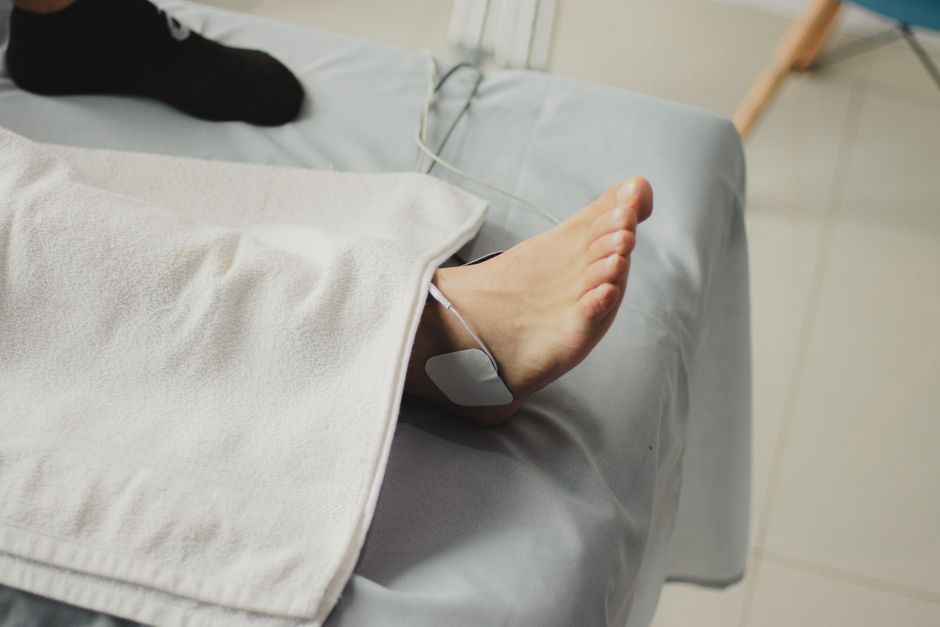
The scan is quick and painless. You lie on a padded table while the scanner arm passes over your body. The whole process takes about 10 to 20 minutes. You do not need a special room or preparation for most scans.
The radiation exposure is very low. A DEXA scan delivers less radiation than a standard chest X-ray. Most people can have a DEXA scan without any concern about radiation exposure.
What Does DEXA Measure Exactly?
DEXA measures three main things: bone mineral density, lean mass, and fat mass. Each measurement has a specific purpose.
Bone mineral density is the amount of calcium and other minerals in a section of bone. It is reported as a T-score, which compares your bone density to that of a healthy young adult of the same sex. A T-score of -1.0 or higher is normal. A T-score between -1.0 and -2.5 indicates low bone mass, called osteopenia. A T-score of -2.5 or lower indicates osteoporosis.
Lean mass includes muscle, organs, and water. Fat mass is the total amount of fat in your body. DEXA can also report fat distribution, showing how much fat is in your trunk, arms, and legs separately. This matters because abdominal fat carries higher health risks than fat in other areas.
DEXA also provides a visceral adipose tissue measurement. This number estimates the fat surrounding your internal organs. High visceral fat is linked to metabolic disease, even in people with a normal body weight.
Who Should Get a DEXA Scan?
The main reason doctors order a DEXA scan is to screen for osteoporosis. The test is most valuable for people with known risk factors for bone loss.
Women over 65 and men over 70 should be screened for osteoporosis. The U.S. Preventive Services Task Force recommends routine screening for women starting at age 65. Women younger than 65 should be screened if they have risk factors such as early menopause, low body weight, or a history of fractures.
Men over 70 should discuss screening with their doctor. Younger men may need a scan if they have conditions that affect bone health, such as long-term steroid use, low testosterone, or malabsorption disorders.
People who have already had a fragility fracture should get a DEXA scan. A fragility fracture is a break that happens from a minor fall or no trauma at all. This type of fracture strongly suggests underlying bone weakness.
DEXA is also used to monitor treatment. If you start medication for osteoporosis, your doctor may repeat the scan every one to two years to see if your bone density is stable or improving.




What Does DEXA Do for Body Composition?
DEXA is considered one of the most accurate methods for measuring body composition. It is more precise than a body mass index calculation or a bioelectrical impedance scale.
BMI only tells you your weight relative to your height. It cannot distinguish between muscle and fat. Two people can have the same BMI with completely different body compositions. DEXA solves this problem by measuring each component directly.
Athletes and people tracking fitness progress often use DEXA to monitor changes in muscle and fat. The scan can show whether you are losing fat while preserving muscle. This is useful because rapid weight loss often causes muscle loss alongside fat loss.
DEXA body composition results are also used in research settings. Many clinical trials use DEXA as the reference standard for measuring changes in body fat and lean mass.
One limitation is cost. DEXA body composition scans are not always covered by insurance when used for fitness purposes. Medical scans for bone density are typically covered, but body composition analysis may require out-of-pocket payment.
How Should You Prepare for a DEXA Scan?
Preparation is simple but important for accurate results.
Avoid taking calcium supplements for 24 hours before the scan. Calcium in your digestive system can interfere with the reading. Do not wear clothing with metal zippers, buttons, or snaps. You may be asked to change into a hospital gown.
Tell your doctor if you have had a barium study, a CT scan with contrast, or a nuclear medicine test within the past week. These procedures can leave contrast material in your body that affects the X-ray measurements.
If you might be pregnant, tell your doctor before the scan. DEXA is generally avoided during pregnancy unless the benefit clearly outweighs the risk.
What Do DEXA Results Mean for Your Health?
Your T-score determines your bone health category. But the T-score alone does not tell the whole story.
Your doctor will also consider your age, fracture history, and other risk factors. The Fracture Risk Assessment Tool, called FRAX, combines your DEXA results with clinical risk factors to estimate your 10-year probability of a major fracture. This calculation helps guide treatment decisions.
A diagnosis of osteopenia does not mean you will definitely develop osteoporosis. It means your bone density is lower than optimal. Some people with osteopenia never progress to osteoporosis. Lifestyle changes such as weight-bearing exercise, adequate protein, and vitamin D can help maintain bone density.
An osteoporosis diagnosis means your bones are significantly weaker than average. Treatment usually involves medication, not just lifestyle changes. Several classes of drugs can reduce fracture risk in people with osteoporosis. Your doctor will discuss which option fits your situation.
For body composition, DEXA results give you a baseline. The most useful comparison is your own results over time. A single scan tells you where you are now. Repeated scans show whether your interventions are working.
What Are the Limitations of DEXA?
DEXA is highly accurate, but it has limits.
The scan measures bone density, not bone quality. Bone quality includes microarchitecture, collagen structure, and damage repair. These factors also affect fracture risk but are not captured by DEXA. Two people with the same T-score can have different fracture risks.
DEXA cannot detect the cause of bone loss. It tells you that bone density is low but not why. Blood tests and clinical history are needed to identify underlying causes such as vitamin D deficiency, thyroid disease, or medication side effects.
For body composition, DEXA assumes a constant hydration level in lean tissue. If you are significantly dehydrated or overhydrated, the accuracy can shift slightly. The error is small but worth knowing about.
Very large people may have difficulty fitting on the scanning table. Most machines have a weight limit around 350 to 400 pounds. If you exceed the limit, alternative testing may be needed.
DEXA vs. Other Bone Density Tests
DEXA is the most common bone density test, but it is not the only one.
Quantitative ultrasound measures bone density at the heel or shin using sound waves. It uses no radiation and is portable. However, it is less accurate than DEXA and is mainly used as a screening tool, not for diagnosis.
Peripheral DEXA measures bone density at the wrist or heel. It is quicker and cheaper than central DEXA but provides less information. The hip and spine measurements from central DEXA are the most predictive of fracture risk.
CT-based bone density tests can measure bone in three dimensions. These are more detailed than DEXA but expose you to more radiation and are more expensive. They are used mainly in research or specific clinical situations.
For most people, central DEXA remains the best combination of accuracy, safety, and practicality. It is the test that clinical guidelines recommend for diagnosing osteoporosis and monitoring treatment.
Frequently Asked Questions
How often should I get a DEXA scan?
For monitoring osteoporosis treatment, scans are usually repeated every one to two years. For routine screening, your doctor will decide the interval based on your risk factors and initial results.
Is a DEXA scan painful?
No. You lie still on a padded table for about 10 to 20 minutes while the scanner passes over you. Most people feel nothing at all during the scan.
Can I eat before a DEXA scan?
Yes, you can eat normally before the scan. The only restriction is to avoid calcium supplements for 24 hours before your appointment.
What is the difference between a DEXA scan and a bone density test?
They are the same thing. DEXA is the technology used to perform a bone density test. The terms are used interchangeably in clinical practice.
