
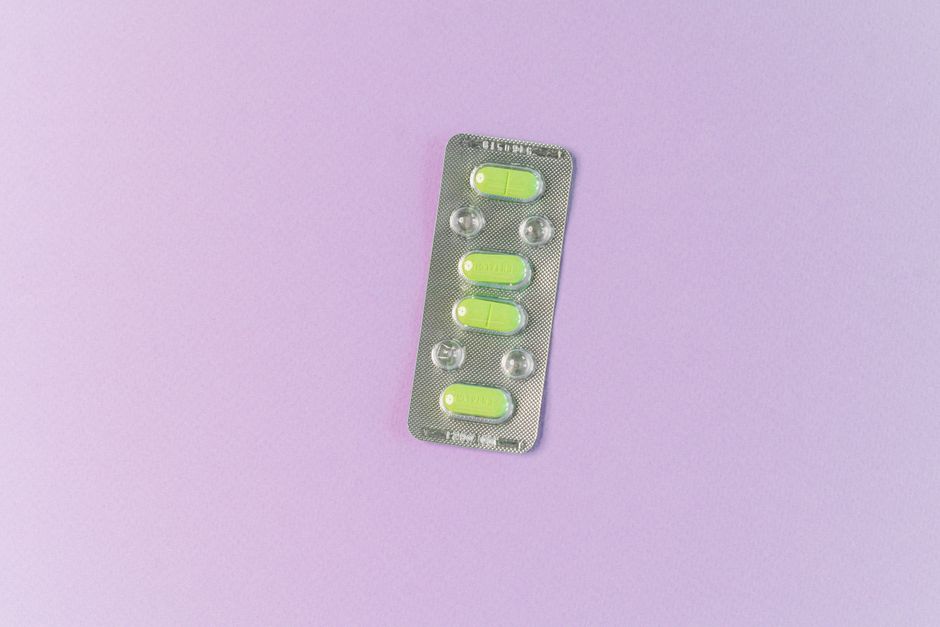
Antidepressants are prescription medications used to treat major depressive disorder and several other conditions. They work by changing how brain cells communicate with each other, primarily by affecting chemical messengers called neurotransmitters. For many people, they reduce the severity of depression symptoms, but they are not a cure and they do not work for everyone.
How Do Antidepressants Work in the Brain?
Your brain uses chemicals called neurotransmitters to send signals between nerve cells. These signals affect your mood, sleep, appetite, and energy levels. Depression is not simply a “chemical imbalance,” but research shows that problems with these signaling systems play a role in the condition.
Antidepressants do not add chemicals to your brain. Instead, they change how long neurotransmitters stay active in the space between nerve cells. The most common type, called SSRIs, blocks the reabsorption of serotonin. This leaves more serotonin available to send signals. Other types target norepinephrine and dopamine in similar ways.
The exact reason these changes improve mood is still not fully understood. The effect on neurotransmitters happens within hours, but the mood benefits often take weeks to appear. This delay suggests the real benefit comes from slower changes in how brain cells grow and connect with each other, not just from the immediate chemical shift.
What Conditions Are Antidepressants Prescribed For?
Depression is the main reason these medications are prescribed, but they are used for several other conditions. Many of these uses are approved by regulatory agencies, and some are considered standard clinical practice even without formal approval.
- Major depressive disorder — persistent low mood, loss of interest, and related symptoms lasting at least two weeks
- Generalized anxiety disorder — chronic, excessive worry that interferes with daily life
- Panic disorder — sudden, repeated episodes of intense fear
- Obsessive-compulsive disorder — unwanted thoughts and repetitive behaviors
- Post-traumatic stress disorder — anxiety following a traumatic event
- Chronic pain conditions — some types, especially nerve-related pain, respond to certain antidepressants
Some doctors also prescribe them for insomnia, migraine prevention, or premenstrual dysphoric disorder. These uses are less standardized. The evidence varies by medication and condition, so treatment decisions are made on a case-by-case basis.
How Long Does It Take for Antidepressants to Work?
Most people do not feel better immediately. The first noticeable changes usually appear after two to four weeks of consistent use at a therapeutic dose. Full benefits, when they occur, typically develop over six to eight weeks.
Side effects often appear before any mood improvement. This can be discouraging, and it is a common reason people stop taking the medication early. If side effects are severe or do not fade after a few weeks, a doctor may adjust the dose or switch to a different medication.
If there is no improvement after six to eight weeks at the full dose, the medication is generally considered ineffective for that person. A doctor may increase the dose, switch medications, or add a second treatment. Roughly one-third of people do not achieve remission with the first antidepressant they try. Finding the right medication can take several attempts.





What Are the Common Side Effects?
Side effects vary by medication class and by individual. Most are most noticeable during the first few weeks and fade as the body adjusts. Some persist for as long as the medication is taken.
Common side effects of SSRIs and SNRIs include nausea, diarrhea, headache, dry mouth, sweating, and jitteriness. Sleep changes are common — some people feel drowsy, others feel wired. Sexual side effects are also common, including reduced desire and difficulty reaching orgasm. These do not always fade over time and can be a reason people stop treatment.
Weight changes can occur with long-term use. Some antidepressants are associated with modest weight gain, while others are more weight-neutral. This varies significantly between medications and between individuals, so it is not possible to predict who will be affected.
There is also a rare but serious risk of increased suicidal thoughts in young adults under 25, particularly in the first weeks of treatment. The FDA requires a boxed warning on all antidepressants for this reason. Anyone starting an antidepressant should be monitored closely, especially early in treatment.
What Happens When You Stop Taking Antidepressants?
Stopping suddenly can cause withdrawal-like symptoms called discontinuation syndrome. These include dizziness, nausea, headache, fatigue, irritability, and a sensation like electric shocks. These symptoms can be uncomfortable and sometimes severe.
Discontinuation syndrome is not addiction, but it is a real physiological response to stopping the medication. The risk is higher with shorter-acting medications and with abrupt stops. Symptoms usually begin within days and can last one to two weeks.
To reduce this risk, doctors typically taper the dose gradually over several weeks or months. The slower the taper, the lower the chance of significant withdrawal symptoms. Never stop an antidepressant without talking to your doctor first.
Do Antidepressants Actually Work Better Than Placebo?
This is one of the most debated questions in psychiatry. The answer depends on how you measure effectiveness and who you are talking about.
Large clinical trials show that antidepressants outperform placebos in treating moderate to severe depression. The effect is statistically significant in most major studies. However, the difference between drug and placebo is often modest. Many people improve on placebo, and the drug adds a measurable but not dramatic benefit on top of that.
For mild depression, the evidence is weaker. Several analyses suggest that for mild cases, the benefit over placebo is minimal or absent. This is why clinical guidelines generally recommend psychotherapy, exercise, and other lifestyle interventions as first-line treatment for mild depression, with medication reserved for moderate to severe cases or when other approaches have failed.
Some research suggests that antidepressant effectiveness has been overstated due to publication bias — studies with negative results are less likely to be published. When unpublished data is included in analyses, the overall effect size decreases. This does not mean the medications are ineffective. It means the true effect is more modest than early studies suggested.
How Do Antidepressants Compare to Therapy?
Psychotherapy, particularly cognitive behavioral therapy (CBT), is as effective as medication for many people with depression. The evidence for this is strong and consistent across multiple studies.
The two approaches work differently. Therapy teaches skills for managing thoughts and behaviors. Medication changes brain chemistry directly. For moderate to severe depression, combining both is often more effective than either alone. The combination addresses both the biological and psychological aspects of the condition.
One advantage of therapy is durability. The skills learned in CBT can continue to help after treatment ends. The benefits of medication typically fade when the medication is stopped. For people who have had multiple episodes of depression, long-term maintenance treatment with medication is often recommended to prevent relapse.
What Are the Main Types of Antidepressants?
There are several classes of antidepressants, each working on different neurotransmitter systems. They are not interchangeable — what works for one person may not work for another.
- SSRIs (selective serotonin reuptake inhibitors) — the most commonly prescribed class. Examples include fluoxetine, sertraline, and escitalopram. They block serotonin reabsorption.
- SNRIs (serotonin-norepinephrine reuptake inhibitors) — block reabsorption of both serotonin and norepinephrine. Examples include venlafaxine and duloxetine.
- NDRIs (norepinephrine-dopamine reuptake inhibitors) — bupropion is the main example. It affects norepinephrine and dopamine.
- Atypical antidepressants — a catch-all category with unique mechanisms. Mirtazapine and trazodone are examples.
- Tricyclic antidepressants (TCAs) — older medications, effective but with more side effects. Used less often today.
- MAOIs (monoamine oxidase inhibitors) — the oldest class. Effective but require strict dietary restrictions. Rarely used now.
SSRIs are usually tried first because they have a more favorable side effect profile. If an SSRI does not work, a doctor may switch to a different SSRI, an SNRI, or an atypical antidepressant. There is no reliable way to predict which medication will work for a specific person, so trial and error is often necessary.
Frequently Asked Questions
Can antidepressants change your personality?
No, antidepressants do not change your core personality. They can reduce symptoms like apathy and irritability, which may make a person seem different, but the underlying personality remains intact.
Are antidepressants addictive?
Antidepressants are not considered addictive in the way opioids or benzodiazepines are. They do not produce euphoria or compulsive drug-seeking behavior, but stopping suddenly can cause withdrawal-like symptoms that require a gradual taper.
Do antidepressants make you gain weight?
Some antidepressants are associated with modest weight gain, while others are weight-neutral or may even cause slight weight loss. The effect varies by medication and by individual, and it cannot be reliably predicted in advance.
Can you drink alcohol while taking antidepressants?
Mixing alcohol with antidepressants can increase sedation and impair judgment more than either substance alone. It can also reduce the effectiveness of the medication. Most guidelines recommend avoiding alcohol or limiting it significantly during treatment.
