
Collagen is the most abundant protein in your body. It acts as the structural glue that holds your skin, bones, muscles, tendons, and ligaments together. Type 1 and Type 3 collagen are the two most common forms, and together they make up the majority of the collagen in your body. Type 1 provides strong, dense fibers for skin, bones, and tendons, while Type 3 forms a more flexible, supportive mesh found in skin, blood vessels, and internal organs. Most collagen supplements on the market combine these two types because they work together to support the framework of your entire body.
What Does Collagen Type 1 And 3 Do in the Body?
Type 1 collagen is the heavy-duty builder. It forms thick, strong fibers that give structure to your skin, bones, tendons, and ligaments. It is the main collagen in scar tissue, which is why it is so important for wound healing. When you cut yourself or break a bone, Type 1 collagen is what your body uses to patch the damage.
Type 3 collagen is more flexible. It forms a finer, mesh-like network that gives elasticity to tissues that stretch, such as your skin, blood vessels, and the lining of your intestines. Type 3 collagen is particularly abundant in the walls of your arteries, where it helps them expand and contract with each heartbeat.
These two types work as a team. Type 3 provides the flexible base, and Type 1 reinforces it with strength. This combination is why most collagen supplements contain both. The goal is to support the entire connective tissue system, not just one area.
How Does Collagen Production Change With Age?
Your body makes collagen naturally, but production slows down over time. This decline begins in your late 20s and continues steadily. By the time you reach your 40s and 50s, your body produces significantly less collagen than it did in your younger years. This is a normal part of aging, not a disease.
This slowdown has visible effects. Skin becomes thinner and less elastic, which leads to wrinkles and sagging. Joints may feel stiffer because the cartilage that cushions them loses its collagen content. Tendons and ligaments become less resilient, making them more prone to injury.
External factors can accelerate this decline. Smoking, excessive sun exposure, and a diet high in refined sugar all damage existing collagen and slow down new production. You cannot stop the aging process, but you can avoid habits that speed up collagen breakdown.
What Do Collagen Supplements Actually Do?
Collagen supplements are broken-down collagen, usually in the form of peptides or hydrolyzed collagen. These are short chains of amino acids that your body can absorb into the bloodstream. Once absorbed, they are delivered to tissues that need repair or rebuilding.
Research on collagen supplements is promising but not conclusive. Some studies have found that taking collagen peptides can improve skin elasticity, reduce wrinkles, and increase skin hydration. Other research has looked at joint pain, with some studies reporting reduced discomfort in people with osteoarthritis. The evidence is strongest for skin health, but it is still limited.
Here is what the evidence does not show. Collagen supplements do not directly target specific body parts. If you take a supplement for your knees, the collagen does not automatically travel to your knees. The amino acids are distributed throughout your body based on where they are needed. There is no evidence that a supplement can rebuild cartilage or reverse osteoporosis.
What matters for results is consistency. Studies that show benefits typically use daily supplementation for at least 8 to 12 weeks. Taking collagen occasionally or in small doses is unlikely to produce noticeable changes.





Are There Real Benefits for Skin and Joints?
For skin, the evidence is moderately supportive. Several clinical trials have shown that collagen peptide supplements can improve skin elasticity and moisture after 8 to 12 weeks of daily use. Wrinkle depth has also been measured as reduced in some studies. These results are real but modest. Collagen supplements will not erase years of sun damage or replace a good skincare routine.
For joints, the evidence is mixed. Some trials report reduced joint pain and improved function in people with osteoarthritis. Other studies show no significant difference compared to placebo. The strongest results tend to appear in people who already have joint discomfort, not in healthy athletes trying to prevent future problems.
One important note: collagen supplements are not a replacement for standard medical treatment. If you have diagnosed osteoarthritis or chronic joint pain, talk to your doctor about proven treatment options. Collagen may be a useful addition, but it is not a cure.
Food Sources vs. Supplements: Which Is Better?
You can get collagen from food, but the sources are limited. Bone broth is the most commonly cited food source. It contains collagen extracted from animal bones and connective tissue during long simmering. Chicken skin, pork skin, and fish skin are also concentrated sources of collagen.
Whole food sources have an advantage. They provide collagen along with other nutrients like protein, minerals, and amino acids. However, the collagen content in food varies widely. A homemade bone broth may contain very little collagen depending on how it was prepared. There is no standardized way to know exactly how much you are getting.
Supplements offer consistency. A well-made supplement delivers a measured dose of hydrolyzed collagen peptides that are easy to absorb. This makes it easier to track your intake and maintain a daily routine. For most people, the choice comes down to convenience and personal preference.
Your body also needs the building blocks to make collagen on its own. Vitamin C is essential for collagen synthesis. Your body cannot form stable collagen fibers without it. Protein intake matters too, because collagen is made from amino acids. A diet adequate in protein and vitamin C supports your body’s natural collagen production regardless of whether you take a supplement.
What Are the Risks and Side Effects of Collagen Supplements?
Collagen supplements are generally safe for most healthy adults. The most common side effects are mild digestive issues like bloating, heartburn, or a feeling of fullness. These usually resolve on their own or with a lower dose.
Some people should be more cautious. If you have a fish or shellfish allergy, check the source of your collagen carefully. Marine collagen is derived from fish, and bovine collagen comes from cows. Choose a product that matches your allergy profile.
Collagen supplements are not regulated by the FDA before they reach the market. This means quality varies between brands. Look for products that have been tested by a third-party organization for purity and accuracy. A supplement is only as good as its manufacturing standards.
Pregnant and breastfeeding women should talk to their doctor before taking collagen supplements. No clinical guidelines currently exist for this population, so caution is appropriate. The same applies to anyone with a chronic medical condition or those taking prescription medications.
How Should You Choose a Collagen Supplement?
Start with the type. Look for a product that clearly states it contains Type 1 and Type 3 collagen. Many products now include Type 2 collagen as well, which is found primarily in cartilage. If your goal is skin and joint support, a Type 1 and 3 blend is the standard choice.
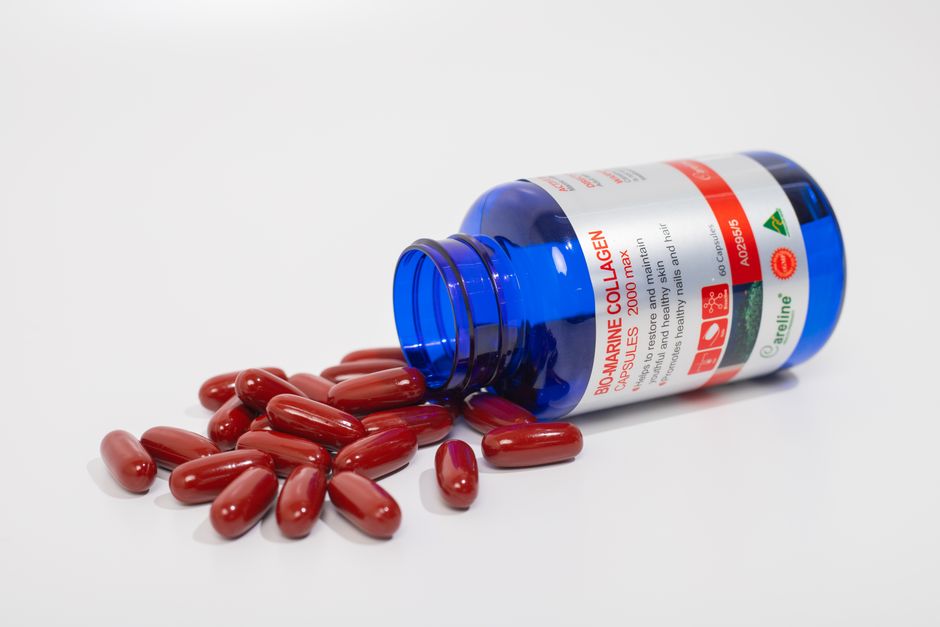
Check the source. Bovine collagen comes from cows and is the most common source of Type 1 and 3. Marine collagen comes from fish and is also rich in Type 1. Both are effective, so choose based on your dietary preferences and allergies.
Consider the form. Powder is the most common and can be mixed into coffee, smoothies, or water. Capsules are convenient but require taking multiple pills to reach a meaningful dose. There is no clinical evidence that one form is absorbed better than another.
Be realistic about expectations. Collagen supplements are not a quick fix. They require daily use for months to see any measurable benefit. The benefits are modest, and individual results vary widely. If you are looking for a dramatic transformation, collagen will not deliver that.
Frequently Asked Questions
How long does it take for collagen supplements to work?
Most studies show measurable benefits after 8 to 12 weeks of daily use. Individual results vary based on age, diet, and the specific product you take.
Can collagen supplements help with hair and nail growth?
Some studies suggest collagen may strengthen brittle nails, but evidence for hair growth is very limited. No large human trials have confirmed a direct effect on hair.
Is it safe to take collagen every day?
Yes, daily use is generally safe for healthy adults. Mild digestive discomfort is the most common side effect and often fades with continued use.
What is the difference between Type 1, 2, and 3 collagen?
Type 1 is found in skin, bones, and tendons. Type 2 is found mainly in cartilage. Type 3 is found in skin, blood vessels, and internal organs. Most supplements combine Type 1 and 3 for broad connective tissue support.
