
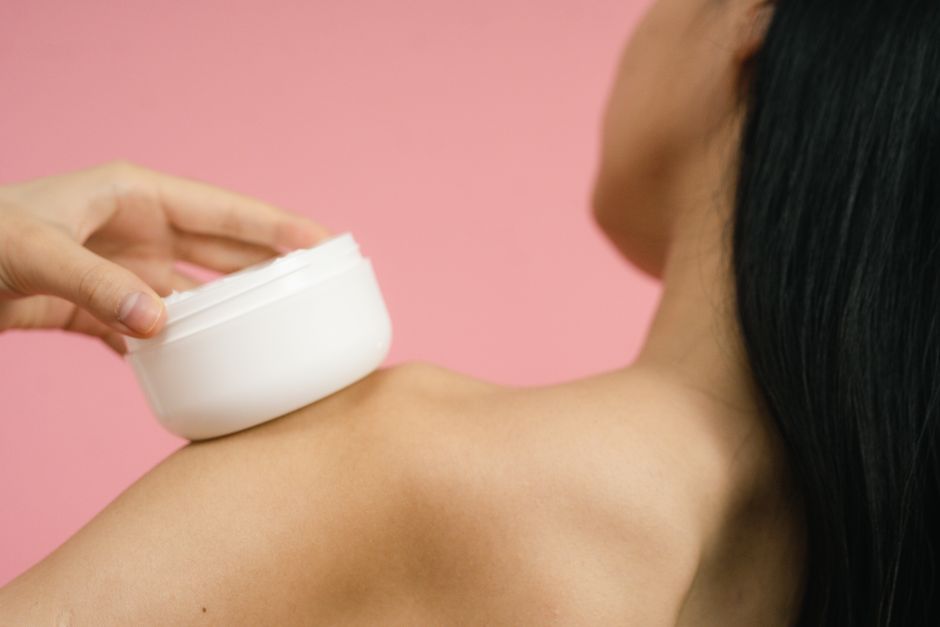
Calamine lotion does two things for a poison ivy rash: it cools the skin and dries up the weepy surface, which can make the itch feel more bearable for a short time. It does not remove the plant oil that causes the rash, it does not stop the allergic reaction, and it does not speed healing. Think of it as comfort, not treatment.
That distinction matters. Many people reach for calamine expecting it to fix the rash. Understanding what it actually does — and what it cannot do — helps you use it wisely and know when you need something stronger.
What Does Calamine Lotion Do For Poison Ivy Rash?
Calamine is a mild astringent and skin protectant. The classic pink lotion contains zinc oxide and ferric oxide (the ingredient that gives it color), suspended in a water or alcohol base. When you spread it on, the liquid evaporates and leaves a thin powder film on the skin.
That film does a few modest things:
- The evaporation creates a cooling sensation that temporarily distracts from itching.
- The zinc oxide acts as a mild astringent, which can help dry out oozing blisters.
- The powder layer forms a light barrier that may reduce friction and irritation.
What it does not do is block histamine, calm the immune response, or neutralize urushiol — the oily resin in poison ivy, oak, and sumac that triggers the reaction. So the itch relief is short-lived. Once the lotion dries and flakes off, the itch typically returns.
Some modern calamine products add pramoxine, a mild topical anesthetic, or diphenhydramine, an antihistamine. These add-ons may extend the relief a bit, but they change the product. Plain calamine is what most people picture, and plain calamine is the least active version.
Why Does Poison Ivy Itch So Much?
Poison ivy rash is a delayed allergic contact dermatitis. The culprit is urushiol, an oil found in the sap of the plant. When urushiol touches your skin, it binds to proteins in the outer skin layer. Your immune system sees the modified proteins as foreign and mounts a response.
That response is not immediate. It usually takes 24 to 72 hours after exposure for redness, swelling, and blisters to appear. The delay is why people often assume they caught poison ivy from someone else or from a pet days later. In reality, the exposure happened earlier.
The itch comes from histamine and other inflammatory chemicals released by immune cells in the skin. Histamine binds to nerve endings and triggers the sensation of itch. This is why antihistamines taken by mouth sometimes help with sleep and swelling, though they do not reliably stop the itch itself.
One important point: the fluid inside poison ivy blisters is not contagious. You cannot spread the rash by scratching, and you cannot give it to another person through contact with the blisters. The rash spreads only when urushiol remains on the skin, clothing, or tools and touches new areas.
How Should You Use Calamine Lotion on a Poison Ivy Rash?
If you choose to use calamine, apply it to clean, dry skin. Shake the bottle well — the ingredients settle. Use a cotton ball or clean fingers to dab a thin layer over the itchy areas. Let it dry. Do not rub it in.
Reapply as needed, but be aware that frequent use can leave skin very dry and flaky. Some people find the drying effect uncomfortable after a few days. If your skin starts to crack or sting, stop using it.
Do not apply calamine to broken skin, open blisters, or the eyes, mouth, or genitals. If you have already scratched the rash raw, calamine can sting and may not be appropriate.
Also, calamine is not a substitute for removing urushiol. If you know you touched poison ivy, wash the area with soap and water as soon as possible. Rubbing alcohol can also help remove the oil. Wash your clothing, tools, and anything else that may have touched the plant, because urushiol can remain active on surfaces for a long time.


What Actually Helps a Poison Ivy Rash?
Calamine offers temporary comfort. Other measures address the rash more directly.
Cool compresses. A cool, wet cloth applied to the rash can reduce swelling and calm itching. This is one of the simplest and most reliable home measures.
Oral antihistamines. Over-the-counter antihistamines like diphenhydramine can help with sleep and may reduce swelling, but they are not very effective at stopping the itch of contact dermatitis. Non-sedating antihistamines are less helpful for this type of itch.
Topical corticosteroids. Over-the-counter hydrocortisone cream can help mild rashes. For moderate to severe poison ivy, a doctor may prescribe a stronger topical steroid or a course of oral corticosteroids. Oral steroids are generally reserved for widespread or severe cases, and they must be taken exactly as prescribed — stopping too early can cause the rash to rebound.
Colloidal oatmeal baths. Soaking in lukewarm water with colloidal oatmeal may soothe irritated skin. Evidence for this is modest but it is low-risk.
Oral steroids for severe cases. If the rash covers a large area, involves the face or genitals, or is accompanied by significant swelling, see a doctor. Prescription treatment is often needed.
What does not help: scratching, hot water, and applying products that dry the skin excessively. Scratching can break the skin and lead to bacterial infection, which is a real risk with poison ivy rash.
When Should You See a Doctor for Poison Ivy?
Most poison ivy rashes resolve on their own within one to three weeks. But some situations need medical attention.
- The rash is on your face, lips, eyes, or genitals.
- You have large blisters or widespread swelling.
- The rash covers a large portion of your body.
- You develop signs of infection: increasing pain, warmth, pus, or fever.
- The rash is not improving after a week or is getting worse.
- You have trouble breathing or swallowing — this is an emergency.
Inhaled smoke from burning poison ivy can cause serious lung irritation. If you breathe in smoke from a burning plant and develop coughing, wheezing, or difficulty breathing, seek emergency care.
Does Calamine Lotion Have Any Risks?
Calamine is generally well tolerated. The most common issue is skin dryness, which can lead to irritation or cracking with frequent use. Some people develop a mild allergic reaction to the lotion itself, though this is uncommon.
If you have sensitive skin or eczema, calamine may be too drying. In that case, a plain moisturizer or a cool compress may be a better choice for comfort.
Do not use calamine on open wounds or areas of broken skin. And check the label if you are considering a product with added ingredients — pramoxine and diphenhydramine can cause allergic reactions in some people.
The Bottom Line on Calamine and Poison Ivy
Calamine lotion is a comfort measure, not a cure. It can cool the skin and help dry oozing blisters, which may make the itch feel less intense for a short time. It does not remove urushiol, stop the allergic reaction, or shorten the rash.
If you want relief that lasts longer, focus on washing off the oil early, using cool compresses, and talking to a doctor about stronger options if the rash is severe. Calamine has a place in the medicine cabinet, but it is not the main event.
Frequently Asked Questions
Does calamine lotion cure poison ivy rash?
No. Calamine lotion does not cure or shorten a poison ivy rash. It only provides temporary cooling and drying that may make the itch feel more manageable.
How long does calamine lotion relieve poison ivy itch?
Relief is typically short-lived, often lasting only until the lotion dries and flakes off. Reapplying can help, but the effect does not address the underlying allergic reaction.
Can I use calamine lotion on broken poison ivy blisters?
No. Calamine should not be applied to broken skin or open blisters. It can sting and may not be appropriate if the rash has been scratched raw.
What removes poison ivy oil from skin?
Washing with soap and water as soon as possible after exposure is the most reliable way to remove urushiol. Rubbing alcohol can also help, but it should be followed by washing with soap and water.
