
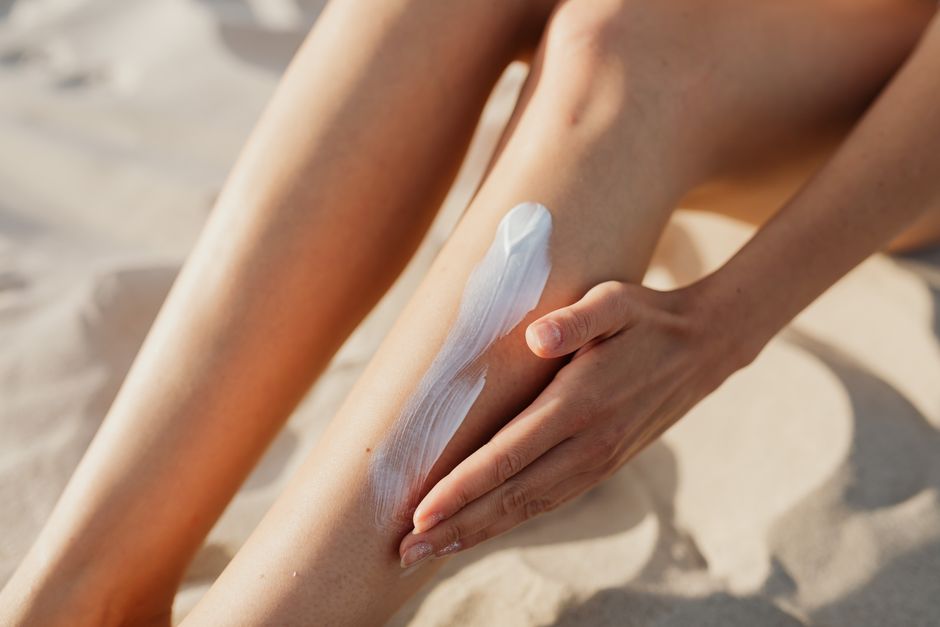
Chafing rash happens when skin rubs against skin or clothing, and the moisture from sweat makes the friction worse. To get rid of it fast, wash the area gently, pat it completely dry, and apply a barrier cream like zinc oxide or petroleum jelly to protect the damaged skin while it heals. To prevent it, reduce friction before it starts by keeping the area dry, wearing moisture-wicking fabrics, and applying an anti-chafing balm to vulnerable spots before activity.
What Exactly Causes Chafing Rash?
Chafing is a friction injury. When your skin rubs against another surface repeatedly, the top layer of skin gets irritated and inflamed. Sweat makes this worse because moisture increases the grip between skin surfaces, turning a minor rub into a painful rash quickly.
The most common areas are the inner thighs, underarms, nipples, and the groin. These are spots where skin folds over itself or where tight clothing creates constant rubbing. People who run, walk long distances, or exercise in hot weather experience it most often. But it can happen to anyone — even from wearing certain jeans or walking on a hot day.
The rash itself is a form of dermatitis. The skin becomes red, tender, and sometimes raw. In severe cases, the skin can break open, which increases the risk of infection. That is why treating it quickly and properly matters.
How To Get Rid Of Chafing Rash And Prevent It — The Fastest Way To Heal
The fastest way to heal chafing is to stop the friction and keep the area clean and dry. The moment you notice the burn, change out of damp clothing. Wash the area with mild soap and cool water to remove sweat and bacteria, then pat it dry with a clean towel. Do not rub — rubbing adds more friction to already damaged skin.
Once dry, apply a thick barrier ointment. Zinc oxide paste, often sold as diaper rash cream, works extremely well. Petroleum jelly is another solid option. These products sit on top of the skin and create a protective layer that blocks moisture and reduces further rubbing. They also help the skin heal by keeping the area hydrated without trapping bacteria.
Let the area breathe when you can. Wear loose cotton clothing or go without clothing over the affected spot at home. Most mild chafing improves within 2 to 3 days. If the skin is raw, broken, or shows signs of infection — increased pain, pus, red streaks, or warmth — see a doctor. Do not try to treat an infected wound with home remedies alone.
What Not To Put On Chafed Skin
Some common mistakes can make chafing worse. Avoid alcohol-based products, including many aftershaves and hand sanitizers. They sting and dry out the skin, which delays healing. Avoid perfumed lotions and body sprays — the fragrance can irritate broken skin further.
Do not use talcum powder or cornstarch on broken skin. While these powders can help prevent chafing on intact skin, they can clump when mixed with sweat and increase friction. On open skin, they can also introduce particles that cause irritation or infection.
Skip hydrocortisone cream unless a doctor recommends it. Chafing is not an allergic reaction or eczema. Steroid creams can thin the skin over time and are not the right treatment for a friction injury. Stick with barrier products and let the skin repair itself.





How To Prevent Chafing Before It Starts
Prevention is about managing three things: moisture, friction, and fabric choice. If you control these, you can almost always avoid chafing entirely.
Keep skin dry. Sweat is the main trigger, so drying off after a workout or shower before getting dressed makes a real difference. In humid weather, you may need to reapply powder or balm mid-day.
Wear moisture-wicking clothing. Cotton absorbs sweat and stays wet against the skin, which increases friction. Synthetic fabrics like polyester and nylon pull moisture away from the skin and dry quickly. This is why running clothes are made from these materials — it is not marketing, it is physics.
Apply an anti-chafing balm before activity. Products like BodyGlide or simple petroleum jelly create a slippery layer that reduces friction. Apply to inner thighs, underarms, and any other spot where you know you chafe. Reapply if you are exercising for more than a couple of hours or if you sweat heavily.
Wear the right fit. Clothing that is too loose can bunch up and rub. Clothing that is too tight creates direct pressure and friction. For runners, compression shorts or longer briefs that cover the inner thigh can prevent skin-on-skin contact entirely.
Does Powder Actually Help Prevent Chafing?
Powder can help, but only in specific situations. On intact, dry skin, a thin layer of talc-free powder or cornstarch absorbs sweat and reduces friction. Many runners use it successfully on their feet and inner thighs before long runs.
The key is that the skin must be completely dry when you apply it. If you put powder on damp skin, it turns into a paste that makes friction worse. For heavy sweaters, powder may only last an hour or two before it is saturated. In those cases, a balm or cream is more effective because it does not wash away with sweat.
Some research suggests that balms and creams are more reliable than powders for prolonged activity. Powders also carry a minor risk if inhaled, so avoid applying them near your face. For most people, a balm is the safer and more consistent choice.
When Chafing Rash Is Something Else
Not every rash in the groin or underarms is chafing. Fungal infections like jock itch cause itching, redness, and a ring-shaped rash. Bacterial infections can cause blisters or pus. If the rash does not improve with barrier creams and dry conditions within a few days, it may not be chafing at all.
Jock itch is common and often confused with chafing because it appears in the same areas. The main difference: chafing hurts, while jock itch itches intensely. Fungal infections require antifungal creams, not barrier ointments. If you are not sure what you have, ask a pharmacist or see a doctor for a proper diagnosis.
Allergic contact dermatitis from laundry detergent, fabric softener, or new clothing can also mimic chafing. This type of rash usually appears within hours of wearing the irritant and may include small blisters. If you recently changed detergents or wore new workout gear, consider that as a cause.
Does Diet Or Hydration Affect Chafing?
Hydration plays an indirect role. When you are dehydrated, your sweat becomes more concentrated with salt. As that sweat evaporates, it leaves salt crystals on the skin, which can increase friction and irritation. Staying well-hydrated dilutes your sweat and may reduce the abrasive effect.
There is no evidence that specific foods cause or cure chafing. Some athletes report that salty snacks or electrolyte drinks worsen chafing because they increase salt in sweat, but this is anecdotal, not proven. The practical advice is simple: drink enough water during exercise and rinse off after heavy sweating.
How Long Does Chafing Take To Heal?
Mild chafing — redness and tenderness without broken skin — typically heals in 2 to 3 days. If the skin is raw or blistered, it can take 5 to 7 days to fully heal. During that time, you should avoid the activity that caused it or protect the area with a barrier product if you must continue.
If you have diabetes or poor circulation, healing may take longer. If the area becomes infected, healing time extends and you may need medical treatment. Watch for increasing pain, swelling, warmth, or discharge. These are signs that the skin barrier has broken and bacteria have entered.
Frequently Asked Questions
What is the fastest way to heal a chafing rash?
Wash the area with mild soap, pat it dry, and apply a thick barrier cream like zinc oxide or petroleum jelly. Keep the area dry and avoid the friction-causing activity for 2 to 3 days.
Is Vaseline good for chafing?
Yes, petroleum jelly works well for both treating and preventing chafing. It creates a slippery barrier that reduces friction and locks in moisture to help damaged skin heal.
Should I pop a blister from chafing?
No, leave blisters intact. The fluid inside protects the raw skin beneath and helps it heal. If a blister breaks on its own, clean it gently and cover it with a sterile dressing.
Can chafing rash become infected?
Yes, if the skin breaks open, bacteria can enter and cause an infection. Watch for increased pain, pus, red streaks, or warmth, and see a doctor if these appear.
