
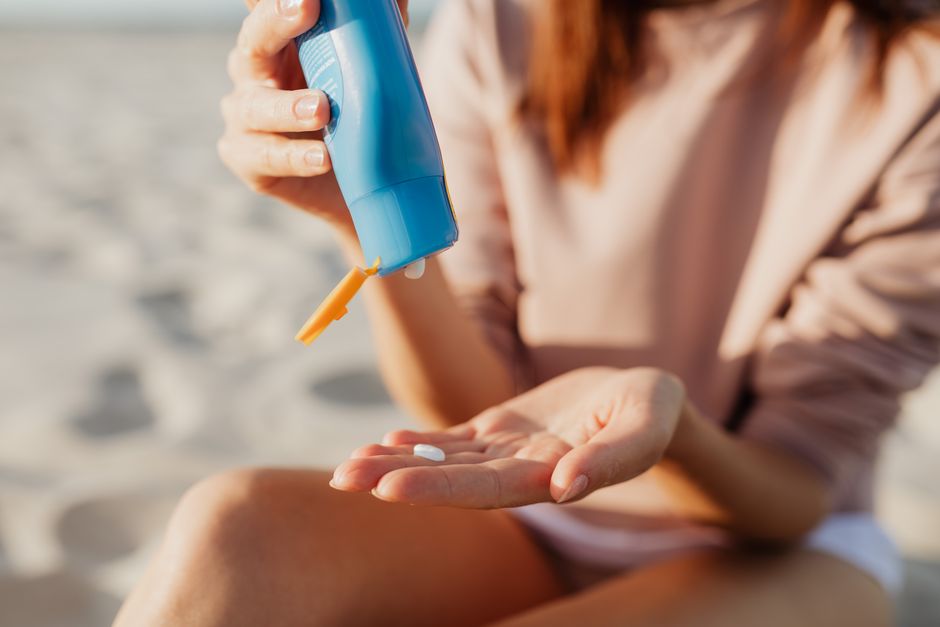
Suntan lotion is not bad for you. In fact, using it correctly is one of the most effective ways to protect your skin from sun damage. The confusion comes from the word “suntan.” Most people use “suntan lotion” to mean sunscreen, which blocks harmful UV rays. The real danger is the sun itself, not the product you use to defend against it. Sunscreen helps prevent sunburn, premature aging, and skin cancer when used properly.
What Is Suntan Lotion Actually?
The term “suntan lotion” is outdated and often used loosely. It can mean a few different products. Knowing which one you hold in your hand matters more than the name on the bottle.
Traditional suntan oil or lotion often contained little to no SPF. These products were designed to moisturize skin and sometimes accelerate tanning. They offered almost no protection from UV radiation.
Modern sunscreen is different. It contains active ingredients that absorb, scatter, or reflect UV light. These are the products dermatologists recommend for daily sun protection.
Some products sit in between. They may have a low SPF like 4 or 8. These offer minimal protection and are not considered adequate for extended sun exposure.
Always check the label. If a product does not list an SPF number, it is not sunscreen.
Is Suntan Lotion Bad For You?
No, sunscreen is not bad for you. The health risks of unprotected sun exposure are well documented and serious. Skin cancer is the most common cancer in the United States.
UV radiation damages the DNA in your skin cells. Over time, this damage accumulates. It leads to premature wrinkles, age spots, and an increased risk of skin cancer.
Regular sunscreen use reduces these risks. Studies have consistently shown that daily sunscreen use lowers the incidence of squamous cell carcinoma and melanoma.
The benefits of sun protection clearly outweigh any theoretical concerns about sunscreen ingredients.
What About The Ingredients In Sunscreen?
Concerns about sunscreen ingredients are common, especially on social media. Some worry about chemical absorption into the bloodstream. Others fear certain filters like oxybenzone.
The FDA regulates sunscreen as an over-the-counter drug in the United States. This is a stricter standard than for cosmetics. Sunscreen ingredients must demonstrate safety and effectiveness for approval.
In 2019 and 2020, FDA studies found that several chemical sunscreen ingredients are absorbed through the skin. Blood levels exceeded the FDA’s threshold for waiving certain safety studies. This does not mean the ingredients are harmful. It means more research is needed.
The FDA has proposed that two ingredients — zinc oxide and titanium dioxide — are generally recognized as safe and effective. These are physical or mineral sunscreens. They sit on the skin’s surface and reflect UV rays.
For other chemical filters, the FDA has requested additional safety data from manufacturers. This is a standard regulatory process, not evidence of harm.
Some research suggests certain chemical filters may act as endocrine disruptors. Most of this research comes from animal studies using high doses. Human studies have not confirmed meaningful health effects from typical sunscreen use.
The evidence does not support avoiding sunscreen out of fear. The evidence strongly supports using it to prevent skin cancer.





Mineral vs. Chemical Sunscreen: Which Is Better?
Both types work. They just work differently. Your choice depends on your skin type and preference.
Mineral sunscreens contain zinc oxide or titanium dioxide. They form a physical barrier on the skin. They start working immediately after application. They are less likely to irritate sensitive skin.
Chemical sunscreens absorb UV radiation and convert it to heat. They need about 15 minutes to become effective. They are often thinner and rub in more easily without leaving a white cast.
Neither type is categorically safer than the other. Both are effective when applied correctly.
Some people prefer mineral formulas because they sit on the skin rather than being absorbed. This is a reasonable preference. It is not a statement that chemical sunscreens are dangerous.
The best sunscreen is the one you will actually use consistently and in the right amount.
How To Use Sunscreen Correctly
Most people do not use enough sunscreen. This is the biggest reason sunscreen fails to protect them.
For your entire body, you need about one ounce. That is roughly the amount that fills a shot glass. For your face alone, you need about a nickel-sized amount.
Apply sunscreen 15 minutes before going outside. This gives chemical filters time to absorb. Reapply every two hours. Reapply more often if you are swimming or sweating.
No sunscreen is truly waterproof. Labels that say “water resistant” indicate how long the product maintains its SPF while in water. Typically, this is 40 or 80 minutes.
SPF measures protection against UVB rays, the ones that cause sunburn. Higher SPF numbers block slightly more UVB. SPF 30 blocks about 97% of UVB rays. SPF 50 blocks about 98%. No sunscreen blocks 100%.
SPF does not measure UVA protection. UVA rays penetrate deeper and contribute to aging and skin cancer. Look for “broad spectrum” on the label. This means the product protects against both UVA and UVB.
Sunscreen expires. Check the date on the bottle. An expired product may not provide the labeled protection.
What About Vitamin D?
Some people worry that sunscreen prevents vitamin D production. This is a common concern. The evidence does not support it.
Your body makes vitamin D when UVB rays hit your skin. Sunscreen does reduce vitamin D synthesis. However, studies show that people who use sunscreen regularly still maintain adequate vitamin D levels.
Most people get enough vitamin D from incidental sun exposure. This includes the few minutes you spend walking to your car or between buildings. You do not need to tan intentionally to make vitamin D.
If you are concerned about your vitamin D level, talk to your doctor. A blood test can measure it. Supplements are a safe and effective way to correct a deficiency without sun exposure.
Common Sunscreen Myths You Can Ignore
Social media spreads a lot of misinformation about sunscreen. Here are some claims that lack scientific support.
Myth: Sunscreen causes cancer. No study has shown this. The opposite is true. Sunscreen prevents skin cancer.
Myth: You only need sunscreen on sunny days. Up to 80% of UV rays penetrate cloud cover. You also get UV exposure through car windows and on cloudy days.
Myth: Darker skin does not need sunscreen. People with darker skin have more natural melanin protection. They still get skin cancer. They still develop sun damage. Everyone needs sunscreen.
Myth: A base tan protects you. A tan is a sign of skin damage. It provides only about SPF 3 of natural protection. That is not enough to prevent further damage.
Myth: Sunscreen is unnecessary in winter. Snow reflects up to 80% of UV rays. Skiers and winter hikers get significant sun exposure.
What The Research Actually Shows
The evidence for sunscreen’s benefits is strong. Large population studies have linked regular sunscreen use to lower skin cancer rates.
Research published in the Journal of Clinical Oncology found that daily sunscreen use reduced melanoma incidence by 50% in a long-term Australian study. Melanoma is the deadliest form of skin cancer.
Other studies have confirmed that sunscreen prevents actinic keratoses, which are precancerous skin lesions. It also slows photoaging, the premature aging caused by UV exposure.
The evidence for sunscreen harm is weak. No large human study has linked approved sunscreen ingredients to cancer, hormone disruption, or other health problems.
Regulatory agencies worldwide, including the FDA and the World Health Organization, recommend sunscreen as part of a complete sun protection strategy.
Practical Sun Protection Beyond Lotion
Sunscreen is not the only tool. It works best when combined with other protective measures.
Seek shade during peak UV hours. This is typically between 10 a.m. and 4 p.m. The sun’s rays are strongest when your shadow is shorter than you are.
Wear protective clothing. Long sleeves, wide-brimmed hats, and sunglasses block UV rays. Some clothing carries a UPF rating, which measures fabric protection.
Use sunscreen on exposed skin that clothing does not cover. This includes your face, neck, ears, hands, and the back of your neck.
Reapply sunscreen if you are outside for extended periods. One application does not last all day.
Frequently Asked Questions
Is suntan lotion the same as sunscreen?
Not always. Suntan lotion is an older term that may refer to products without SPF. Sunscreen specifically blocks UV rays and is the product you should use for sun protection.
Can sunscreen cause skin cancer?
No. No study has shown that sunscreen causes cancer. Strong evidence shows that sunscreen prevents skin cancer.
Is mineral sunscreen safer than chemical sunscreen?
Both types are safe and effective. Mineral sunscreens sit on the skin and may be better for sensitive skin. Chemical sunscreens absorb into the skin but have not been shown to cause harm in humans.
Do I need sunscreen every day?
Yes. UV exposure happens every day, even when it is cloudy or cold. Daily sunscreen use protects against cumulative skin damage and skin cancer.
