
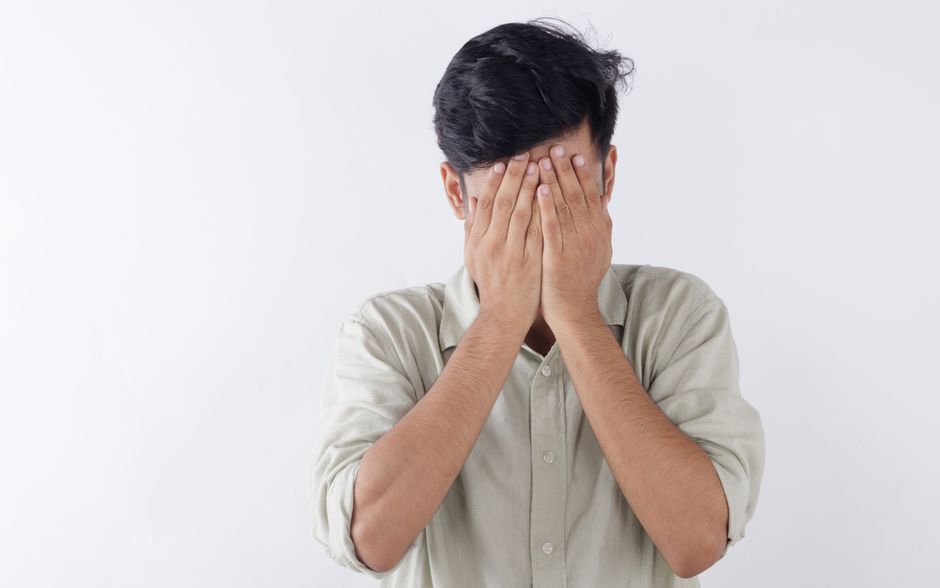
Anxiety is not just a feeling in your mind. It sets off a real physical response that can affect your heart, breathing, muscles, stomach, and skin. That response is your body’s stress system switching on — the same system that once helped humans react to danger. When it fires often or stays on too long, the physical symptoms can be hard to miss and easy to mistake for other health problems.
What Does Anxiety Physically Feel Like In Your Body?
Anxiety feels like a full-body alarm. Your heart may pound or race. Your breathing may get fast and shallow. Your muscles may tighten, your stomach may churn, and your hands may sweat or shake. Some people feel a wave of heat, dizziness, or a lump in the throat. Others feel chest pressure that is easy to confuse with a heart problem.
These sensations come from the autonomic nervous system. That is the part of your nervous system that runs automatically — heart rate, breathing, digestion, sweat, and blood flow. When your brain senses a threat, it releases stress hormones like adrenaline and cortisol. Adrenaline acts fast. It speeds up your heart, opens your airways, and sends blood toward your large muscles. Cortisol acts more slowly and keeps the system primed. This is the fight-or-flight response. It is normal and useful in short bursts. Anxiety is what happens when it turns on too easily, too often, or stays on after the danger has passed.
The symptoms are real. They are not imagined, and they are not “all in your head.” They are measurable changes in how your body works.
Why Does Anxiety Cause Physical Symptoms?
The physical symptoms of anxiety are the byproducts of a body preparing for action. When there is no action to take, that preparation has nowhere to go.
Here is what happens step by step:
- Your brain’s threat-detection center, the amygdala, flags a possible danger.
- The hypothalamus signals your adrenal glands to release adrenaline.
- Adrenaline raises heart rate, blood pressure, and breathing rate.
- Blood is redirected away from digestion and toward muscles.
- Cortisol keeps blood sugar and alertness up for a longer stretch.
Each of these changes creates a sensation you can feel. A faster heart becomes a pounding chest. Redirected blood flow becomes cold hands or a queasy stomach. Faster breathing can lower carbon dioxide levels in the blood, which causes tingling in the fingers, lips, and face, plus lightheadedness. That tingling is one of the most common and most misunderstood anxiety symptoms. It is not a sign of something dangerous — it is a sign of over-breathing.
One detail people often miss: the physical symptoms and the anxious thoughts feed each other. You notice your heart racing, you worry something is wrong, that worry releases more adrenaline, and the racing gets worse. Breaking that loop is a core goal of most anxiety treatment.
What Are The Most Common Physical Symptoms Of Anxiety?
The list is long because anxiety touches nearly every system in the body. The most frequently reported symptoms include:
- Heart and chest: pounding, racing, chest tightness, or a fluttering feeling
- Breathing: shortness of breath, feeling like you cannot get a full breath, or a tight throat
- Muscles: tension in the neck, shoulders, and jaw, plus headaches and shaking
- Stomach: nausea, butterflies, diarrhea, constipation, or loss of appetite
- Skin: sweating, flushing, cold or clammy hands, or a prickling sensation
- Head: dizziness, lightheadedness, or a feeling of being detached from your surroundings
- Sleep and energy: trouble falling asleep, waking at night, and constant fatigue
Some of these symptoms overlap with other conditions. Chest pain, shortness of breath, and a racing heart can also signal a heart or lung problem. This is why new or severe chest symptoms should be checked by a doctor rather than assumed to be anxiety. Anxiety is a common cause of chest symptoms, but it is not the only one, and it is not safe to self-diagnose.





How Is Anxiety Different From A Panic Attack?
Anxiety and panic attacks share the same physical machinery, but they differ in pattern and intensity.
Anxiety tends to build gradually. It can last hours, days, or longer, and it often attaches to a specific worry. Panic attacks are different. They peak fast — usually within minutes — and they are intense. During a panic attack, people commonly report a racing heart, chest pain, choking feelings, dizziness, sweating, trembling, and a strong fear of losing control or dying. The surge is brief but overwhelming.
Many people with an anxiety disorder have both ongoing anxiety and occasional panic attacks. Having one panic attack does not mean you have panic disorder. Panic disorder involves repeated, unexpected attacks plus ongoing worry about having another one.
When Should Physical Anxiety Symptoms Be Checked By A Doctor?
Physical symptoms that could be anxiety should still be evaluated when they are new, severe, or changing. Several conditions can produce symptoms that look like anxiety, and some of them need treatment.
Conditions that can mimic anxiety include an overactive thyroid, heart rhythm problems, low blood sugar, anemia, and the effects of caffeine or certain medications. A doctor can sort through these with a history, an exam, and basic tests.
Seek medical care promptly if you have:
- Chest pain or pressure, especially with sweating, nausea, or pain spreading to the arm or jaw
- Fainting, or near-fainting
- Severe shortness of breath at rest
- A heart rate that feels dangerously fast or irregular
These symptoms can have causes other than anxiety, and they deserve a real evaluation. Do not talk yourself out of getting checked.
Can Anxiety Cause Long-Term Physical Effects?
Ongoing anxiety keeps stress hormones elevated, and long-term elevation has measurable effects. Chronic anxiety is linked with muscle tension, headaches, digestive problems, and sleep disruption. It is also associated with higher risk of high blood pressure and heart disease.
The relationship is not simple. Anxiety often travels with other factors — poor sleep, less exercise, smoking, and alcohol use — that also affect heart health. So it is hard to say anxiety alone causes heart disease. What is clear is that persistent anxiety affects daily physical health and quality of life, and treating it tends to improve both.
What Helps Reduce The Physical Symptoms Of Anxiety?
The physical symptoms respond to the same treatments that address anxiety itself. The most studied approaches are talk therapy, medication, and lifestyle changes — often combined.
Cognitive behavioral therapy is one of the best-supported treatments for anxiety disorders. It helps people change the thought patterns that keep the stress response switched on. Medications such as selective serotonin reuptake inhibitors are also well established for anxiety disorders and are prescribed by clinicians. Benzodiazepines can calm symptoms quickly but carry a risk of dependence and are generally used short-term or in specific situations.
For day-to-day relief, slow breathing is one of the few techniques with a clear physical rationale. Slow, steady breaths — especially with a longer exhale — can counter the over-breathing that causes tingling and dizziness. Regular physical activity, limiting caffeine and alcohol, and consistent sleep all help lower baseline arousal. These steps support treatment. They are not a replacement for it when anxiety is interfering with your life.
If physical anxiety symptoms are frequent, intense, or getting in the way of work, relationships, or sleep, that is a reason to talk to a doctor or mental health professional. Effective help exists, and you do not have to manage it alone.
Frequently Asked Questions
Can anxiety cause physical symptoms without feeling anxious?
Yes. The body’s stress response can activate without obvious worried thoughts, so you may notice a racing heart or tight stomach before you register any emotional anxiety. This is common and does not mean the symptoms are not real.
Why does anxiety make my chest feel tight?
Anxiety tightens the muscles around the chest and speeds up breathing, which can create tightness or pressure. Because chest tightness can also signal a heart problem, new or severe chest symptoms should be checked by a doctor.
Is anxiety a mental illness or a physical one?
Anxiety disorders are recognized mental health conditions, but they produce genuine physical changes in heart rate, breathing, muscles, and digestion. The mind and body are not separate here — the symptoms are both.
Does anxiety ever go away on its own?
Mild, short-term anxiety often settles without treatment, especially when the trigger passes. When symptoms are frequent or interfere with daily life, professional treatment works better than waiting it out.
