
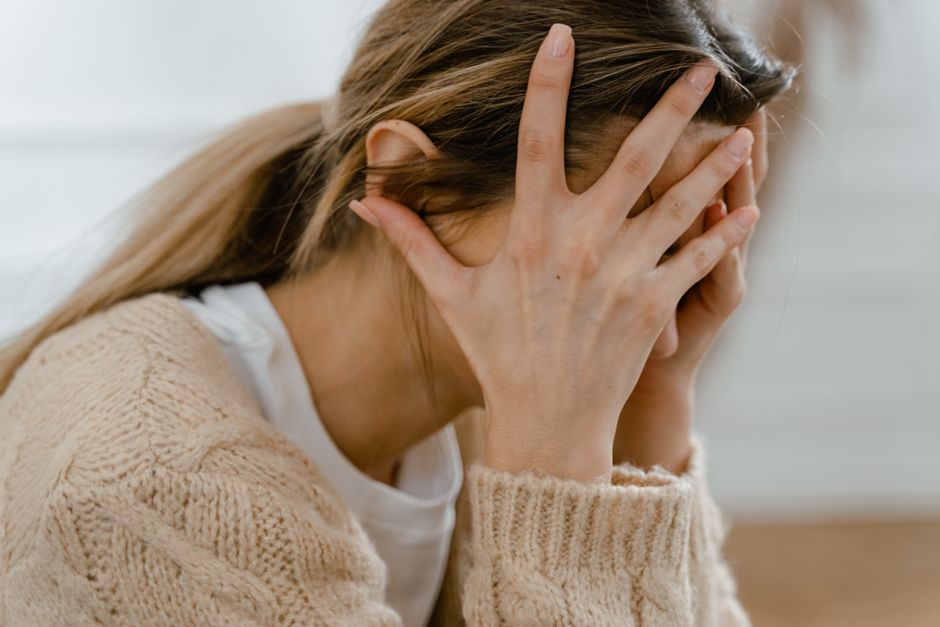
Anxiety is not just a feeling in your mind. It sets off a real, measurable chain reaction in your body — a racing heart, tight chest, churning stomach, trembling hands, and muscles that will not relax. These physical symptoms are the body’s stress response in action, and they are often the first sign that anxiety is at work.
That response is designed to protect you. When your brain senses a threat, it signals your body to prepare for action. The problem is that this system can fire even when there is no real danger, and it can stay switched on long after the moment has passed.
Why Does Anxiety Cause Physical Symptoms?
Your body has a built-in alarm system. It is often called the fight-or-flight response, and it runs through a network of nerves and hormones that connect your brain to nearly every organ in your body.
When your brain perceives a threat, it releases stress hormones including adrenaline and cortisol. Adrenaline acts fast. It speeds up your heart, opens your airways, and sends blood toward your muscles so you are ready to move. Cortisol keeps the response going by raising blood sugar and keeping your body on alert.
This system is useful when you face real danger. It becomes a problem when it triggers too often, too strongly, or in situations that are not actually threatening. That is what happens with an anxiety disorder. The alarm goes off, but there is no fire.
One detail worth knowing: the physical symptoms are not imaginary, and they are not “all in your head.” They are the result of real physiological changes you can measure — heart rate, breathing rate, muscle tension, and digestion all shift during anxiety.
What Does Anxiety Feel Like Physically?
The physical feelings of anxiety are wide-ranging and can show up in almost any part of the body. What one person notices most — a pounding heart, a knot in the stomach, or tense shoulders — may barely register for someone else.
Common physical symptoms include:
- A fast, pounding, or fluttering heartbeat
- Chest tightness or pressure
- Shortness of breath or a feeling of not getting enough air
- Dizziness or lightheadedness
- Sweating, especially in the palms or armpits
- Trembling or shaking
- Muscle tension, often in the neck, jaw, or shoulders
- Stomach upset, nausea, or “butterflies”
- Headaches
- Fatigue or trouble sleeping
- Numbness or tingling in the hands or feet
- A frequent need to use the bathroom
These symptoms can come in a sudden wave, as in a panic attack, or linger as a low-level background hum for weeks. The pattern matters. Ongoing muscle tension and fatigue often point to chronic anxiety, while a rapid surge of symptoms may point to a panic response.
How Anxiety Affects the Heart and Breathing
Anxiety speeds up the cardiovascular and respiratory systems. This is the most direct result of the stress response, and it is why so many people feel anxiety first in their chest.
Adrenaline raises your heart rate and the force of each beat. That is why you may feel your heart pounding or fluttering. Breathing also becomes faster and shallower. This can cause a feeling of breathlessness, even though your oxygen levels are usually fine.
Fast breathing can lower the level of carbon dioxide in your blood. That shift is what causes many of the sensations people find most frightening — dizziness, tingling in the fingers or around the mouth, and a sense that something is seriously wrong. The symptoms are uncomfortable, but they are the result of a change in breathing, not a sign of a heart problem.
This matters because chest tightness and a racing heart can feel alarming. If you have new or concerning chest symptoms, it is reasonable to have them checked by a medical professional. Anxiety and heart conditions can produce similar sensations, and only a clinician can tell them apart.





How Anxiety Affects the Stomach and Digestion
Anxiety and the gut are tightly linked. The two communicate constantly through a pathway often called the gut-brain axis.
When the stress response is active, blood flow shifts away from the digestive system and toward the muscles. Digestion slows or speeds up unpredictably. That is why anxiety commonly causes nausea, stomach cramps, bloating, diarrhea, or constipation.
This connection helps explain why so many people feel anxiety in their stomach before a stressful event. It is not a coincidence or a weakness. It is the body redirecting its resources based on what the brain signals.
What Does an Anxiety Attack Feel Like Physically?
A panic attack is a sudden surge of intense fear that peaks within minutes. It comes with strong physical symptoms that can feel overwhelming.
During a panic attack, people commonly report a pounding heart, chest pain, choking sensations, sweating, shaking, shortness of breath, dizziness, and a feeling of unreality. Many describe a fear of losing control or of dying. The symptoms are real and intense, but a panic attack is not dangerous in itself.
Panic attacks can happen with several anxiety disorders and sometimes with no clear trigger. Having one does not mean you have a specific diagnosis. A medical professional can help sort out what is going on.
When Physical Symptoms Point to Something Else
Many physical conditions can cause symptoms that look like anxiety. This is one reason anxiety is sometimes missed, and sometimes over-guessed.
An overactive thyroid, heart rhythm problems, low blood sugar, anemia, and some medications can all produce a racing heart, sweating, or trembling. Caffeine and some stimulants can trigger similar feelings. So can alcohol withdrawal.
Because so many conditions overlap, it is not possible to tell from symptoms alone whether anxiety is the cause. A clinician may check things like thyroid function, blood counts, and heart rhythm to rule out other explanations. If you are unsure what is driving your symptoms, that is a reasonable reason to seek an evaluation.
What Helps With the Physical Side of Anxiety
Because the physical symptoms come from a real stress response, they often respond to approaches that calm that response. The evidence for some approaches is stronger than for others, and it helps to know the difference.
Slow, steady breathing is one of the most accessible tools. Slowing your breath can help reverse the changes in carbon dioxide that drive dizziness and tingling. This is a well-established way to ease acute symptoms, though it is not a treatment for an anxiety disorder on its own.
Regular physical activity, consistent sleep, and limiting caffeine are commonly recommended and have reasonable support for reducing anxiety symptoms over time. The evidence varies by approach, and results differ from person to person.
For ongoing or severe anxiety, talk therapy and medication are the treatments with the strongest evidence. Cognitive behavioral therapy in particular has a large body of research behind it. Some clinicians also recommend other approaches, but the strength of evidence is not equal across all of them.
If anxiety is interfering with your daily life, sleep, or relationships, it is worth talking with a doctor or mental health professional. Effective help exists, and reaching out is a reasonable step, not an overreaction.
Frequently Asked Questions
Can anxiety really cause physical symptoms?
Yes. Anxiety triggers a real stress response that changes your heart rate, breathing, muscle tension, and digestion, which produces genuine physical symptoms.
What does anxiety feel like in your chest?
It often feels like tightness, pressure, a pounding heart, or fluttering. Because chest symptoms can also signal a heart problem, new or concerning ones should be checked by a medical professional.
How long do physical anxiety symptoms last?
They can last from a few minutes during a panic surge to days or weeks when anxiety is ongoing. Duration varies widely, so there is no single timeline that applies to everyone.
Does anxiety cause stomach problems?
Yes. Through the gut-brain connection, anxiety commonly causes nausea, cramps, bloating, and changes in bowel habits. These symptoms are real and tied to how the stress response affects digestion.
