
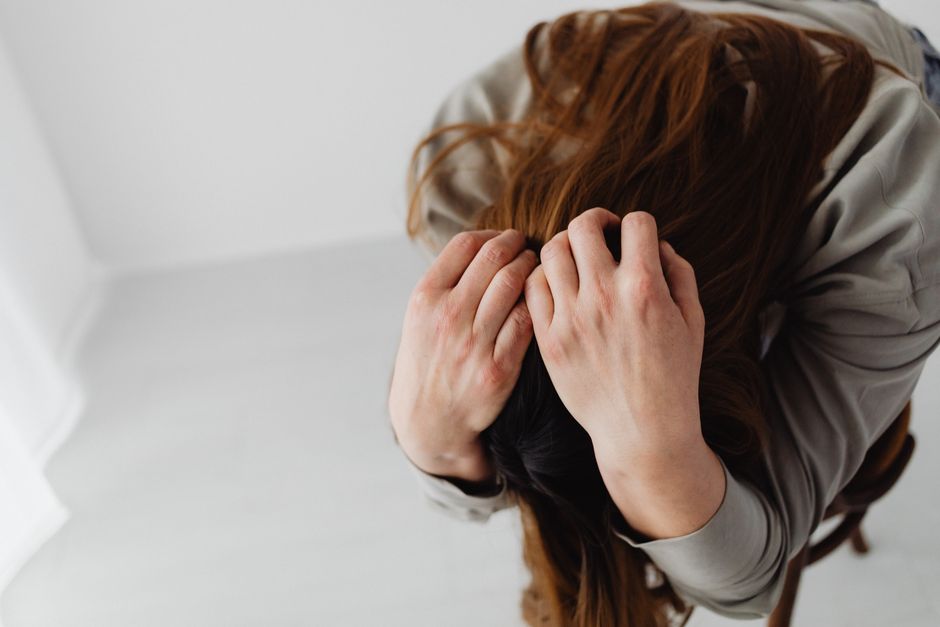
Anxiety is not just a feeling in your head. It is a full-body experience that can show up as a racing heart, tight chest, churning stomach, and tense muscles all at once. Your mind may race with worry while your body feels like it is bracing for a threat that is not actually there. This is because anxiety activates your nervous system’s fight-or-flight response, flooding your body with stress hormones even when no real danger exists.
What Exactly Happens in Your Body During Anxiety?
When anxiety strikes, your body reacts as if it is facing a physical threat. Your brain sends a signal to your adrenal glands to release adrenaline and cortisol. These hormones prepare you to fight or run. Your heart beats faster to pump blood to your muscles. Your breathing speeds up to get more oxygen. Your digestion slows down because your body thinks survival is more important than digesting food.
This response is useful if you are actually in danger. But anxiety can trigger it when you are just sitting at your desk or lying in bed. The body does not know the difference between a real threat and a perceived one. So you end up with the physical symptoms of fear without any actual danger to escape from.
Research published in the journal Nature Reviews Neuroscience confirms that the amygdala, a small part of your brain, plays a central role in this process. It acts as an alarm system. Once it sounds the alarm, your body follows whether you want it to or not.
How Can Anxiety Make You Feel In Body And Mind?
The physical sensations of anxiety are wide-ranging and can vary from person to person. Some people feel a tight band around their chest. Others feel a lump in their throat or butterflies in their stomach. Muscle tension is extremely common, especially in the shoulders, neck, and jaw. You might clench your teeth without realizing it or feel a headache building by the end of the day.
On the mental side, anxiety often feels like a runaway train of worry. Your thoughts may jump from one fear to the next without stopping. You might struggle to concentrate because your brain is constantly scanning for threats. This is called hypervigilance. It is exhausting and can make simple tasks feel overwhelming.
Some people report feeling detached from their own body or surroundings. This is called derealization or depersonalization. It can be frightening but is actually a protective response from your brain. When the stress is too much, your brain tries to distance you from it. The National Institute of Mental Health notes that these experiences are common during high anxiety and are not dangerous on their own.
What Does Research Show About the Mind-Body Connection in Anxiety?
Studies have found that anxiety changes how your brain and body communicate. The gut-brain connection is one of the most well-documented examples. Your gut has its own nervous system called the enteric nervous system. It contains over 100 million neurons. When your brain signals stress, your gut responds. This is why anxiety often causes nausea, diarrhea, or stomach pain.
Research from Harvard Medical School shows that people with chronic anxiety have higher levels of inflammation in their bodies. This is measured by markers like C-reactive protein. The link between anxiety and inflammation is not fully understood yet. But evidence suggests that long-term anxiety may put extra strain on your cardiovascular system as well.
A study in the Journal of the American Heart Association found that people with anxiety disorders have a higher risk of heart disease. This does not mean anxiety causes heart disease directly. But the chronic activation of the stress response likely contributes over time. Your heart rate and blood pressure stay elevated longer than they should.




What Are the Most Common Physical Symptoms of Anxiety?
The physical symptoms of anxiety are real physiological events. They are not imagined. Here are some of the most commonly reported ones:
- Rapid heartbeat or palpitations – Your heart may pound, race, or skip beats. This happens because adrenaline increases your heart rate. Most palpitations are harmless but should be checked by a doctor if they are new or severe.
- Shortness of breath – You may feel like you cannot get enough air. This is often from shallow breathing or hyperventilation. Your body is trying to take in more oxygen even though you do not need it.
- Chest tightness or pain – Muscle tension in your chest wall can create a squeezing sensation. This can be mistaken for a heart attack. If you have chest pain, always get medical help to rule out other causes.
- Nausea or stomach distress – Anxiety diverts blood flow away from your digestive system. This can cause cramping, bloating, or the urge to vomit.
- Trembling or shaking – Your muscles tense up and may start to shake. This is your body releasing built-up energy from the stress response.
- Sweating and hot flashes – Your body cools itself in anticipation of physical exertion. You may sweat even while sitting still.
- Dizziness or lightheadedness – Rapid breathing changes the balance of oxygen and carbon dioxide in your blood. This can make you feel faint.
How Long Do Anxiety Symptoms Typically Last?
Anxiety symptoms can last anywhere from a few minutes to several hours. An acute anxiety episode, often called a panic attack, usually peaks within 10 minutes and fades over the next 20 to 30 minutes. But the physical sensations can linger longer. Your muscles may stay tense for hours after the mental worry has passed.
Chronic anxiety is different. It is not a single episode but a persistent state. Your body may never fully return to a relaxed baseline. This is called generalized anxiety disorder when it lasts for six months or more. The CDC reports that about 15 percent of US adults experience some form of anxiety disorder in a given year. Many of them describe feeling like they are always on edge.
Your nervous system has a built-in recovery mechanism called the parasympathetic response. It helps you calm down after stress. But if anxiety is frequent or constant, this system gets less chance to work. Over time, your body may forget how to fully relax. This is why chronic anxiety can feel like a physical weight you carry every day.
What Actually Helps Calm the Physical Symptoms of Anxiety?
There are several strategies that research supports for reducing the body’s anxiety response. They do not require medication, though medication can be helpful for some people. The key is to work with your nervous system, not against it.
Deep breathing is one of the most effective tools. Slow, deliberate breaths activate the vagus nerve, which signals your body to calm down. Try breathing in for four seconds, holding for four seconds, and exhaling for six seconds. This pattern shifts your body out of fight-or-flight mode.
Progressive muscle relaxation helps release physical tension. You systematically tense and then relax each muscle group in your body. Start with your feet and work up to your face. This teaches your body what relaxation feels like again.
Grounding techniques can bring your mind back to the present. The 5-4-3-2-1 method is widely used. Name five things you can see, four things you can touch, three things you can hear, two things you can smell, and one thing you can taste. This forces your brain to focus on sensory input instead of anxious thoughts.
Regular exercise helps burn off stress hormones. Even a 20-minute walk can lower cortisol levels. Exercise also releases endorphins, which are natural mood lifters. The American Psychological Association states that consistent physical activity is one of the most reliable ways to reduce anxiety over time.
| Method | How It Works | Time to Effect | Evidence Level |
|---|---|---|---|
| Deep breathing | Activates vagus nerve, slows heart rate | 1-3 minutes | Strong |
| Progressive muscle relaxation | Releases physical tension systematically | 10-15 minutes | Moderate to strong |
| Grounding techniques | Redirects focus to present sensory input | Immediate | Moderate |
| Regular exercise | Lowers baseline cortisol, improves mood | Weeks to months | Strong |
| Cognitive behavioral therapy | Changes thought patterns that trigger anxiety | Weeks to months | Strong |
What to Avoid When Anxiety Feels Overwhelming
Some common coping strategies actually make anxiety worse in the long run. Avoid alcohol and caffeine when you are feeling anxious. Alcohol may calm you temporarily but it disrupts sleep and can increase anxiety the next day. Caffeine stimulates your nervous system and can mimic or worsen anxiety symptoms.
Avoid trying to suppress or ignore your feelings. Telling yourself to just stop worrying rarely works. Your brain interprets suppression as a signal that the threat is real. Instead, acknowledge what you are feeling. Say to yourself, I notice my heart is racing and I feel scared. This validates the experience without feeding it.
Avoid relying on reassurance-seeking. Asking others if you will be okay or if something bad will happen can become a compulsion. It provides temporary relief but keeps your brain dependent on external safety signals. A therapist can help you break this cycle.
When Should You Seek Professional Help?
Anxiety becomes a problem when it interferes with your daily life. If you are avoiding work, social events, or routine activities because of anxiety, it is time to talk to a professional. The same is true if your physical symptoms are severe enough to send you to the emergency room repeatedly.
Primary care doctors can screen for anxiety and rule out medical conditions that mimic it. Thyroid disorders, heart arrhythmias, and vitamin deficiencies can cause symptoms similar to anxiety. Once other causes are ruled out, a mental health professional can offer treatments like cognitive behavioral therapy, which has strong evidence of effectiveness.
Medication is an option for some people. SSRIs and SNRIs are commonly prescribed for anxiety disorders. They are not fast-acting. They take several weeks to build up in your system. But they can reduce the intensity of both physical and mental symptoms. The decision to take medication should be made with a doctor who knows your full health history.
Frequently Asked Questions
Can anxiety cause physical pain that feels like a heart attack?
Yes, anxiety can cause chest tightness, pressure, and pain that mimics a heart attack. Always seek emergency care for chest pain to rule out cardiac causes before assuming it is anxiety.
How long does it take for anxiety symptoms to go away?
Acute symptoms from a panic attack usually fade within 20 to 30 minutes. Chronic anxiety symptoms may persist for hours or days without treatment.
Does anxiety cause weight loss or weight gain?
Anxiety can cause both depending on the person. Some people lose weight from reduced appetite, while others gain weight from stress eating or hormonal changes.
Can anxiety make you feel like you are going crazy?
Many people with anxiety report feeling detached from reality or like they are losing control. These feelings are common and not a sign of serious mental illness on their own.
