
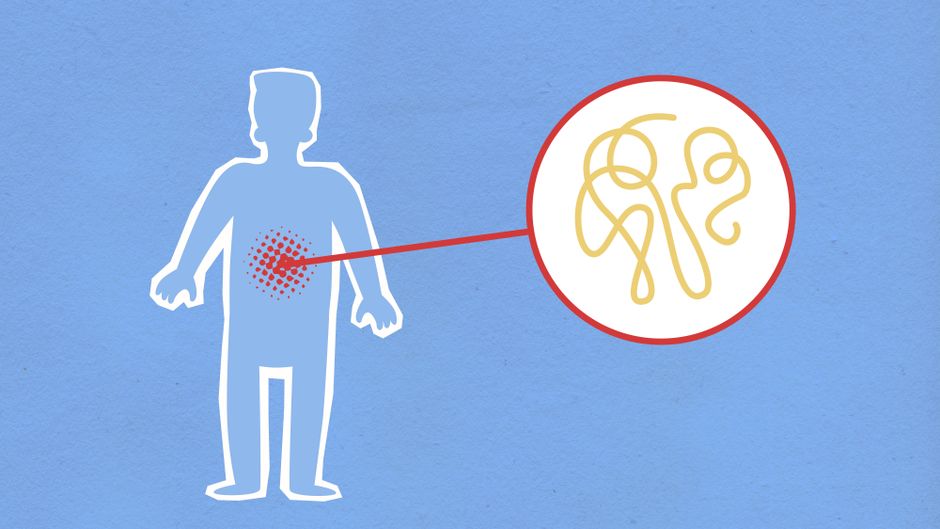
An ulcer in your stomach looks like an open sore or raw patch in the lining of the stomach wall. It is a break in the protective mucosal layer that exposes the tissue underneath. If you could see it directly, it would appear as a round or oval crater with inflamed, red edges and a pale or yellowish center. Most people never see theirs — the diagnosis comes from an endoscopy, where a doctor views it through a camera.
What Does an Ulcer Actually Look Like Inside the Stomach?
During an upper endoscopy, a stomach ulcer typically appears as a discrete lesion — a break in the smooth, pinkish mucosal surface. It may be small, just a few millimeters across, or larger. The base often looks whitish or yellow because of a layer of dead tissue and inflammatory cells. The surrounding tissue looks red and swollen.
Ulcers can be singular or multiple. They can appear in the stomach itself (gastric ulcers) or in the first part of the small intestine just past the stomach (duodenal ulcers). Duodenal ulcers are more common. The visual appearance is similar in both locations.
Doctors sometimes describe the base of an ulcer as looking like it has a “clean” or “dirty” coating. A clean base is often a sign of healing or a less aggressive lesion. A base covered with dark material or blood suggests active bleeding or recent bleeding. These visual details help the doctor decide whether to take a biopsy and how urgently to treat.
One important point: you cannot see a stomach ulcer from the outside. No amount of pressing on your abdomen will reveal it. The symptoms a person feels do not reliably match what the ulcer looks like or how big it is. Some people with large ulcers feel almost nothing. Others with small ulcers have significant pain.
What Symptoms Suggest You Might Have a Stomach Ulcer?
The most common symptom is a burning or gnawing pain in the upper abdomen, somewhere between your belly button and breastbone. It may come and go. For some people, the pain gets worse when the stomach is empty and improves after eating. For others, eating makes it worse. The pattern is not consistent enough to diagnose an ulcer on symptoms alone.
Other symptoms can include:
- A feeling of fullness or bloating
- Mild nausea
- Belching
- Poor appetite or feeling full quickly
- Heartburn or indigestion that does not respond to usual remedies
Many people with ulcers have no symptoms at all. This is more common than most people realize. An ulcer may be found incidentally during an endoscopy done for another reason.
Some symptoms are warning signs that need urgent medical attention. Vomiting blood or material that looks like coffee grounds, black tarry stools, sudden severe abdominal pain, or feeling faint or weak can indicate bleeding or a perforation. These are emergencies. Call 911 or go to an emergency room immediately.
What Causes Stomach Ulcers?
The two main causes are infection with Helicobacter pylori bacteria and long-term use of nonsteroidal anti-inflammatory drugs (NSAIDs).
H. pylori is a bacterium that can live in the stomach’s acidic environment. It weakens the protective mucus layer and causes inflammation. Research consistently shows that a large proportion of stomach and duodenal ulcers are linked to this infection. Not everyone who carries H. pylori develops an ulcer — most do not — so other factors are involved.
NSAIDs include ibuprofen, naproxen, aspirin, and prescription drugs like diclofenac. These medications reduce substances that protect the stomach lining. Regular use, especially at higher doses or over long periods, increases ulcer risk. This risk applies even to over-the-counter NSAIDs.
Less common causes include:
- Zollinger-Ellison syndrome, a rare condition that causes excess acid production
- Serious physical stress, such as from major surgery, burns, or critical illness
- Crohn’s disease affecting the stomach or duodenum
- Certain other medications, including some used for osteoporosis
Stress and spicy food do not cause ulcers. That is a persistent myth. Stress and diet can irritate existing ulcers and make symptoms worse, but they are not the root cause. This distinction matters because it shifts treatment away from blaming lifestyle and toward treating the actual cause.





How Do Doctors Tell the Difference Between an Ulcer and Other Conditions?
Symptoms alone are not enough. Many conditions cause similar upper abdominal pain — acid reflux, gastritis, gallbladder disease, irritable bowel syndrome, and even heart conditions. A doctor needs objective evidence.
The most direct method is upper endoscopy. A thin tube with a camera is passed through the mouth into the stomach and duodenum. The doctor can see the ulcer directly, note its appearance, and take tissue samples if needed. Biopsy is often done for gastric ulcers to rule out cancer, because some stomach cancers can look like benign ulcers.
Other tests may include:
- Blood, stool, or breath tests for H. pylori
- Stool tests for hidden blood
- Blood tests for anemia, which can result from slow bleeding
Imaging like a barium swallow X-ray is used less often now that endoscopy is widely available. It can show an ulcer as a crater or niche in the stomach wall, but it does not allow biopsy.
A doctor may also ask about NSAID use, alcohol consumption, and smoking. Smoking slows ulcer healing and increases the chance of recurrence. Alcohol can irritate the stomach lining and worsen symptoms.
What Does an Ulcer Look Like When It Is Healing?
A healing ulcer looks different from an active one. The inflammation around the edges decreases. The base becomes cleaner and less coated. The crater gradually fills in as new mucosal tissue forms. On follow-up endoscopy, a healed ulcer may appear as a small scar or a slightly depressed area with normal surrounding tissue.
Healing time varies. With appropriate treatment, many ulcers show significant improvement within a few weeks. Complete healing may take longer, especially for larger ulcers or those caused by ongoing NSAID use. Doctors sometimes recommend a repeat endoscopy to confirm healing, particularly for gastric ulcers.
It is important to finish the full course of treatment even if symptoms go away. Symptoms often improve before the ulcer is fully healed. Stopping treatment early can lead to recurrence.
What Treatment Looks Like for a Stomach Ulcer
Treatment depends on the cause. If H. pylori is present, the standard approach is a combination of antibiotics and acid-suppressing medication. This is called eradication therapy. Regimens vary by region and resistance patterns. A doctor will choose based on current guidelines and local resistance data.
If NSAIDs are the cause, the first step is usually to stop or reduce them. A doctor may recommend alternatives for pain relief. Acid-suppressing drugs, called proton pump inhibitors, are commonly prescribed to help the ulcer heal.
Other measures that support healing include:
- Avoiding smoking
- Limiting alcohol
- Managing stress, which can affect symptoms even if it does not cause the ulcer
Some clinicians recommend avoiding foods that trigger symptoms, but there is no specific diet proven to heal ulcers. A bland diet may help with comfort but does not treat the underlying cause.
Surgery is rarely needed now. It may be considered for complications like perforation, severe bleeding that cannot be controlled through endoscopy, or obstruction. These are uncommon with modern treatment.
When Should You See a Doctor?
See a doctor if you have persistent upper abdominal pain, especially if it wakes you at night or does not improve with over-the-counter antacids. Also see a doctor if you notice black or tarry stools, vomit blood or coffee-ground material, feel unusually weak or dizzy, or have unexplained weight loss.
If you take NSAIDs regularly and have stomach pain, talk to your doctor. Do not stop prescription medications without medical guidance, but do discuss your symptoms.
An ulcer is a treatable condition in most cases. The key is getting an accurate diagnosis. Symptoms alone cannot tell you whether you have an ulcer, what type it is, or what is causing it. Endoscopy remains the most reliable way to see what is actually happening in your stomach.
Frequently Asked Questions
Can you see a stomach ulcer without an endoscopy?
No, you cannot see a stomach ulcer from the outside or through imaging that does not use a camera. Endoscopy is the only way to directly visualize an ulcer and take a biopsy if needed.
Do stomach ulcers always cause pain?
No, many people with stomach ulcers have no symptoms at all. When pain does occur, it is often a burning or gnawing feeling in the upper abdomen, but the pattern varies.
Can stress cause a stomach ulcer?
Stress does not cause ulcers, but it can make symptoms worse and slow healing. The main causes are H. pylori infection and NSAID use.
How long does it take for a stomach ulcer to heal?
With treatment, many ulcers show significant healing within a few weeks. Complete healing may take longer depending on size, cause, and whether NSAID use continues.
