
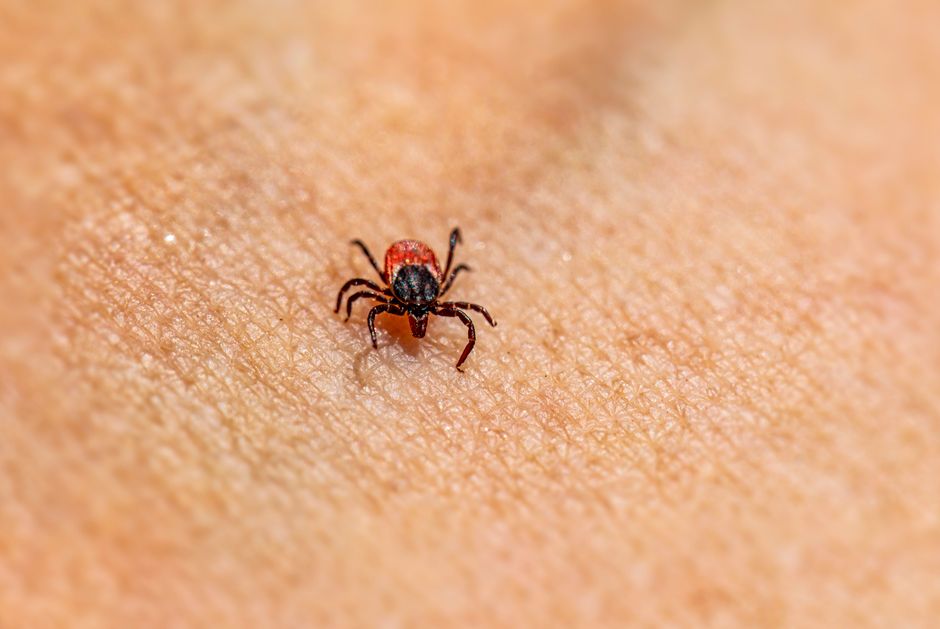
A tick bite often fades to a small, flat red or pink mark within a week. In many cases, it looks like a tiny bruise or a minor skin irritation. However, some bites develop into a distinctive red ring that expands outward, which is a sign of Lyme disease. Knowing the difference between a normal healing bite and a concerning one is important for your health.
What Does A Tick Bite Look Like After A Week?
After seven days, a typical tick bite usually shrinks. The initial redness from the bite itself often calms down. You might see a small, firm bump or a slightly discolored patch of skin no larger than a dime. This is simply the skin healing from the physical puncture.
If the tick carried a disease, the appearance changes. The most well-known sign is the erythema migrans (EM) rash. This rash often looks like a bullseye, but it does not always. It can appear as a solid red oval that expands over time. Crucially, this rash is usually not painful or itchy. It grows larger than 2 inches in diameter and does not fade after a few days.
Why Do Some Tick Bites Leave a Mark for Weeks?
Your skin reacts to the tick’s saliva. That saliva contains compounds that prevent blood clotting and numb the area so you do not feel the bite. The immune system responds to these foreign proteins, causing localized inflammation. This is why a red bump can linger.
In some cases, a condition called tick bite granuloma develops. This is a firm, raised nodule that can last for several weeks or even months. It is a foreign-body reaction, not an infection. It can be itchy or tender but is generally harmless and eventually resolves on its own.
Another reason for a persistent mark is simple skin trauma. Scratching the bite can break the skin and lead to a secondary bacterial infection, which prolongs redness and swelling. Keeping the area clean and avoiding scratching is the best way to prevent this.
How to Spot the Lyme Disease Rash
The classic Lyme disease rash is a key indicator. Research consistently shows that the EM rash appears in most, but not all, cases of Lyme disease. It typically develops within 3 to 30 days after the tick bite.
The rash has specific characteristics that differ from a normal bite reaction:
- Size: It expands over several days and typically reaches more than 2 inches across. A normal bite reaction stays small.
- Appearance: It may be a solid red patch or a ring with a clear center (bullseye). It can also have a blistered center.
- Sensation: It is usually not itchy or painful, which distinguishes it from a typical insect bite.
- Duration: It persists for several days and does not improve with antihistamines or hydrocortisone cream.
If you see a rash with these features, take a photo with a ruler next to it. Documenting the size and date helps doctors make an accurate diagnosis. The rash can sometimes be faint and easily missed, especially on darker skin tones.




Other Tick-Borne Illnesses and Their Skin Signs
Lyme disease is not the only concern. Other tick-borne infections produce different skin symptoms. Recognizing these can help you seek the right treatment quickly.
Rocky Mountain Spotted Fever (RMSF) causes a different rash. It usually starts on the wrists and ankles as small, flat, pink spots. It then spreads to the palms and soles. This rash typically appears about 2 to 5 days after fever starts. RMSF is a serious illness that requires prompt antibiotic treatment.
Ehrlichiosis and Anaplasmosis rarely cause a distinctive rash. Less than a third of patients develop any rash at all. When they do, it is often a general red rash that is not specific to the disease. Fever, headache, and muscle aches are the more common symptoms.
Southern Tick-Associated Rash Illness (STARI) produces a rash very similar to the Lyme disease EM rash. It is linked to the Lone Star tick. The rash appears around the bite site and expands. Unlike Lyme disease, STARI does not appear to cause the long-term joint or neurological complications that Lyme can.
When a Tick Bite Looks Infected
A tick bite can become infected with common skin bacteria, just like any other wound. This is different from a tick-borne disease. The signs of a bacterial skin infection are clear:
- Increasing redness that spreads beyond the initial bite area
- Warmth around the bite
- Yellow or green pus draining from the site
- Increasing pain or tenderness
- Red streaks extending up the limb
If you notice these signs, you need medical attention. A bacterial skin infection requires antibiotics. This is not something that resolves on its own.
Fever, chills, and body aches that develop within a few weeks of a tick bite are also red flags. These systemic symptoms suggest the infection has spread beyond the skin. You should see a doctor even if you never found a tick or saw a rash.
What to Do If You Find a Tick or a Rash
If you recently removed a tick and now see a rash, do not wait. Early treatment for Lyme disease is highly effective. Delaying treatment increases the risk of complications like arthritis, facial palsy, and memory problems.
Here is the practical approach:
- Photograph the rash: Take a clear picture with a ruler or coin for scale.
- Mark the date: Note when you removed the tick and when the rash appeared.
- See a healthcare provider: Tell them about the tick bite and show them the photos.
- Do not use antibiotic ointment on the rash: This treats surface bacteria, not tick-borne diseases.
- Do not apply heat or ice: This will not change the outcome and can confuse the clinical picture.
Your doctor may prescribe antibiotics based on the rash alone. The EM rash is a clinical diagnosis. Blood tests for Lyme disease often come back negative in the first few weeks because the body has not yet produced antibodies. A negative early test does not rule out Lyme disease.
Prevention for Future Bites
Preventing tick bites is more reliable than treating their consequences. Ticks live in grassy, brushy, and wooded areas. They also survive in gardens and yards, especially where leaf litter accumulates.
Use an EPA-registered insect repellent containing DEET, picaridin, or oil of lemon eucalyptus. Treat clothing and gear with permethrin, which kills ticks on contact. After spending time outdoors, check your entire body for ticks. Pay special attention to the scalp, behind the ears, under the arms, inside the belly button, and behind the knees.
Showering within two hours of coming indoors can wash off unattached ticks. Tumble dry clothes on high heat for at least 10 minutes to kill any ticks hiding in the fabric. These steps significantly reduce your risk of tick-borne illness.
Frequently Asked Questions
Does a tick bite always leave a bullseye rash?
No. The bullseye rash appears in some, but not all, cases of Lyme disease. A solid expanding red rash is equally common.
How long does a normal tick bite mark last?
A typical bite reaction usually fades within a few days to two weeks. A mark lasting longer may be a granuloma or a sign of infection.
When should I see a doctor for a tick bite?
See a doctor if you develop a rash that expands, a fever, flu-like symptoms, or any sign of skin infection within 30 days of a tick bite.
Can a tick bite itch after a week?
Yes, some itching is normal as the skin heals. However, a rash that expands and is not itchy is more concerning for Lyme disease.
