
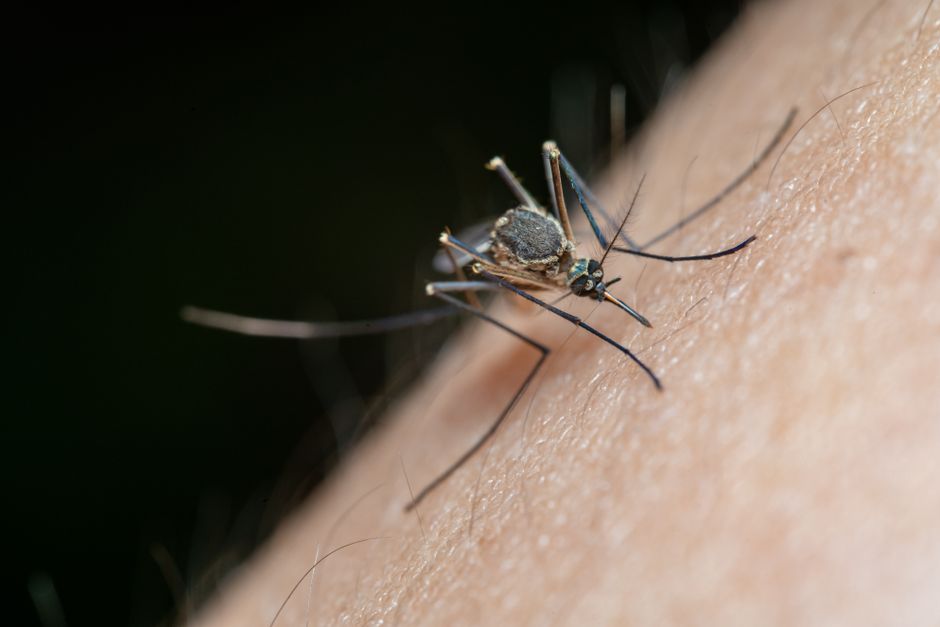
Yes, mosquitoes can bite through clothing. It depends entirely on the fabric. Tight-weave denim and thick wool stop them. Thin cotton, spandex, and most athletic wear do not. A mosquito’s proboscis — the needle-like mouthpart — is long enough to pierce loose weaves and press through tight-fitting fabrics. The real question is not if they can bite through clothes. It is which clothes actually stop them and why most people get it wrong.
How Do Mosquitoes Bite Through Fabric?
A mosquito does not chew through fabric. It uses six needle-like stylets inside its proboscis to probe for blood vessels. These stylets are flexible and sharp. When fabric is thin or stretched tight against skin, the mosquito pushes its proboscis between the fibers. It does not tear the cloth. It slips through.
Research published in the Journal of Medical Entomology found that Aedes aegypti mosquitoes — the ones that spread dengue and Zika — can penetrate fabrics with a thickness of up to 2 millimeters under the right conditions. That is roughly the thickness of two stacked pennies. Most cotton t-shirts are thinner than that.
Fabric weave matters more than fabric type. A loose knit or open weave gives mosquitoes easy access. Tight weaves, like those in denim or tightly woven polyester, force the proboscis to bend or break. The mosquito usually gives up.
What Fabrics Stop Mosquitoes Best?
Studies have tested dozens of fabrics. The results are consistent. Thick, loose-fitting, tightly woven fabrics work best. Denim is nearly impenetrable. Heavy canvas and thick fleece also block bites. Nylon ripstop, used in many outdoor pants, stops mosquitoes if it is not stretched tight over skin.
The U.S. military has studied this for decades. The Army’s research on insect-repellent fabric treatments shows that 100% cotton t-shirts offer almost no protection. A mosquito can bite through a dry cotton tee in under a second. The same test showed that polyester-cotton blends performed slightly better but still failed under pressure — literally. When fabric is pressed against skin, the mosquito’s job gets easier.
A 2013 study in the journal Parasites & Vectors tested 10 common fabrics. The only ones that completely blocked bites were denim and a thick fleece blend. Every other fabric — cotton, linen, silk, polyester, spandex — allowed bites through at least some test sites.
Does Tight Clothing Make You More Vulnerable?
Yes. Tight clothing actually makes mosquito bites more likely through fabric. When fabric is stretched taut, the spaces between fibers widen. The mosquito’s proboscis slides through more easily. Loose clothing gives the mosquito a longer reach and a less stable surface, which often discourages feeding.
Think of it this way. A mosquito needs to anchor itself to push its proboscis in. Tight fabric against skin provides that anchor. Loose fabric moves and shifts, making it harder for the mosquito to get a steady position. The same logic applies to socks. Thin, tight athletic socks are nearly useless against mosquitoes around the ankles.
Some people report wearing multiple layers. Two thin layers can sometimes stop a mosquito if the layers shift independently. But if both layers are pressed tight against skin, the mosquito can still bite through both. The layers need to be loose and separated by air.





Can Mosquitoes Bite Through Jeans and Thick Pants?
Standard denim jeans stop mosquitoes. The weave is too tight and the fabric too thick for the proboscis to reach skin. This is well established. A mosquito will not bite through properly fitted jeans unless the fabric is threadbare or stretched extremely tight at the knees or seat.
However, there is a catch. Mosquitoes can bite through the gaps in clothing. If your jeans end at the ankle and you wear thin socks, mosquitoes bite through the socks. If your shirt rides up and exposes a strip of skin at the lower back, mosquitoes find it. Clothing only works if it covers the skin completely and stays in place.
Loose-fitting cargo pants made from tightly woven nylon or polyester also work well. The key is fit, not fashion. Baggy pants that billow away from the leg create an air gap that mosquitoes cannot cross. The proboscis is only about 2 millimeters long. An air gap of even a few millimeters stops them cold.
What About Treated or Specialized Clothing?
Permethrin-treated clothing is sold specifically to prevent mosquito bites. Permethrin is a synthetic insecticide that repels and kills mosquitoes on contact. The CDC and the World Health Organization both recognize permethrin-treated clothing as effective. The U.S. military issues it to deployed personnel.
But here is what the marketing does not tell you. Permethrin-treated clothing works best when combined with loose fit and tight weave. The permethrin does not make thin cotton impenetrable. It kills or repels mosquitoes that land on the fabric, but if a mosquito bites through before dying, you still get bitten. The protection is chemical, not physical.
Washing permethrin-treated clothing reduces its effectiveness over time. Most manufacturers claim 70 washes before the treatment wears off. Independent testing by the University of Rhode Island found that effectiveness dropped significantly after 20 washes. If you buy treated clothing, follow the care instructions exactly. Do not use fabric softener. It binds to the permethrin and reduces its activity.
Common Misconceptions About Mosquitoes and Clothing
The biggest myth is that any clothing protects you. It does not. A thin white cotton shirt on a summer evening offers almost no protection. Mosquitoes bite through it easily. Dark clothing does attract more mosquitoes than light clothing — that part is true — but light clothing does not repel them. It just makes you a slightly less visible target.
Another common belief is that thick socks stop ankle bites. Most athletic socks are thin knit. Mosquitoes bite through them without trouble. Only thick wool or heavy hiking socks provide real protection. And even then, if the sock is pulled tight, the mosquito can bite through.
Some people think that wearing long sleeves and pants in hot weather is impossible. It is not. Loose, light-colored, tightly woven clothing made from breathable fabric like linen or lightweight polyester can keep you cool and protected. The key is loose fit and tight weave. You do not have to suffer to stay bite-free.
Practical Steps to Prevent Mosquito Bites Through Clothing
Choose the right fabric. Denim, heavy canvas, tightly woven nylon, and thick fleece stop mosquitoes. Thin cotton, spandex, and athletic mesh do not. If you can see light through the fabric when holding it up, a mosquito can bite through it.
Wear loose fit. Loose clothing creates an air gap that mosquitoes cannot cross. Tight clothing presses the fabric against your skin and makes bites easier. This is especially important for pants and socks around the ankles.
Consider permethrin treatment for outdoor clothing. Spray-on permethrin treatments are available for home use. Follow the label instructions. Treat your outdoor pants, long-sleeved shirts, and socks. Reapply after 20 washes or as directed.
Cover completely. Tuck your shirt into your pants. Wear socks that cover the gap between pants and shoes. Mosquitoes are opportunistic. They find the one exposed spot. Close the gaps.
Use repellent on exposed skin. Clothing is not enough. The CDC recommends EPA-registered repellents containing DEET, picaridin, IR3535, or oil of lemon eucalyptus. Apply to any skin not covered by clothing. Do not spray repellent under clothing. It can irritate skin and is not necessary if the fabric is protective.
| Fabric Type | Mosquito Protection | Best Use |
|---|---|---|
| Denim | Excellent | Everyday wear, hiking |
| Heavy canvas | Excellent | Work pants, outdoor gear |
| Tight nylon ripstop | Very good | Outdoor pants, camping |
| Thick fleece | Very good | Cool weather, evenings |
| Polyester-cotton blend | Moderate | Casual wear, not reliable alone |
| 100% cotton t-shirt | Poor | Avoid for mosquito protection |
| Spandex / athletic wear | Poor | Avoid for mosquito protection |
| Thin knit socks | Poor | Wear with boots or long pants |
Frequently Asked Questions
Can mosquitoes bite through denim jeans?
No, standard denim jeans stop mosquitoes because the weave is too tight and the fabric too thick for the proboscis to reach skin.
Can mosquitoes bite through leggings or yoga pants?
Yes, most leggings and yoga pants are made from thin spandex or polyester that mosquitoes can bite through easily, especially when stretched tight against skin.
Does wearing light-colored clothing help prevent mosquito bites?
Light colors attract fewer mosquitoes than dark colors, but light clothing does not physically block bites. Fabric type and fit matter more than color.
Can mosquitoes bite through two layers of clothing?
Sometimes yes, if both layers are thin and pressed tight against skin. Two loose layers separated by an air gap are more effective than one tight layer.
