
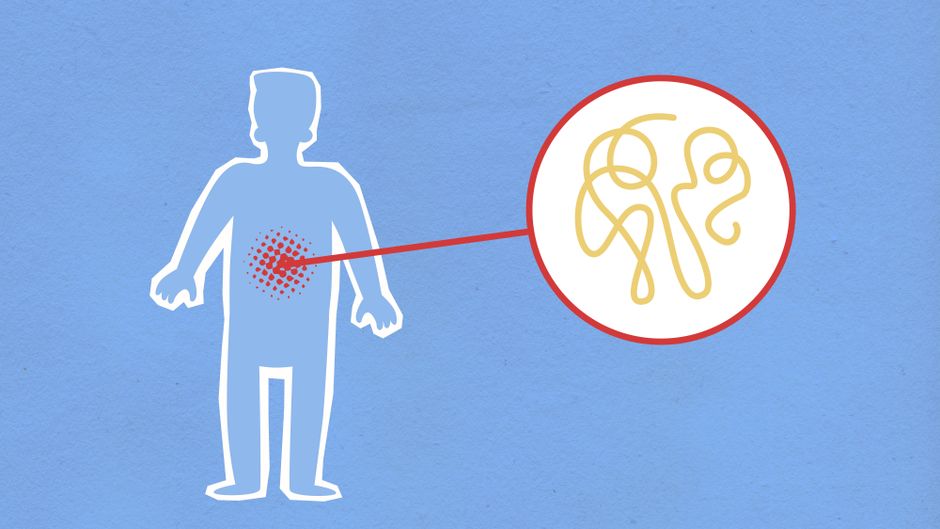
A stomach virus, also called viral gastroenteritis, is an infection of the intestines. It is not the flu, which is a respiratory illness. The most common signs are sudden vomiting and watery diarrhea. Many people also get stomach cramps, nausea, and a low-grade fever. Symptoms usually appear within 12 to 48 hours after exposure. Most cases clear up on their own within a few days without medical treatment.
What Are the First Signs of a Stomach Virus?
The first sign is often a sudden wave of nausea. This can hit without warning, sometimes within hours of exposure. Vomiting often follows quickly, especially in children. Adults may experience more diarrhea first, while kids tend to vomit first.
Stomach cramping is common. These cramps come and go and can range from mild discomfort to sharp pain. You may also feel bloated or have a rumbling stomach. A low-grade fever, usually under 101°F, is possible but not always present.
Symptoms can start abruptly. You might feel fine one minute and be sick the next. This sudden onset is one of the clearest signs that it is a virus rather than food poisoning, which often has a more delayed timeline.
How Long Does a Stomach Virus Last?
Most stomach viruses last 1 to 3 days. In some cases, symptoms can linger for up to 10 days, especially diarrhea. The acute phase, when vomiting and diarrhea are most frequent, usually lasts 24 to 72 hours.
The recovery process is gradual. You may feel better for a few hours and then have a setback. This is normal. The stomach lining needs time to heal after the infection clears.
Fatigue can last several days after the main symptoms stop. This is your body recovering from fluid loss and fighting off the infection. It does not mean you are still contagious or that the virus is still active.
What Does Stomach Virus Vomit and Stool Look Like?
Vomiting from a stomach virus often starts with food contents. As the stomach empties, vomit becomes clear or slightly yellow. This is bile, a digestive fluid. It is normal and not a cause for concern.
Diarrhea from a stomach virus is typically watery and non-bloody. It may be light brown, yellow, or greenish. The color changes because food moves through the intestines too quickly to be fully digested.
Blood in vomit or stool is not typical for a simple stomach virus. If you see bright red blood or black, tarry stool, seek medical care. This can signal a more serious condition such as a bacterial infection or internal bleeding.





What Does A Stomach Virus Look Like Symptoms Explained: The Full Picture
A stomach virus affects the entire digestive tract. The virus invades the lining of the small intestine. This causes inflammation and prevents the intestine from absorbing water properly. That is why diarrhea is so watery.
The combination of vomiting and diarrhea leads to rapid fluid loss. This is the main danger of a stomach virus, especially for young children, older adults, and people with weakened immune systems. Dehydration can happen within hours, not days.
Other symptoms can include headache, muscle aches, and chills. These are systemic responses to the infection. They happen because your immune system is releasing chemicals to fight the virus, which can affect the whole body.
How Is a Stomach Virus Different From Food Poisoning?
Stomach viruses and food poisoning share many symptoms. The main difference is the cause. A virus spreads from person to person through contaminated hands, surfaces, or food. Food poisoning comes from eating food contaminated with bacteria, toxins, or parasites.
Timing helps tell them apart. Viral symptoms usually start 12 to 48 hours after exposure. Food poisoning can start much faster, sometimes within hours of eating contaminated food. If everyone who ate the same meal gets sick around the same time, food poisoning is more likely.
Fever is more common with a virus. Food poisoning from bacteria often causes more severe abdominal pain and sometimes bloody diarrhea. Neither condition requires antibiotics unless a specific bacterial infection is confirmed.
When Should You See a Doctor for a Stomach Virus?
Most stomach viruses do not need medical treatment. However, certain signs require prompt medical attention. Watch for signs of dehydration, which is the most serious complication.
Signs of dehydration in adults include extreme thirst, dry mouth, dark urine, and urinating less than usual. You may also feel dizzy, lightheaded, or confused. In children, look for no wet diapers for 6 hours, no tears when crying, and sunken eyes or cheeks.
Seek medical care if you cannot keep any fluids down for more than 24 hours, if you have severe abdominal pain, or if you have a fever above 102°F. Also see a doctor if you have blood in your vomit or stool, or if symptoms last longer than 10 days.
Older adults, pregnant women, and people with chronic conditions should contact a doctor earlier. Dehydration can escalate quickly in these groups. Do not wait for symptoms to become severe before seeking help.
What Is the Best Way to Treat a Stomach Virus at Home?
The main treatment for a stomach virus is fluid replacement. Your body loses large amounts of water and electrolytes through vomiting and diarrhea. Replacing them is essential to prevent dehydration.
Oral rehydration solutions are the best option. These contain the right balance of water, salt, and sugar that the body needs. They are available at most pharmacies and are more effective than water alone. Sports drinks are not ideal because they contain too much sugar and not enough salt.
Sip fluids slowly. Drinking too much at once can trigger more vomiting. Start with small sips every 5 to 10 minutes. If you keep those down, gradually increase the amount.
Eat bland foods once vomiting stops. The BRAT diet — bananas, rice, applesauce, and toast — is a common recommendation. These foods are easy on the stomach and provide some nutrients. Avoid dairy, fatty foods, spicy foods, and caffeine until you fully recover.
How Do You Prevent Spreading a Stomach Virus?
Stomach viruses are highly contagious. The virus lives in vomit and stool. It can survive on surfaces for days and is resistant to many common cleaning products.
Handwashing is the most effective prevention. Wash your hands thoroughly with soap and water for at least 20 seconds. Hand sanitizer is not as effective against stomach viruses, so soap and water are preferred.
Clean contaminated surfaces with a bleach-based cleaner. Standard household cleaners may not kill the virus. A solution of 5 to 25 tablespoons of bleach per gallon of water is recommended for disinfecting hard surfaces.
Stay home until symptoms have stopped for at least 48 hours. You can still spread the virus after you feel better. This is especially important for people who work in food service, healthcare, or childcare.
Frequently Asked Questions
Can you catch a stomach virus from someone before they show symptoms?
Yes, you can. People with a stomach virus can spread it before symptoms appear and for up to two weeks after recovery.
Is a stomach virus the same as the flu?
No. The flu is a respiratory illness that affects the lungs and airways. A stomach virus affects the digestive tract.
How long are you contagious after a stomach virus?
You are contagious as long as you have symptoms and for up to 48 hours after they stop. Some viruses can be shed in stool for weeks.
Should you take anti-diarrheal medication for a stomach virus?
Most doctors do not recommend it. Anti-diarrheal medications can trap the virus in your system and prolong the infection. Let the virus run its course while staying hydrated.
