
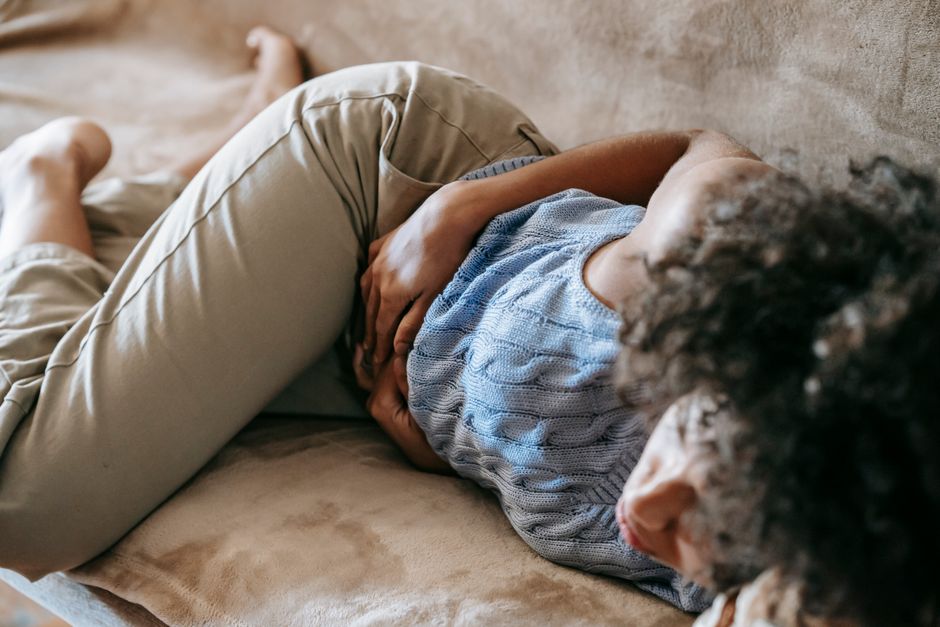
Most people with a stomach virus stop being contagious once their symptoms have fully resolved for 48 hours. For most viral gastroenteritis cases, that means you are contagious from the moment you feel symptoms starting until about two days after your last episode of vomiting or diarrhea. Some people can shed the virus even longer, especially young children and those with weakened immune systems.
Viral gastroenteritis — the medical name for a stomach virus — spreads easily. Understanding exactly how long you can pass it to others helps protect your family, coworkers, and anyone else you come into contact with.
What Causes a Stomach Virus?
Several different viruses can cause gastroenteritis. The most common in the United States are norovirus and rotavirus. Norovirus causes roughly half of all foodborne illness outbreaks in the country. Rotavirus is more common in infants and young children, though adults can catch it too.
Less common causes include adenovirus and astrovirus. These tend to cause milder illness and are seen more often in children.
Each virus has a slightly different contagious period. But for practical purposes, the same general rule applies: you are contagious while you have symptoms and for a short time after they end.
How Long Are You Contagious With a Stomach Virus?
You are contagious from the moment you are exposed until about 48 hours after your symptoms stop. The most contagious period is while you are actively vomiting or having diarrhea. That is when the viral load in your stool and vomit is highest.
Norovirus is particularly persistent. Studies show that people can shed norovirus in their stool for up to two weeks after recovery. However, the amount of virus drops dramatically after the first few days, and the risk of passing it to others is much lower once symptoms have stopped.
Rotavirus follows a similar pattern. Children can shed rotavirus for up to 10 days after symptoms resolve. This is why pediatricians often recommend keeping children home from daycare or school for at least 48 hours after the last symptom.
When Are You Most Contagious?
The peak contagious period is during the first 24 to 48 hours of illness. That is when symptoms are most severe and the amount of virus you shed is highest.
Norovirus is extremely contagious during this window. It takes fewer than 20 virus particles to make another person sick. To put that in perspective, a single vomit or diarrhea episode can contain billions of virus particles.
You can also spread the virus before you feel sick. For norovirus, you may be contagious as early as 12 hours before symptoms appear. For rotavirus, the incubation period is typically one to three days, and you can shed virus before symptoms start.


How Does a Stomach Virus Spread?
Stomach viruses spread through the fecal-oral route. That means the virus from an infected person’s stool or vomit gets into another person’s mouth. This happens more easily than most people realize.
Common ways the virus spreads include:
- Not washing hands after using the bathroom
- Touching contaminated surfaces like doorknobs, faucets, and phones
- Preparing food for others while sick
- Sharing utensils, cups, or towels
- Eating food or drinking water contaminated with the virus
Norovirus can survive on surfaces for days. It also resists many common cleaning products. Alcohol-based hand sanitizers are not very effective against norovirus. Soap and water are much better at removing the virus from your hands.
How Long Should You Stay Home From Work or School?
The general rule is to stay home until you have been symptom-free for 48 hours. This applies to both adults and children. This timeline is based on when the risk of spreading the virus drops to a level that is unlikely to cause an outbreak.
Many workplaces and schools have policies that require this exact timeframe. Food handlers, healthcare workers, and childcare providers are often required to stay home longer — sometimes up to 72 hours after symptoms resolve. This is because these settings have a high risk of spreading infection to vulnerable people.
If your job involves preparing food, check with your employer about their specific return-to-work policy. Local health departments often regulate how long food workers must stay home after a gastrointestinal illness.
Does Having a Stomach Virus Give You Immunity?
Having a stomach virus does not give you long-term immunity. You can get norovirus multiple times in your lifetime. In fact, there are many different strains of norovirus, and immunity to one strain does not protect you from others.
Even within the same season, you can catch a different strain. This is why stomach viruses sweep through households and communities repeatedly.
Rotavirus is different. A rotavirus infection provides some immunity, but it is not complete. Subsequent infections tend to be milder. The rotavirus vaccine, given to infants, significantly reduces the risk of severe illness.
How to Stop Spreading a Stomach Virus
Handwashing is the single most important step. Wash your hands thoroughly with soap and warm water for at least 20 seconds. Do this after using the bathroom, before preparing food, and after cleaning up after someone who is sick.
Clean contaminated surfaces with a bleach-based cleaner. Norovirus is resistant to many disinfectants, but chlorine bleach at the proper dilution kills it. Mix about one-third cup of bleach per gallon of water for surface cleaning. Wear gloves while cleaning.
Wash laundry thoroughly. Handle soiled clothes and bedding with gloves, and wash them in hot water. Dry on high heat.
Avoid preparing food for others until you have been symptom-free for at least 48 hours. This is especially important if you cook for children, elderly people, or anyone with a weakened immune system.
When to See a Doctor
Most stomach viruses resolve on their own within one to three days. The main risk is dehydration, not the virus itself. Watch for signs of dehydration, especially in children and older adults.
Signs of dehydration include:
- Dry mouth and lips
- Decreased urination
- Dark-colored urine
- Dizziness or lightheadedness
- Sunken eyes
- In infants, fewer wet diapers than usual
Seek medical care if you cannot keep any fluids down for more than 24 hours, if you have bloody diarrhea, if you have a fever above 102°F, or if you show signs of severe dehydration. Children, older adults, and people with chronic conditions should be evaluated sooner.
Frequently Asked Questions
Can I spread a stomach virus after symptoms are gone?
Yes, you can still shed the virus for a few days after symptoms resolve. The risk is much lower, but it is not zero, especially for the first 48 hours after recovery.
How long is norovirus contagious on surfaces?
Norovirus can survive on hard surfaces for several days. Clean contaminated areas with a bleach-based disinfectant to kill the virus.
Is a stomach virus contagious before symptoms start?
Yes, you can be contagious about 12 hours before symptoms appear for norovirus. Rotavirus can also be shed before symptoms begin.
Can I go back to work 24 hours after symptoms stop?
You can, but you may still be contagious. The safest approach is to wait a full 48 hours after your last symptom before returning to work or school.
