
What Is a Stomach Virus?
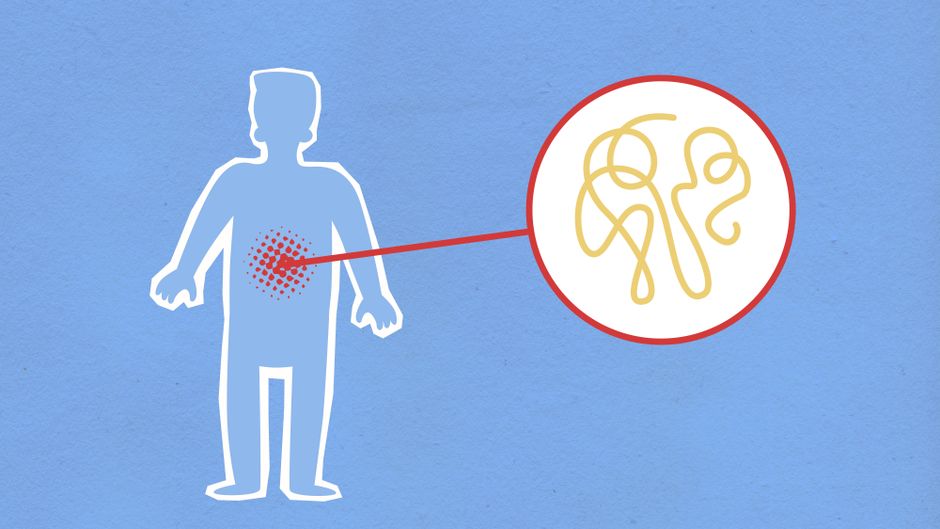
A stomach virus is an infection of the digestive tract. The medical name is viral gastroenteritis. It inflames the lining of the stomach and intestines. This inflammation causes the classic symptoms of watery diarrhea, vomiting, and abdominal pain.
The most common culprits are norovirus and rotavirus. Norovirus causes most stomach virus cases in adults. Rotavirus is more common in infants and young children. These viruses are highly contagious. It takes only a tiny amount of the virus to make someone sick.
The infection is not caused by bacteria or parasites. That is why antibiotics do not help. The illness is self-limiting, which means it usually runs its course without medical treatment.
What Are the Symptoms of a Stomach Virus?
Symptoms usually start suddenly. You may feel fine one moment and violently ill the next. The most common symptoms include:
- Watery diarrhea
- Vomiting
- Nausea
- Stomach cramps
- Low-grade fever
- Muscle aches
- Headache
Symptoms typically appear 12 to 48 hours after exposure to the virus. The illness usually lasts 1 to 3 days. Some people, especially young children and older adults, may have symptoms for longer.
Dehydration is the most serious complication. Watch for signs of dehydration, which include dry mouth, decreased urination, dark urine, dizziness, and extreme thirst. In infants, look for fewer wet diapers and a sunken soft spot on the head. Severe dehydration requires medical attention.
What Causes a Stomach Virus?
Stomach viruses spread through the fecal-oral route. This means the virus passes from an infected person’s stool to another person’s mouth. This happens more easily than most people realize.
Common ways the virus spreads include:
- Direct contact with an infected person
- Touching contaminated surfaces like doorknobs or railings
- Eating food prepared by someone who is infected
- Drinking contaminated water
- Sharing utensils or cups
Norovirus is especially hardy. It can survive on surfaces for days. It is also resistant to many common hand sanitizers. Washing hands with soap and water is more effective than using alcohol-based sanitizers against this virus.
The virus enters the body through the mouth. It then attaches to cells in the small intestine. Once inside, it causes the intestinal lining to leak fluid. This fluid leak is what causes watery diarrhea. The virus also triggers the vomiting reflex, which is the body’s attempt to expel the pathogen.





How Is a Stomach Virus Treated?
There is no specific medication that kills the virus. Antibiotics do not work because this is a viral infection. Antiviral drugs are not available for gastroenteritis. Treatment focuses on managing symptoms and preventing dehydration.
The most important step is fluid replacement. Water alone is not always enough because the body loses electrolytes like sodium and potassium. Oral rehydration solutions are the best choice. These are available at pharmacies and contain the right balance of fluids and electrolytes. Sports drinks can help, but they contain high sugar which can sometimes worsen diarrhea.
For most adults, the rule is to take small frequent sips of fluid. Drinking too much at once can trigger more vomiting. Start with a teaspoon every few minutes. If you keep that down, gradually increase the amount.
Once vomiting subsides, eat bland foods. The BRAT diet — bananas, rice, applesauce, and toast — is a common recommendation. These foods are easy on the stomach. You can also eat plain crackers, boiled potatoes, and clear broths. Avoid dairy, fatty foods, spicy foods, and caffeine until you feel better.
Rest is essential. The body needs energy to fight off the infection. Stay home from work or school until symptoms have resolved. Most people are contagious for a few days after symptoms stop, so good hand hygiene is critical.
When Should You See a Doctor for a Stomach Virus?
Most people do not need to see a doctor for a stomach virus. But some situations require medical attention. Seek care if you experience any of the following:
- Blood in your vomit or stool
- Vomiting that lasts more than 48 hours
- High fever above 102°F
- Signs of severe dehydration
- Severe abdominal pain that does not go away
- Inability to keep any fluids down for 12 hours
Infants, older adults, and people with weakened immune systems are at higher risk for complications. Pregnant women should also be cautious. Dehydration can affect the baby. If you are pregnant and develop a stomach virus, contact your healthcare provider.
Severe dehydration may require intravenous fluids in a hospital setting. This is rare but can happen in vulnerable populations. Do not delay seeking care if you cannot keep fluids down and show signs of dehydration.
Can You Prevent a Stomach Virus?
Prevention relies on good hygiene. The most effective measure is frequent handwashing with soap and water. Scrub for at least 20 seconds, especially after using the bathroom, changing diapers, and before preparing food.
There is a vaccine for rotavirus. It is given orally to infants in a series of doses. This vaccine has significantly reduced rotavirus infections in children. There is no vaccine for norovirus.
If someone in your household is sick, clean surfaces with a bleach-based disinfectant. Norovirus is resistant to many cleaners. A solution of 5 to 25 tablespoons of bleach per gallon of water is effective. Wash laundry thoroughly and avoid sharing personal items.
Do not prepare food for others while you are sick. Wait at least 48 hours after symptoms stop before handling food. This reduces the risk of spreading the virus to others.
Is It a Stomach Virus or Food Poisoning?
The symptoms of a stomach virus and food poisoning overlap significantly. Both cause vomiting and diarrhea. The difference lies in the cause and timing.
Food poisoning is caused by toxins from bacteria or other pathogens in contaminated food. Symptoms often appear within hours of eating. A stomach virus takes 12 to 48 hours to develop. Food poisoning tends to be shorter-lived, often resolving within 24 hours.
If several people get sick after eating the same meal, food poisoning is more likely. If the illness spreads through a household or community over several days, a virus is more likely. In many cases, you cannot tell the difference without testing. The treatment is the same for both: fluids, rest, and time.
Does Activated Charcoal or Ginger Help a Stomach Virus?
Activated charcoal is often marketed as a remedy for diarrhea and vomiting. The evidence for its effectiveness in viral gastroenteritis is limited. Some studies suggest it may bind to toxins in bacterial food poisoning, but it has not been shown to shorten a viral infection. No clinical guidelines currently recommend activated charcoal for stomach viruses.
Ginger is commonly used for nausea. Some research suggests it can reduce nausea in pregnancy and after surgery. Its effect on viral gastroenteritis is less clear. It may help settle the stomach slightly, but it will not cure the infection. Ginger ale is not a good option because the carbonation and sugar can worsen symptoms.
The honest position is that no home remedy has been proven to cure a stomach virus. The body clears the infection on its own. Your job is to stay hydrated and comfortable while that happens.
Frequently Asked Questions
How long does a stomach virus last?
Most stomach viruses last 1 to 3 days. Some people, especially young children and older adults, may have symptoms for up to a week.
Can you catch a stomach virus from someone before they show symptoms?
Yes. People can spread the virus before they feel sick and for up to two weeks after recovery. Norovirus is most contagious while symptoms are active.
What should you eat after a stomach virus?
Start with bland foods like bananas, rice, applesauce, and toast. Gradually return to a normal diet as symptoms improve.
Is a stomach virus the same as the flu?
No. The flu is a respiratory illness that affects the lungs and airways. A stomach virus affects the intestines and causes digestive symptoms.
