
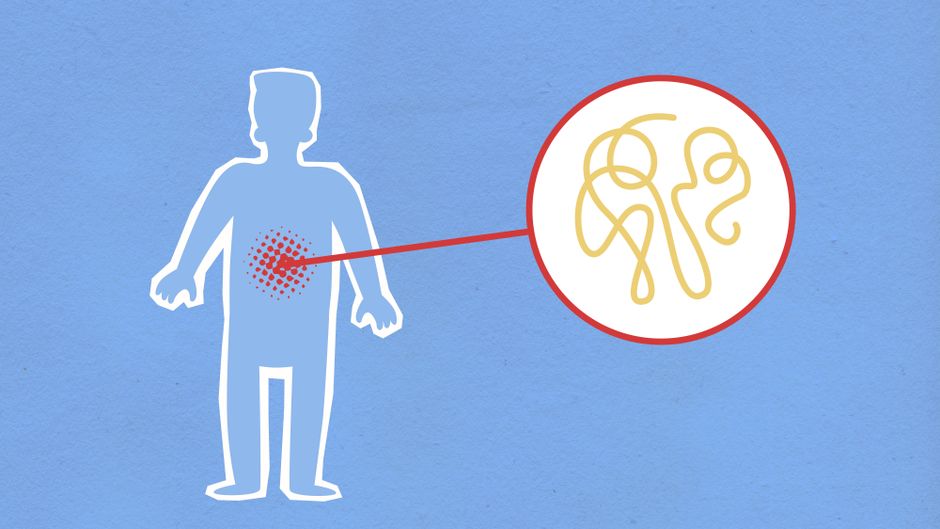
A stomach virus, often called viral gastroenteritis, spreads mainly through the fecal-oral route. This means the virus leaves an infected person’s body in their stool, and tiny amounts of it end up in another person’s mouth. The virus also spreads through direct contact with an infected person, contaminated surfaces, and contaminated food or water. These viruses are highly contagious, and even a tiny amount of virus can make someone sick.
How Does A Stomach Virus Spread Between People?
The most common way a stomach virus spreads is through microscopic particles of stool. When an infected person uses the bathroom and does not wash their hands thoroughly, they can leave the virus on doorknobs, faucets, and other shared surfaces. The next person touches that surface, then touches their mouth, and the virus enters their body.
Norovirus is the leading cause of viral gastroenteritis in the United States. It spreads very easily in places like cruise ships, schools, and nursing homes. Rotavirus is another common cause, especially in infants and young children. Both viruses behave the same way when it comes to transmission.
The virus can also spread through vomit. Norovirus particles can become airborne briefly when someone vomits, and they can land on nearby surfaces. However, the main route of infection is still touching contaminated surfaces or objects and then touching your face.
How Long Is A Person Contagious?
People can spread the virus before they even feel sick. With norovirus, a person is most contagious while they are actively sick and for the first few days after they recover. Some research suggests they can shed the virus in their stool for two weeks or more after symptoms stop.
This is why handwashing is so important even after you feel better. You may look healthy but still be able to pass the virus to others. The same rule applies to children returning to daycare or school. Most guidelines suggest waiting at least 48 hours after the last episode of vomiting or diarrhea before returning to normal activities.
What Surfaces And Foods Carry The Virus?
Stomach viruses can survive on hard surfaces for days. A study from the National Institutes of Health found that norovirus can remain infectious on surfaces like doorknobs and countertops for up to two weeks. This makes cleaning and disinfection a critical step in stopping the spread.
Food can become contaminated at any point in its journey from farm to table. An infected food handler who does not wash their hands can contaminate salads, sandwiches, or any ready-to-eat food. Shellfish like oysters are another common source because they filter water and can concentrate the virus if the water is contaminated.
Fruits and vegetables can also carry the virus if they are washed with contaminated water or handled by an infected person. Cooking kills the virus, so raw or undercooked foods are the highest risk.



Are Stomach Viruses Airborne?
The short answer is no, not in the way that colds or the flu are airborne. Stomach viruses do not hang in the air and travel across a room to infect someone. However, the virus can become briefly airborne when someone vomits forcefully.
When a person vomits, the force can create tiny droplets that travel a short distance. These droplets can land on surfaces or in someone’s mouth if they are very close. This is not the primary way the virus spreads, but it is a real risk in small spaces like bathrooms or shared cabins.
Cleaning up vomit safely requires caution. Wear gloves, use a bleach-based cleaner, and avoid stirring up the vomit into the air. Paper towels are better than cloth because you can throw them away immediately.
How Does Stomach Virus Spread Differ From Food Poisoning?
Stomach viruses and food poisoning often look the same. Both cause vomiting, diarrhea, and stomach cramps. The difference is in the cause.
A stomach virus is an infection. A person catches it from another person or from contaminated food or water. Food poisoning is caused by toxins that bacteria produce in food. These toxins make you sick very quickly, often within hours of eating the contaminated food.
Food poisoning is not contagious. You cannot catch it from another person. Stomach viruses are highly contagious. If several people who ate the same meal get sick, it is likely food poisoning. If one person gets sick and then others in the household get sick over the next few days, it is likely a virus.
How To Stop The Spread At Home
Handwashing is the single most effective way to stop a stomach virus from spreading. Soap and water work better than hand sanitizer against norovirus. Alcohol-based sanitizers do not reliably kill this virus. Wash your hands for at least 20 seconds, especially after using the bathroom and before preparing food.
Clean and disinfect surfaces daily while someone in the house is sick. A bleach-based cleaner is the most effective option. Mix one tablespoon of bleach with one quart of water for a disinfecting solution that kills norovirus on hard surfaces.
Wash laundry carefully. Handle dirty clothes and bedding with gloves if possible. Wash items with hot water and dry them on high heat. Do not share towels or utensils with the sick person.
Keep the sick person isolated in one room if you can. Use one bathroom for the sick person and a different one for everyone else. This is not always possible, but it reduces the chance of spreading the virus to the whole household.
When To See A Doctor
Most stomach viruses resolve on their own within one to three days. The main danger is dehydration. Watch for signs of dehydration, especially in children and older adults.
Signs of dehydration include dry mouth, decreased urination, dark urine, dizziness, and extreme thirst. In infants, look for fewer wet diapers and no tears when crying. If you see these signs, seek medical care.
See a doctor if you have blood in your vomit or stool, a fever above 102°F, or severe abdominal pain. Also seek care if you cannot keep any fluids down for more than 24 hours. Dehydration can become serious quickly, especially in young children and the elderly.
Frequently Asked Questions
Can you catch a stomach virus from the air?
No, stomach viruses do not spread through the air like the flu or cold. They spread through tiny particles of stool or vomit that reach your mouth, usually via contaminated hands or surfaces.
How long does the stomach virus live on surfaces?
Norovirus can survive on hard surfaces like countertops and doorknobs for up to two weeks. Cleaning with a bleach-based solution is the most reliable way to kill it.
Can hand sanitizer kill the stomach virus?
Alcohol-based hand sanitizers are not reliably effective against norovirus. Washing your hands with soap and water for at least 20 seconds is the recommended method.
Is a stomach virus contagious before symptoms start?
Yes, a person can shed the virus in their stool before they feel sick. They are most contagious while actively sick and for the first 48 hours after symptoms stop.
