
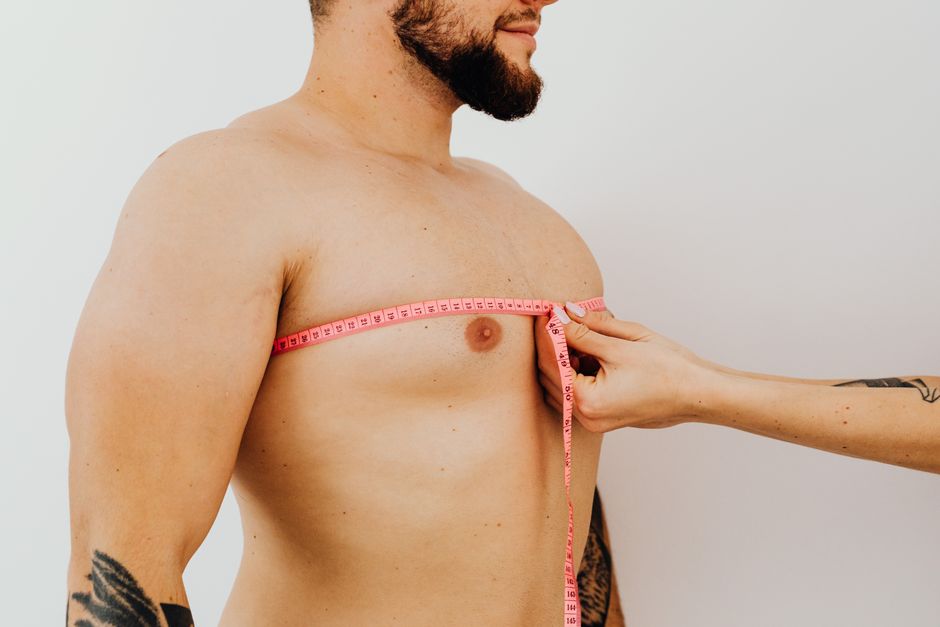
A pulled chest muscle can be a scary experience because the pain sits so close to your heart. Most people feel a sudden, sharp pain in the front of the chest or along the ribs. The pain often gets worse when you take a deep breath, twist your torso, or press on the sore spot. Unlike heart pain, a pulled muscle usually hurts more when you move or touch the area, and it does not spread to your jaw or left arm.
What Does A Pulled Chest Muscle Feel Like?
The most common description is a sharp, stabbing pain that appears suddenly during activity. You might feel it after lifting something heavy, doing push-ups, or making an awkward twisting motion. Some people describe it as a tearing sensation in the moment it happens. Others feel a dull ache that builds over a few hours.
The pain is typically localized. That means you can point to the exact spot that hurts. It usually sits over the ribs, between the ribs, or in the upper chest near the collarbone. The area may feel tender when you press on it. In some cases, you may see mild bruising or swelling within the first day or two.
Breathing often makes it worse. Taking a deep breath stretches the injured muscle fibers, which triggers pain. Coughing, sneezing, or laughing can also cause a sharp jab of pain. These symptoms are uncomfortable but generally not dangerous when they come from a muscle strain.
How Does A Chest Muscle Strain Happen?
The chest wall contains several layers of muscle. The most commonly strained muscles are the intercostal muscles, which sit between the ribs, and the pectoralis muscles, which cover the front of the chest. These muscles help you breathe, lift, and rotate your upper body.
A strain happens when muscle fibers overstretch or tear. This can occur during heavy lifting, contact sports, or sudden twisting movements. It can also happen from repetitive motions like rowing or swinging a golf club. Even a violent coughing fit can strain the intercostal muscles, especially if you already have a respiratory infection.
Muscle strains are graded by severity. A mild strain involves overstretching with no significant tearing. A moderate strain involves partial tearing of the muscle fibers. A severe strain means the muscle is completely torn. Most chest muscle strains fall into the mild or moderate category and heal on their own with rest.
Pulled Chest Muscle vs. Heart Attack Pain
This is the most important distinction to understand. Chest pain can signal a heart attack, and you should never assume it is only a muscle strain without considering the alternatives. The symptoms overlap enough that even doctors cannot always tell the difference without testing.
Heart attack pain often feels like pressure, squeezing, or fullness in the center of the chest. It may last more than a few minutes or come and go. The pain can spread to the shoulder, arm, back, neck, jaw, or upper belly. It is frequently accompanied by shortness of breath, cold sweat, nausea, or lightheadedness.
A pulled muscle, by contrast, produces pain that is sharp and reproducible. If you press on the exact spot and it hurts, that points toward a muscle issue. If twisting your torso or lifting your arm reproduces the pain, that also points toward a muscular cause. Heart pain does not typically change with movement or touch.
Do not rely on these differences alone. If you have any doubt, seek emergency care. This is especially important if you have risk factors for heart disease such as high blood pressure, diabetes, smoking, or a family history of early heart attacks. Chest pain is one situation where it is always better to overreact than to underreact.




Other Conditions That Mimic A Pulled Chest Muscle
Several other conditions produce pain that feels similar to a muscle strain. Costochondritis is inflammation of the cartilage that connects the ribs to the breastbone. It causes sharp chest pain that worsens with deep breaths and pressing on the chest. It is common and not dangerous, but it can last for weeks.
Acid reflux can cause a burning chest pain that some people mistake for a muscle issue. The key difference is that reflux pain often worsens after meals or when lying down. It may come with a sour taste in your mouth or a feeling of food coming back up.
A pulmonary embolism is a blood clot in the lung. It causes sudden chest pain that worsens with breathing, along with shortness of breath and sometimes coughing up blood. This is a medical emergency. If you have chest pain with breathing difficulty and a recent history of surgery, long travel, or leg swelling, seek immediate care.
Shingles can also cause chest pain before the rash appears. The pain is often burning or tingling and follows a band-like pattern on one side of the chest. If the pain is accompanied by a rash of small blisters, shingles is the likely cause.
Because several conditions mimic a pulled chest muscle, an accurate diagnosis matters. A doctor can perform a physical exam and may order an electrocardiogram, chest X-ray, or blood tests to rule out more serious causes.
How Long Does A Pulled Chest Muscle Take To Heal?
Most mild chest muscle strains improve within a few days to two weeks. Moderate strains may take three to six weeks to fully heal. Severe tears can take several months and may require physical therapy or, in rare cases, surgery.
The healing timeline depends on the severity of the tear and how well you rest the area. Returning to heavy activity too soon can re-injure the muscle and extend recovery time. Pain is a useful guide. If an activity causes pain, the muscle is not ready for it yet.
During the first 48 hours, applying ice to the area for 15 to 20 minutes several times a day can help reduce pain and swelling. After that, gentle heat may help relax the muscle. Over-the-counter pain relievers like ibuprofen or acetaminophen can manage discomfort, but check with a pharmacist or doctor if you have other health conditions or take other medications.
Once the sharp pain subsides, gentle stretching and gradual movement can help restore flexibility. Deep breathing exercises can keep the lungs clear and prevent stiffness in the chest wall. A physical therapist can design a safe progression of exercises if the strain is slow to heal.
When To See A Doctor For Chest Pain
Seek emergency care immediately if your chest pain is accompanied by shortness of breath, sweating, nausea, dizziness, or pain spreading to your arm, neck, or jaw. These symptoms may indicate a heart attack or a blood clot in the lungs. Do not wait to see if the pain goes away.
See a doctor within a few days if the pain does not improve with rest, if it worsens over time, or if you have a fever, cough, or difficulty swallowing. A doctor can determine whether your pain comes from a muscle, cartilage, the lungs, the esophagus, or the heart.
If you have already been diagnosed with a pulled chest muscle and the pain suddenly becomes much worse, or you develop new symptoms like breathlessness or a racing heart, seek medical attention. Complications are rare, but they do happen.
Preventing Chest Muscle Strains
Warming up before exercise is the most effective way to reduce the risk of muscle strains. Cold muscles are less flexible and more prone to tearing. A five to ten minute warm-up that raises your heart rate and loosens the chest muscles can make a meaningful difference.
Strengthening the chest, back, and shoulder muscles helps protect the chest wall. Balanced strength training ensures that no single muscle group is overworked. Pay attention to your form during lifting exercises. Poor form puts unnecessary stress on the chest muscles.
Listen to your body. If you feel a twinge or sharp pain during an activity, stop immediately. Pushing through the pain can turn a minor strain into a more serious injury. Gradually increase the intensity of your workouts rather than making sudden jumps in weight or repetitions.
Frequently Asked Questions
Can a pulled chest muscle cause pain when breathing?
Yes, breathing deeply stretches the injured chest muscles and often causes sharp pain. Shallow breathing may reduce the discomfort, but persistent breathing difficulty requires immediate medical attention.
How can I tell if my chest pain is a muscle or my heart?
Muscle pain is usually sharp, localized, and worsens with movement or pressure on the spot. Heart pain often feels like pressure or squeezing and may spread to the arm, neck, or jaw, sometimes with sweating or nausea.
Should I go to the ER for a pulled chest muscle?
Not always, but you should go if you have any doubt about the cause of your chest pain. Go immediately if the pain is accompanied by shortness of breath, sweating, dizziness, or pain spreading to your arm or jaw.
How long should I rest a pulled chest muscle?
Rest for at least a few days until the sharp pain subsides, which usually takes 48 to 72 hours. Avoid heavy lifting and strenuous activity for one to two weeks, and return to exercise gradually.
