

A muscle tear can happen in a split second. You feel a sudden sharp pain, a pop, or a deep ache, and suddenly you cannot move the way you did before. The challenge is that a torn muscle, a strained muscle, and a pulled muscle all feel similar at first. The difference matters because treatment depends on the severity of the injury. Here is how to tell if a muscle is torn, what symptoms to watch for, and which tests doctors use to confirm the diagnosis.
What Does a Torn Muscle Actually Mean?
A muscle tear is a complete or partial break in the muscle fibers. Medical professionals call this a muscle strain, and they grade it from 1 to 3. A grade 1 strain is a mild stretch with tiny micro-tears. A grade 2 strain is a partial tear where some fibers are broken but the muscle is still connected. A grade 3 strain is a complete tear or rupture where the muscle is fully separated.
The term “torn muscle” usually refers to grade 2 or grade 3 injuries. People often use “pulled muscle” to describe a grade 1 strain. The words matter less than the severity. What matters is how much muscle tissue is damaged and whether the muscle can still function.
How To Tell If A Muscle Is Torn Symptoms Tests
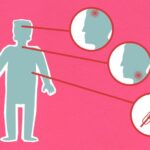
Several signs point to a torn muscle rather than a simple strain. You cannot always tell the difference on your own, but these symptoms are strong indicators. A visible dent or gap in the muscle belly suggests a complete tear. Significant bruising within 24 hours indicates bleeding deep in the tissue, which happens with more severe tears. Weakness that prevents you from using the muscle at all is a red flag. A popping or snapping sound at the moment of injury is also common with full tears.
Compare this to a mild strain. With a grade 1 strain, you feel pain and tightness, but you can still use the muscle. You might limp or adjust your movement, but the muscle still works. If the muscle simply will not contract, or if you cannot bear weight on the affected limb, suspect a tear.
What Does a Muscle Tear Feel Like?
The immediate sensation is usually sharp and sudden. Many people describe it as being kicked, stabbed, or hit with something hard. Some report hearing or feeling a distinct “pop” at the moment of injury. The pain tends to be severe at first, then it may fade slightly before swelling sets in.
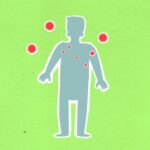
Within hours, the area becomes tender to the touch. Swelling develops as fluid and blood accumulate in the damaged tissue. Bruising often appears within 24 to 48 hours. The muscle feels weak, and any attempt to use it causes pain. In a complete tear, you may not be able to move the joint that the muscle controls.
Spasms are common. The surrounding muscle tissue tightens involuntarily to protect the injured area. This can make the pain feel worse and limit movement even further.



Muscle Tear vs. Muscle Strain: Is There a Difference?
In medical terms, there is no difference. A strain is the clinical name for a stretched or torn muscle or tendon. A tear is simply a more severe strain. When doctors say “strain,” they are not dismissing the injury. They are describing the same condition on a spectrum of severity.
The confusion comes from how people use these words in daily life. Someone might say “I pulled my hamstring” after a mild stretch injury, while another person says “I tore my hamstring” after a complete rupture. Both are strains. The distinction that matters is the grade, not the word.
You should also know the difference between a muscle tear and a tendon injury. Tendons connect muscle to bone. A torn tendon, like an Achilles rupture, feels different and requires different treatment. The Achilles rupture often feels like being kicked in the back of the leg, even though nothing touched you. Tendon tears may require surgical repair, while many muscle tears heal with conservative care.
When Should You See a Doctor?
You should see a doctor if you cannot move the affected muscle or joint at all. You should also seek care if the pain is severe, if there is significant swelling within the first few hours, or if you cannot bear weight on the limb. Numbness or tingling beyond the injured area is another reason to get checked. These symptoms can indicate nerve involvement or a more serious injury.
If you are unsure about the severity, see a doctor. A minor strain that is treated incorrectly can become a bigger problem. Resting a mild strain for a few extra days is not harmful. Pushing through a complete tear can cause permanent weakness or require surgery later.
Some injuries need urgent attention. If the muscle looks deformed, if you heard a loud pop and cannot use the muscle, or if the pain is unbearable, go to urgent care or the emergency room. A complete muscle rupture that is not treated promptly may heal with scar tissue and lose function permanently.
What Tests Confirm a Muscle Tear?
Doctors start with a physical exam. They look for swelling, bruising, and visible deformities. They test your range of motion and ask you to contract the muscle against resistance. This exam alone can often identify a severe tear.
Imaging tests provide a clearer picture. An MRI is the most accurate test for muscle injuries. It shows the muscle tissue in detail and can reveal the exact location and size of a tear. An MRI can distinguish between a partial tear and a complete rupture, which guides treatment decisions.
An ultrasound is another option. It is faster and less expensive than an MRI. A skilled technician can see muscle tears on ultrasound, and the test can be done in the office. Ultrasound is especially useful for checking if the muscle is healing properly over time.
X-rays do not show muscle tissue. Doctors may order an X-ray to rule out a broken bone, but it will not confirm a muscle tear. CT scans are also not ideal for muscle injuries. MRI and ultrasound are the standard imaging tools.
How Long Does a Torn Muscle Take to Heal?
Recovery time depends on the severity of the tear. A mild strain may heal in one to two weeks. A partial tear can take four to eight weeks. A complete tear may require several months, and surgery is sometimes necessary.
Healing happens in stages. The body first clears out damaged tissue and reduces swelling. Then it lays down new collagen fibers to bridge the gap. Finally, the muscle remodels and strengthens over time. The process cannot be rushed. Returning to activity too soon increases the risk of re-injury.
Physical therapy is often recommended for moderate to severe tears. A therapist guides you through exercises that restore strength and flexibility without overloading the healing tissue. Even after symptoms improve, the muscle remains vulnerable for weeks. Full recovery means the muscle can handle the same demands as before the injury.
Can You Treat a Torn Muscle at Home?
For mild strains, home care is appropriate. The standard approach is rest, ice, compression, and elevation, often called the RICE method. Rest the muscle for the first 24 to 48 hours. Apply ice for 15 to 20 minutes several times a day to reduce swelling. Use a compression bandage to limit fluid buildup. Elevate the area above heart level when possible.
After the initial swelling goes down, gentle movement helps. Complete rest for too long can lead to stiffness and muscle wasting. Start with light stretching and gradually increase activity as pain allows. Over-the-counter pain relievers like ibuprofen can help with discomfort, but they do not speed up healing.
For partial or complete tears, home care is not enough. These injuries require medical evaluation. A complete tear will not heal properly on its own. Without treatment, the muscle may heal in a shortened position, leaving you with permanent weakness and limited motion. Surgery is sometimes required to reattach the torn ends, especially in athletes or people who need full muscle function.
Preventing Muscle Tears
Warm up before exercise. Cold muscles are less flexible and more prone to injury. A proper warm-up increases blood flow and prepares the muscle for activity. Stretching after exercise, not before, helps maintain flexibility without weakening the muscle.
Build strength gradually. Sudden increases in intensity or duration put stress on muscles that are not ready. The same applies to starting a new sport or exercise routine. Give your body time to adapt.
Stay hydrated and eat enough protein. Dehydration affects muscle function, and protein provides the building blocks for repair. Fatigue is another risk factor. Tired muscles are more likely to tear because they cannot absorb force as effectively.
Frequently Asked Questions
Can you walk on a torn muscle?
It depends on which muscle is torn and how severe the tear is. If walking causes sharp pain or you cannot bear weight, you likely have a significant tear and should see a doctor.
What does a torn muscle look like on the outside?
You may see swelling, bruising, or a visible dent where the muscle tore. A complete tear can cause a bulge where the muscle bunches up or a gap you can feel under the skin.
How do doctors test for a torn muscle?
Doctors start with a physical exam to check strength and range of motion. An MRI or ultrasound is used to confirm the tear and determine its severity.
Is a torn muscle an emergency?
Most muscle tears are not emergencies, but you should seek urgent care if you cannot use the muscle, have severe pain, or see a visible deformity. A complete rupture needs prompt treatment to avoid permanent damage.
