
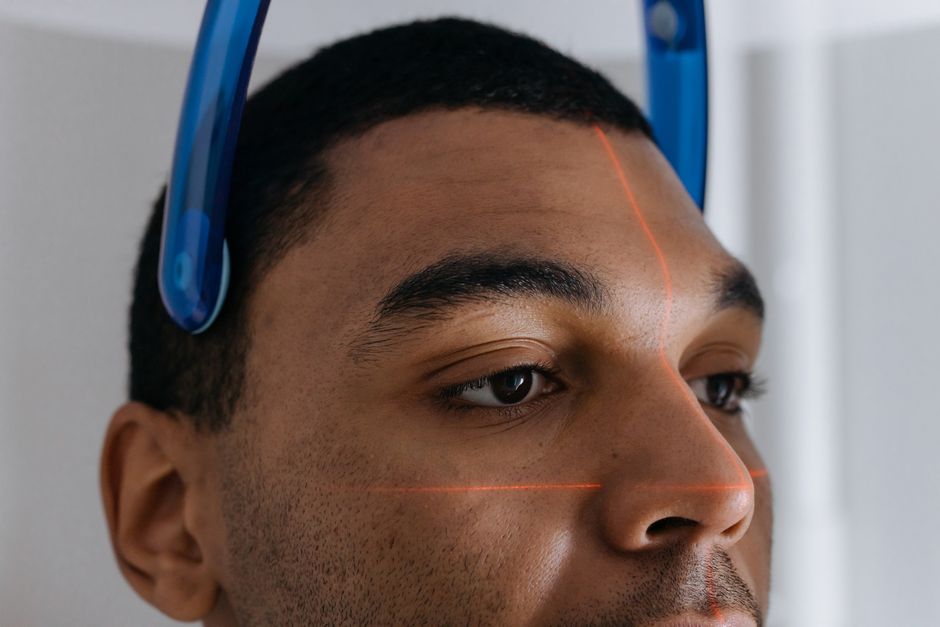
A CT scan, which stands for computed tomography, is a medical imaging test that combines X-rays with computer processing to create detailed cross-sectional pictures of the body. Unlike a standard X-ray that shows bones and some soft tissue in a flat, overlapping image, a CT scan produces clear, 3D-like images of organs, blood vessels, and tissues. It gives doctors a fast, non-invasive way to look inside the body to diagnose injuries, guide treatments, and monitor diseases.
What Does A Ct Scan Do How It Works And What It Shows
A CT scanner is a large, donut-shaped machine. You lie on a table that slides through the center opening while the machine rotates around you. Inside the ring, an X-ray tube emits a narrow beam of radiation that passes through your body. On the opposite side of the ring, detectors capture the X-rays that come out the other side.
Different tissues in the body absorb X-rays at different rates. Bone absorbs a lot, so it appears white. Air absorbs very little, so it appears black. Soft tissues like muscle, fat, and organs fall somewhere in between, appearing as shades of gray. The detectors record these differences from hundreds of angles as the machine rotates.
A computer then takes all this raw data and reconstructs it into a series of thin, cross-sectional slices, similar to looking at a loaf of bread slice by slice. The radiologist can view these slices individually or stack them to build a detailed 3D model of the area being scanned. This level of detail is the key advantage of CT imaging.
Why Do Doctors Order a CT Scan?
Doctors use CT scans for a wide range of diagnostic purposes. In emergency settings, a CT scan is often the first test used to evaluate serious injuries. It can quickly reveal internal bleeding, organ damage, or fractures that might not show up on a regular X-ray. It is a standard tool for evaluating head trauma to check for bleeding or swelling in the brain.
Beyond emergencies, CT scans help diagnose many conditions. A chest CT can detect lung nodules, pneumonia, or pulmonary embolism. An abdominal CT can identify kidney stones, appendicitis, or tumors in the liver, pancreas, or intestines. CT scans are also used to guide biopsies, meaning the doctor can use the images to precisely place a needle to take a tissue sample. They help plan radiation therapy for cancer and monitor how well a treatment is working.
CT scans are fast. A typical scan takes only a few minutes, which makes it ideal for patients who cannot lie still for long periods, including children and those in pain. The speed and detail make it one of the most valuable diagnostic tools in modern medicine.
What Can a CT Scan Show That an X-Ray Cannot?
A standard X-ray is good for looking at bones and checking for obvious problems like a broken arm or a collapsed lung. However, it has limitations. The images are two-dimensional, and structures overlap, which can hide important details. A CT scan solves this problem by taking many X-ray images from different angles and reconstructing them into cross-sectional slices.
This means a CT scan can show the exact size, shape, and location of a tumor. It can show the extent of a fracture, including tiny bone fragments that might be missed on a plain X-ray. It can reveal subtle differences in tissue density that indicate a stroke, a cyst, or an abscess. It can also show blood vessels in detail when a contrast dye is used, helping to identify aneurysms or blockages.
For evaluating soft tissue structures like the brain, liver, or pancreas, CT is dramatically more informative than a regular X-ray. It is not always the best test for every situation, but it is often the quickest and most effective way to get a detailed look at internal structures.





What Is a CT Scan with Contrast?
Sometimes a doctor will order a CT scan with contrast, also called a contrast-enhanced CT. This involves giving you a special dye, usually containing iodine, that makes certain structures more visible on the images. The dye can be injected into a vein, swallowed, or given as an enema, depending on what part of the body is being examined.
When the dye is injected into a vein, it travels through the bloodstream. Blood vessels light up clearly on the scan, allowing doctors to see blockages, aneurysms, or areas of abnormal blood flow. The dye also accumulates in certain tissues, which helps distinguish a tumor from normal surrounding tissue. Tumors often have different blood flow patterns than healthy tissue, so they absorb the dye differently.
The contrast agent is generally safe, but it can cause side effects. Some people experience a warm flushing sensation or a metallic taste in the mouth. Allergic reactions are possible but uncommon. People with kidney problems need to be cautious because the dye can affect kidney function. Your doctor will check your medical history and kidney function before deciding if contrast is appropriate for you.
How Should You Prepare for a CT Scan?
Preparation depends on the type of scan you are having. For a simple scan without contrast, there is usually no special preparation. You may be asked to remove metal objects like jewelry, glasses, or dentures because metal can interfere with the images. You will likely be given a hospital gown to wear.
If your scan requires contrast, you may need to fast for a few hours beforehand. If you are having an abdominal or pelvic scan, you might be asked to drink a contrast solution that helps outline your intestines. It is important to tell your doctor about all medications you take, any allergies you have, and whether you are pregnant or might be pregnant.
Tell your doctor if you have diabetes, asthma, or kidney disease, as these conditions can affect how your body handles the contrast dye. Also inform them if you have had a reaction to contrast dye in the past. Being honest about your medical history helps ensure the scan is as safe and effective as possible.
Are CT Scans Safe?
CT scans do expose you to ionizing radiation, which is a type of energy that can damage DNA and slightly increase the risk of cancer over a lifetime. The radiation dose from a single CT scan is higher than a standard X-ray but is still considered low. The exact risk depends on the area scanned and the protocol used.
The medical community follows a principle called ALARA, which stands for “as low as reasonably achievable.” This means doctors order CT scans only when the medical benefit clearly outweighs the small radiation risk. For most people, the benefit of getting an accurate diagnosis is far greater than the risk from the radiation exposure.
Radiation risk accumulates over a lifetime, so doctors keep track of how many scans you have had. Children are more sensitive to radiation than adults, so special protocols are used to minimize their exposure. If you have concerns about radiation, talk to your doctor. Ask why the scan is needed and whether an alternative test like ultrasound or MRI might work just as well for your situation.
What Happens During the Scan?
The CT scan itself is painless and quick. You will lie on a padded table, and the technologist will position you correctly. They may use straps or pillows to help you stay still and in the right position. The table will move slowly through the scanner while the machine rotates around you.
You will hear whirring or buzzing sounds as the scanner works. The technologist will be in a separate room but will be able to see and hear you through an intercom. They will give you instructions, such as when to hold your breath. Holding your breath helps prevent blurry images, especially for chest and abdominal scans.
The entire process usually takes 10 to 30 minutes, though the actual scanning time is often only a few minutes. After the scan, you can resume your normal activities immediately. If you received contrast dye through an IV, the IV line will be removed. You may be asked to drink extra fluids to help flush the dye out of your system.
What Do the Results Mean?
A radiologist, a doctor specially trained in interpreting medical images, will review your CT scan. They will write a detailed report describing what they see and send it to the doctor who ordered the scan. Your doctor will then discuss the results with you and explain what they mean for your health.
Normal results mean no abnormalities were found. Abnormal results can show a wide range of findings, from benign conditions like a small cyst to more serious issues like a tumor or internal injury. The radiologist’s report will describe the size, location, and characteristics of any findings, which helps your doctor determine the next steps.
Keep in mind that a CT scan is a diagnostic tool, not a treatment. The results provide information that guides medical decisions. Depending on what the scan shows, your doctor may recommend further testing, treatment, or simply monitoring the area over time. Do not hesitate to ask your doctor to explain any terms or findings you do not understand.
Frequently Asked Questions
How long does a CT scan take?
A typical CT scan takes about 10 to 30 minutes total, but the actual scanning time is often just a few minutes.
Is a CT scan painful?
No, a CT scan is completely painless. You only need to lie still on a table while the machine takes images.
Can I eat before a CT scan?
It depends on the type of scan. For scans with contrast, you may need to fast for a few hours beforehand, but for simple scans there is usually no restriction.
Are CT scans safe during pregnancy?
CT scans are generally avoided during pregnancy unless medically necessary, and your doctor will discuss the risks and benefits with you.
