
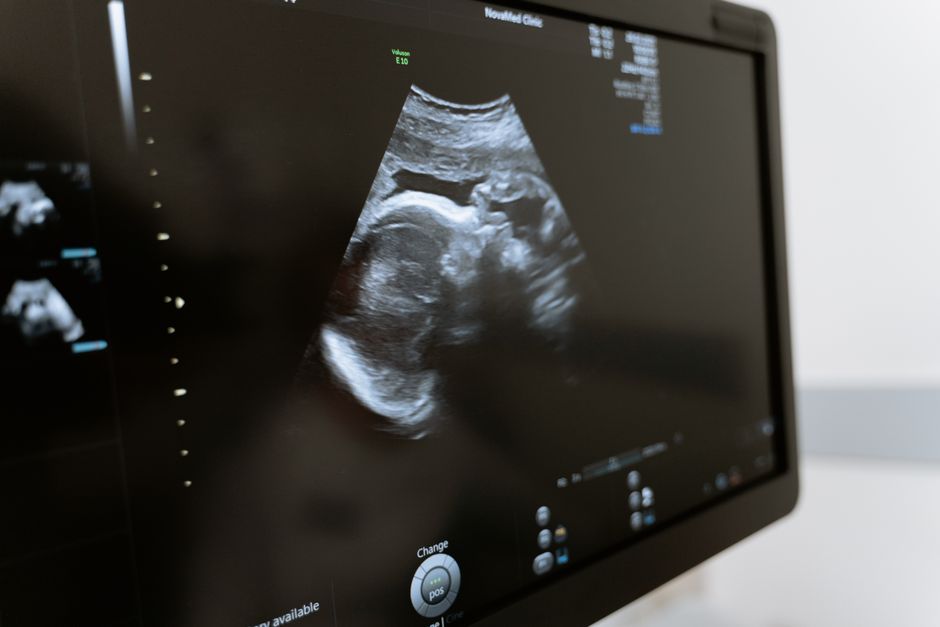
A PET scan measures how actively your cells are using sugar. The result for any organ, including the liver, is reported as a number called the Standardized Uptake Value, or SUV. A normal liver SUV on a PET scan typically falls between 1.5 and 3.0, though the exact range depends on the specific scanner and protocol used. This number is not a fixed diagnostic cutoff. It is a reference point that helps radiologists spot areas of unusually high activity, which can indicate inflammation, infection, or cancer.
What Exactly Does the SUV Number Mean?
The SUV is a semi-quantitative measure. It compares the amount of radioactive tracer taken up by a specific tissue against the average amount distributed throughout your whole body. If your liver cells are working normally, they absorb a predictable amount of the tracer. That predictable amount becomes your baseline.
Radiologists use the liver as an internal standard. Because liver uptake is relatively consistent from person to person, it serves as a reliable yardstick. When a suspicious spot in another organ shows activity that is higher than the liver, it raises concern. When activity is lower than the liver, it is often considered less worrisome, though this is not a universal rule.
The SUV is not a raw measurement like a blood test result. It is calculated using your injected dose, your body weight, and the time between injection and scanning. Small variations in any of these factors can shift the numbers slightly.
Why the Liver Is Used as a Reference Point
Your liver is one of the most metabolically active organs in your body. It processes nutrients, filters blood, and produces bile. That constant work means it naturally takes up a moderate amount of the radioactive glucose tracer used in PET scans.
This steady activity makes the liver a practical internal benchmark. Instead of comparing your scan to a theoretical “average person,” the radiologist compares your organs to your own liver. This approach accounts for your individual metabolism, body size, and blood sugar levels at the time of the scan.
If your liver SUV is unusually low, it can actually make other tissues appear falsely bright in comparison. If your liver SUV is unusually high, it can mask real problems elsewhere. This is why the absolute number matters less than the pattern of uptake across your whole scan.
What Is Considered a Normal Liver SUV Range?
Most healthy liver tissue shows an SUV between 1.5 and 3.0 on a standard FDG-PET scan. FDG stands for fluorodeoxyglucose, the specific tracer used in most oncology PET scans. This range holds true for the vast majority of adults with normal liver function.
Values slightly above 3.0 can still be normal. This is especially true if you have a fatty liver, a common condition that increases background metabolic activity. Likewise, values slightly below 1.5 can occur in people with certain metabolic conditions or in those who had high blood sugar during the scan.
Blood sugar levels matter here. If your blood glucose is elevated, your cells compete with the tracer for entry. This can artificially lower the SUV throughout your body, including the liver. That is why patients are asked to fast before a PET scan.
Different imaging centers may report slightly different normal ranges. This is not an error. It reflects variations in scanner calibration, reconstruction algorithms, and patient preparation protocols. Your report should be interpreted by the radiologist who knows the specific parameters of your scan.
What Does a High Liver SUV Mean?
A liver SUV that is significantly higher than 3.0 warrants attention. The most common cause is diffuse liver disease. Fatty liver disease, hepatitis, and other inflammatory conditions all increase metabolic activity in liver tissue. These conditions are common and often benign in the short term, but they require follow-up.
A focal area of very high uptake, rather than a uniformly high liver, is a different situation. This pattern can indicate a tumor, whether primary liver cancer or a metastasis from another site. The SUV in such a lesion is often much higher than the surrounding liver tissue, sometimes exceeding 5.0 or 6.0.
However, a high SUV alone does not diagnose cancer. Infections, abscesses, and even recent surgery can produce intense tracer uptake. The radiologist considers the shape, location, and pattern of the uptake alongside your clinical history before suggesting a biopsy or further imaging.
No single SUV threshold separates benign from malignant liver findings. The trend over time matters. A lesion that grows and becomes more active on a repeat scan is more concerning than one that remains stable.
What Does a Low Liver SUV Mean?
A liver SUV below 1.5 is less commonly discussed but still informative. This can occur if your blood sugar was high during the scan. It can also happen in the setting of severe liver dysfunction, where the organ is simply not metabolically active enough to take up the tracer normally.
Low liver uptake creates a technical problem. If the liver is dim, other healthy tissues may appear relatively brighter. This can lead to false positives elsewhere in the body. Radiologists are trained to recognize this pattern and adjust their interpretation accordingly.
If your liver SUV is low, your doctor may check your fasting blood sugar from the day of the scan. If that was elevated, the low SUV is explained and not a concern. If your blood sugar was normal, further liver function testing may be warranted.
How Should You Interpret Your Own Report?
Do not attempt to diagnose yourself from the numbers on your report. The SUV is one piece of a complex image. A single number cannot tell you whether you have cancer, inflammation, or a normal variant. The radiologist’s written impression is the most important part of the report.
Ask your doctor these specific questions if you have concerns:
- Is my liver SUV within the expected range for my scan protocol?
- Is the uptake in my liver diffuse or focal?
- Does this finding require additional imaging or a biopsy?
- Was my blood sugar level acceptable on the day of the scan?
The answers to these questions give you more useful information than the raw number alone. Your doctor can place the SUV in the context of your symptoms, other tests, and overall risk profile.
Keep in mind that a PET scan is a screening and staging tool, not a standalone diagnostic test. It is most powerful when combined with CT or MRI imaging, blood tests, and sometimes tissue sampling. The SUV helps guide these next steps. It does not replace them.
Factors That Can Change Your Liver SUV
Several factors can shift your liver SUV beyond the normal range without indicating disease. Recent food intake is one. Even though you fast before the scan, the metabolic state of your liver changes throughout the day. A scan done in the morning after an overnight fast may differ from one done after a longer fast.
Medications can also alter liver metabolism. Steroids, for example, can increase glucose uptake in the liver. Metformin, a common diabetes drug, can change how tissues handle glucose. If you take any regular medications, tell your doctor before the scan so the results can be interpreted accurately.
Recent chemotherapy or radiation therapy can cause a temporary flare in liver activity. This is a known phenomenon called “flare response” and does not necessarily mean the cancer is progressing. Your oncologist will be familiar with this pattern and can distinguish it from true disease progression.
Body weight is factored into the SUV calculation. If you have gained or lost significant weight between scans, the numbers may shift slightly even if your liver is unchanged. This is a technical artifact, not a biological change.
When a Liver SUV Requires Further Testing
The decision to pursue additional testing depends on the entire clinical picture. A mildly elevated SUV with no suspicious lesions on the CT portion of the scan may simply be followed with a repeat scan in a few months. A focal lesion with high uptake will likely require a biopsy or an MRI for characterization.
Your doctor will also consider your liver function blood tests. Elevated liver enzymes, such as ALT and AST, provide additional information about liver health. Combined with the PET findings, these tests help determine whether the SUV elevation is due to inflammation, fatty infiltration, or something more serious.
If you have a known cancer diagnosis, the liver SUV is often compared to previous scans. Stability is reassuring. A significant increase in SUV over time is more concerning, even if the absolute value remains within a range that would be normal for someone without cancer. The trend is often more informative than the single measurement.
Frequently Asked Questions
What is the normal SUV range for the liver on a PET scan?
Most healthy livers show an SUV between 1.5 and 3.0. Values slightly above or below this range can still be normal depending on your scan protocol and metabolic state.
Can a high liver SUV mean I have cancer?
It can, but it is not diagnostic on its own. Infection, inflammation, and fatty liver disease also raise liver SUV, so your doctor will need additional imaging or a biopsy to determine the cause.
Why is my liver used as a reference in my PET scan report?
Your liver takes up a predictable amount of tracer, making it a reliable internal standard. Radiologists compare other organs to your liver to spot abnormal activity.
Does high blood sugar affect my liver SUV?
Yes. Elevated blood sugar competes with the tracer, which can lower your liver SUV artificially. This is why fasting is required before a PET scan.
