
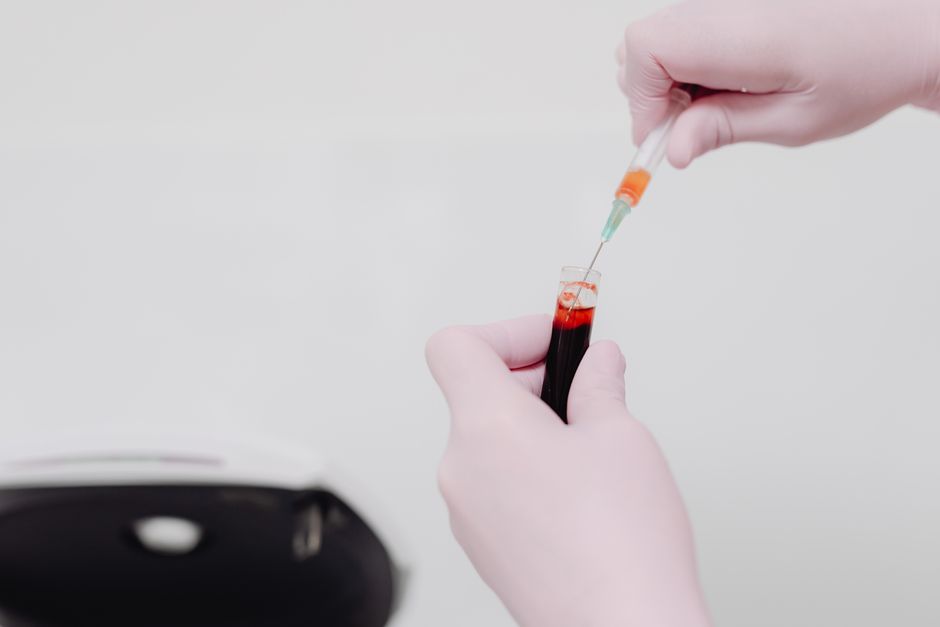
A complete blood count, or CBC, is one of the most common blood tests ordered by doctors. It measures the cells that make up your blood, including red blood cells, white blood cells, and platelets. A CBC helps diagnose a wide range of conditions, from common infections and anemia to blood clotting disorders and, in some cases, cancers like leukemia. It is often the first test a doctor uses to check your overall physical health when you have symptoms like fatigue, fever, or unexplained bruising.
What Exactly Does a CBC Measure?
A CBC provides a detailed snapshot of three main types of cells in your blood. Each type has a specific job, and abnormal levels can point to different health problems.
Red blood cells (RBCs) carry oxygen from your lungs to the rest of your body. The test measures the total number of red cells, the amount of hemoglobin (the oxygen-carrying protein inside them), and the hematocrit (the proportion of your blood made up of red cells). Low levels suggest anemia, which means your body is not getting enough oxygen.
White blood cells (WBCs) are your immune system’s primary defense against infection. A high white count often signals an active infection or inflammation. A low count can indicate a weakened immune system, which may result from viral infections, autoimmune diseases, or bone marrow problems.
Platelets are small cells that help your blood clot. Low platelet counts increase the risk of bleeding and bruising. High counts can increase the risk of blood clots, though they are often a reaction to another condition like infection or iron deficiency.
What Does a CBC Blood Test Help Diagnose: Anemia
Anemia is one of the most frequent reasons a doctor orders a CBC. If you feel constantly tired, weak, dizzy, or short of breath, a CBC can confirm whether your red blood cell levels are low.
The test does more than just tell you if you have anemia. It helps classify the type. The mean corpuscular volume (MCV) measures the average size of your red blood cells. Small red cells are typical of iron deficiency anemia. Large red cells can point to vitamin B12 or folate deficiency. This distinction matters because the treatments are completely different. Taking iron when you have a B12 deficiency will not fix the problem.
Doctors also look at the red cell distribution width (RDW), which measures how much your red cells vary in size. A high RDW often indicates a mixed deficiency or early stages of iron deficiency before other markers drop.
Detecting Infections and Immune System Issues
When you have a fever, chills, or a suspected infection, the white blood cell count is the key number. The body produces more white cells to fight off bacterial invaders. A significantly elevated white count often supports a bacterial infection diagnosis, such as strep throat, pneumonia, or a urinary tract infection.
Viral infections often behave differently. Many viruses cause the white count to drop initially, particularly in the early days of illness. Some viral infections like mononucleosis cause a specific type of white cell called lymphocytes to rise sharply.
The CBC includes a “differential,” which breaks down the types of white cells present. Neutrophils fight bacteria. Lymphocytes fight viruses. Eosinophils respond to parasites and allergic reactions. If your eosinophil count is very high, your doctor may investigate allergies or a parasitic infection. This breakdown helps narrow down the cause when the total count alone is not specific enough.



Identifying Bleeding and Clotting Disorders
Platelet levels are checked in every CBC. If you bruise easily, have frequent nosebleeds, or notice tiny red spots on your skin called petechiae, a low platelet count may be the cause. Platelet counts below the normal range can result from medications, viral infections, immune system attacks on platelets, or bone marrow disorders.
Conversely, a high platelet count can occur after surgery, with chronic inflammation, or as a reaction to iron deficiency. In rare cases, extremely high platelet counts signal a bone marrow condition called essential thrombocythemia, which requires specialized treatment to prevent dangerous blood clots.
The CBC does not measure how well your platelets function, only how many you have. If your numbers are normal but you still bleed excessively, your doctor will order additional tests to evaluate platelet function and clotting factors.
When a CBC Points Toward Blood Cancers
One of the most serious conditions a CBC can help identify is a blood cancer like leukemia or lymphoma. The test cannot diagnose cancer on its own, but it often provides the first warning sign that something is seriously wrong.
In acute leukemia, the bone marrow produces abnormal white cells that crowd out healthy cells. The CBC typically shows a very high white blood cell count with immature cells present, along with low red cells and low platelets. In chronic leukemia, the white count may be only moderately elevated but stays persistently high over time.
Low counts across all three cell lines — red cells, white cells, and platelets — can signal aplastic anemia or bone marrow failure. When a CBC shows abnormalities in multiple cell types, doctors usually order a bone marrow biopsy to determine the underlying cause. The CBC is the screening tool, not the final diagnosis.
Monitoring Chronic Diseases and Medication Effects
Beyond making new diagnoses, a CBC is essential for monitoring known conditions. Patients undergoing chemotherapy receive regular CBCs to ensure their blood counts do not drop to dangerous levels. Those taking medications that suppress the immune system, such as methotrexate or certain seizure drugs, need periodic CBCs to catch toxicity early.
Chronic kidney disease often causes anemia because the kidneys produce erythropoietin, a hormone that stimulates red cell production. Tracking hemoglobin levels helps doctors determine when treatment with erythropoietin-stimulating agents or iron supplements is needed.
Autoimmune diseases like lupus or rheumatoid arthritis frequently cause mild anemia and abnormal white cell counts. Regular CBC monitoring helps doctors assess disease activity and adjust immunosuppressive medications.
Limitations: What a CBC Cannot Tell You
A CBC is a screening test, not a definitive diagnostic tool. Abnormal results tell your doctor that something is off, but they rarely identify the exact cause. An elevated white count does not tell you which infection you have or where it is located. Low hemoglobin does not reveal whether the cause is blood loss, poor production, or excessive destruction of red cells.
Many people have mildly abnormal CBC results that are completely harmless. Slightly low or high values can be normal for a specific individual. Doctors look at trends over time and the full clinical picture rather than a single out-of-range number.
If your CBC is abnormal, your doctor will typically order follow-up tests. These may include iron studies, vitamin B12 levels, blood smears, or imaging studies. The CBC is the starting point that guides the next steps. For this reason, you should never try to interpret your own CBC results without medical guidance.
How to Prepare for a CBC Blood Test
A CBC requires no special preparation. You do not need to fast before the test. You can eat and drink normally unless your doctor has ordered other tests at the same time that do require fasting, such as a lipid panel or fasting glucose.
Certain medications can affect your blood counts. Blood thinners, chemotherapy drugs, and some antibiotics can alter results. Always tell your doctor about every medication and supplement you take, including over-the-counter products.
Results are usually available within a few hours to a day. Your doctor will explain what the numbers mean in the context of your symptoms, medical history, and other test results. A single abnormal value rarely leads to a diagnosis on its own. It is the pattern across multiple values combined with your clinical presentation that matters most.
Frequently Asked Questions
Do I need to fast before a CBC blood test?
No, a CBC does not require fasting. You can eat and drink normally unless your doctor is running other tests at the same time that require fasting.
Can a CBC detect cancer?
A CBC can show abnormalities that suggest blood cancers like leukemia or lymphoma, but it cannot diagnose cancer alone. A bone marrow biopsy and other tests are required for a definitive diagnosis.
How long does it take to get CBC results?
Most CBC results are available within a few hours to one day. Your doctor will discuss the results with you and explain what they mean for your specific situation.
What happens if my CBC results are abnormal?
Your doctor will order follow-up tests to determine the cause of the abnormality. A single abnormal value is rarely diagnostic on its own, and your doctor will consider your symptoms and medical history before recommending next steps.
