
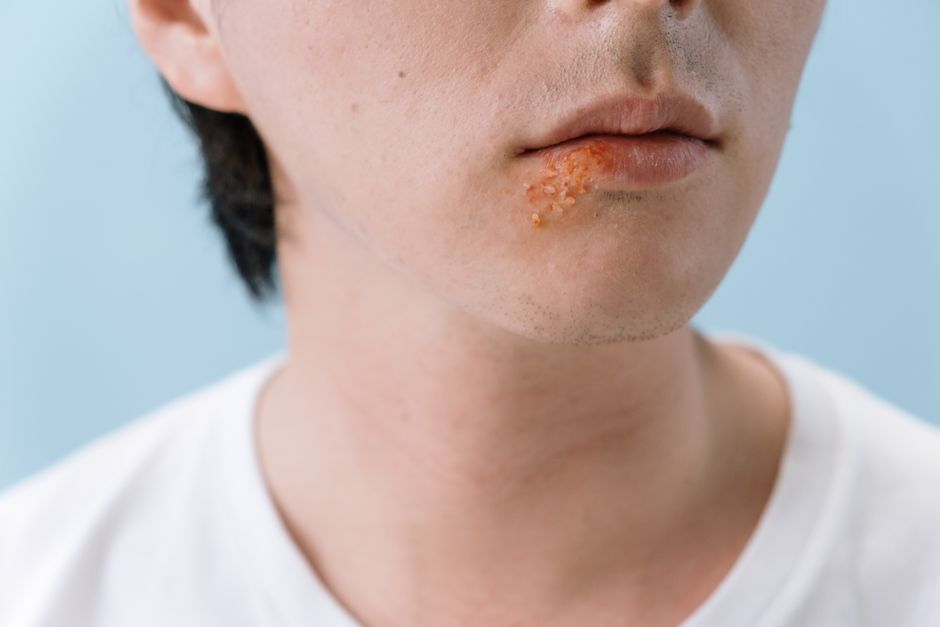
Genital herpes is diagnosed in two main ways: by testing a sample taken directly from a sore, or by a blood test that looks for antibodies to the virus. The swab test is most accurate when a visible sore is present and can be sampled. Blood tests can detect infection between outbreaks, but they have real limits you should understand before relying on one. Which test you need depends on whether you currently have symptoms.
How To Diagnose Genital Herpes Swabs Blood Tests More?
The two categories of tests answer different questions. A swab test asks, “Is the virus present in this sore right now?” A blood test asks, “Has this person ever been infected with herpes simplex virus?” Neither test is universally better. They are used in different situations.
Genital herpes is most often caused by herpes simplex virus type 2 (HSV-2), though HSV-1 — the virus usually linked to cold sores — can also cause genital infection, largely through oral-to-genital contact. This distinction matters because it affects how tests perform and how results are interpreted.
What Is a Swab Test and When Is It Used?
A swab test collects material directly from a genital sore, blister, or ulcer. This is the preferred method when a lesion is present. The sample is then analyzed in a lab to detect HSV DNA.
The most sensitive swab method is polymerase chain reaction (PCR) testing, which amplifies viral DNA and can detect very small amounts. Viral culture — growing the virus in a lab — is another method, but it is less sensitive than PCR and depends on the sample being collected early, while the virus is still active in the lesion.
Timing matters. A swab taken from a fresh blister or open sore is more likely to yield a result than one taken from a sore that is already healing. If a lesion has begun to crust or dry, the amount of detectable virus drops.
One practical problem: many people do not have a visible sore when they see a doctor. Herpes outbreaks can be mild, easily missed, or mistaken for something else. A swab test cannot be done without a lesion to sample. This is the main reason blood tests exist.
What Does a Blood Test Actually Detect?
A blood test does not look for the virus itself. It looks for antibodies — proteins your immune system makes in response to infection. Two types are commonly measured: IgM and IgG.
IgG antibodies are the more useful marker for diagnosing genital herpes. They develop after infection and remain in the body long term. Type-specific IgG tests can distinguish between HSV-1 and HSV-2, which is important because the two viruses have different patterns of transmission and recurrence.
IgM antibodies are less reliable for herpes diagnosis. IgM can appear early in infection, but it can also cross-react with other viruses and may not reliably distinguish HSV-1 from HSV-2. Many clinical guidelines advise against using IgM tests alone to diagnose genital herpes.
A key limitation of blood testing: antibodies take time to develop after infection. A person recently infected may test negative because their immune system has not yet produced detectable antibodies. This means a negative blood test does not rule out a very recent infection.



How Accurate Are These Tests?
PCR swab testing is considered highly sensitive and specific when a lesion is present and sampled properly. Viral culture is specific but less sensitive — it can miss infections that PCR would catch.
Type-specific IgG blood tests are generally accurate for detecting established infection, but they are not perfect. False positives can occur, particularly in people with low likelihood of infection. False negatives can occur early after exposure or in people with longstanding infection whose antibody levels have declined.
The accuracy of any test also depends on the quality of the lab and the specific test used. Not all blood tests are type-specific. Older or non-type-specific tests cannot tell you whether you have HSV-1 or HSV-2, which limits their usefulness.
No test is 100 percent accurate. A single result should be interpreted alongside symptoms, exposure history, and sometimes repeat testing.
Which Test Should You Get?
The choice depends on your situation.
- If you have a visible sore: A PCR swab is the preferred test. It directly detects the virus and is most likely to give a definitive answer.
- If you have no symptoms but want to know your status: A type-specific IgG blood test is the appropriate option. It can detect past infection, but it cannot tell you when you were infected or whether you will have outbreaks.
- If you were recently exposed: A blood test may be negative even if you are infected, because antibodies take time to develop. Repeat testing after a period of time may be needed.
- If a swab is negative but suspicion remains: A blood test may be added, or the swab may be repeated if new lesions appear.
Some clinicians use both tests together when the picture is unclear. There is no single universal protocol, and practice varies.
What About Testing Without Symptoms?
Blood testing in people with no symptoms is possible, but it comes with caveats. A positive result means you have been infected with HSV at some point. It does not mean you will definitely have outbreaks, and it does not tell you when you acquired the virus.
Many people with HSV-2 have no recognized symptoms. They can still transmit the virus to others, which is why some public health agencies discuss testing in certain situations. However, routine screening for herpes in people without symptoms is not universally recommended. Different health organizations have different positions on this, and the evidence around the benefits and harms of widespread screening is debated.
If you are considering a blood test without symptoms, it is worth discussing the implications with a clinician — including what a positive result means for you and your partners.
What Happens After a Diagnosis?
A diagnosis of genital herpes is based on test results combined with clinical judgment. If a swab or blood test confirms HSV, a clinician will discuss what that means for your health and for reducing transmission to partners.
Antiviral medications can reduce the frequency and severity of outbreaks and lower the risk of transmission. These are prescription treatments, and decisions about whether and when to use them depend on individual circumstances.
Testing is not just about a label. It informs decisions about treatment, partner communication, and prevention strategies. If you have symptoms that concern you, or if you have a partner with known herpes, testing is a reasonable step.
What Are the Limits of Testing?
No test can tell you everything. A swab confirms the virus is present in a sore at that moment. A blood test confirms past exposure. Neither tells you how many outbreaks you will have, how severe they will be, or exactly when you were infected.
There is also the matter of emotional impact. A positive herpes test can be distressing, but it is a common infection. Many people live with it without significant health problems. The test result is information — not a judgment.
If you are unsure which test is right for you, or if you have had a negative result but still have concerns, talk to a healthcare provider. Testing decisions are best made with a clear understanding of what each test can and cannot tell you.
Frequently Asked Questions
Can a blood test tell me if I have genital herpes?
Yes, a type-specific IgG blood test can detect antibodies to HSV-1 or HSV-2, which indicates past infection. It cannot tell you when you were infected or whether you will have symptoms.
How soon after exposure can a blood test detect herpes?
Antibodies take time to develop, so a blood test may be negative if done too soon after exposure. The exact timing varies by individual and test, and repeat testing may be needed.
Is a swab test better than a blood test?
A PCR swab is more definitive when a visible sore is present because it directly detects the virus. A blood test is useful when no sore is available to sample.
Can I have genital herpes and test negative?
Yes, a negative result is possible, especially if the blood test is done too early after exposure or if the swab is taken from a healing lesion. Repeat testing or a different test may be considered.
