
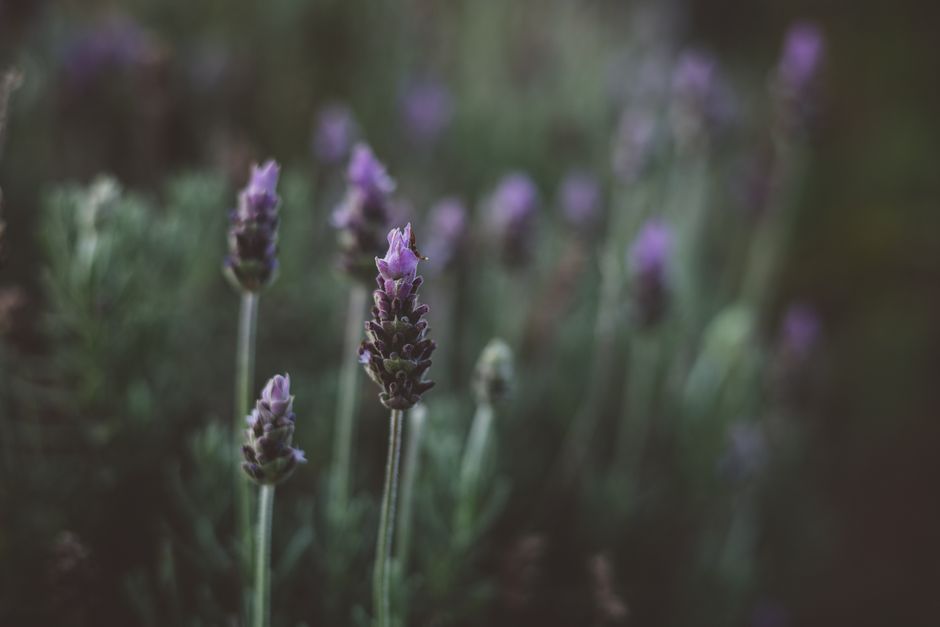
Purple stems on plants usually mean one of two things: a phosphorus deficiency or stress from cold temperatures. In many cases, it is a normal response to environmental conditions rather than a sign of a serious problem. However, purple stems can also indicate other nutrient issues, so it helps to look at the whole plant before taking action.
What Do Purple Stems Mean Deficiency Or Stress?
Purple stems are a visible sign that a plant is producing anthocyanins, which are pigments that give stems and leaves a red, purple, or blue color. Plants often produce these pigments when they cannot take up phosphorus properly, or when they are under stress from cold weather. The color change itself is not harmful, but it can be a useful signal that growing conditions need attention.
In most cases, the purple color appears because the plant is struggling to move phosphorus through its system. This can happen even when phosphorus is present in the soil. Cold soil, poor root health, or extreme pH levels can all block phosphorus uptake. The plant responds by producing anthocyanins, which turn the stems purple.
Is It Phosphorus Deficiency or Cold Stress?
Cold stress is the most common cause of purple stems in many garden plants. When soil temperatures drop, root activity slows down. Roots cannot absorb nutrients as efficiently, especially phosphorus. This is not a true deficiency because the nutrient is in the soil. It is a temporary uptake problem that often resolves as the soil warms up.
True phosphorus deficiency happens when the soil actually lacks enough phosphorus for the plant’s needs. This is more common in poor, sandy, or heavily leached soils. It can also occur in containers where the growing medium has been depleted. A phosphorus deficiency usually affects the whole plant, not just the stems. Leaves may turn dark green, blue-green, or purple, and growth may slow noticeably.
To tell the difference, check the temperature and the age of the plant. Seedlings and young plants often show purple stems when nights are cool. As temperatures rise, the color usually fades. If the weather has been warm and the plant still shows purple stems, a true nutrient problem is more likely.
Other Nutrient Deficiencies That Cause Purple Stems
Phosphorus is not the only nutrient involved. Some research indicates that magnesium and potassium deficiencies can also produce purple or reddish coloring in plant stems. These deficiencies are less common than phosphorus issues, but they do occur, especially in plants grown in poor soil or soilless mixes.
A magnesium deficiency often shows up as yellowing between leaf veins first. Purple stems may follow if the problem continues. Potassium deficiency typically causes older leaves to yellow and brown at the edges, with purple spots or streaks appearing on stems in some plant species. If you suspect these issues, a soil test is the most reliable way to confirm which nutrient is lacking.





Which Plants Are Most Likely to Show Purple Stems?
Some plants naturally have purple stems as part of their genetics. Varieties of basil, peppers, tomatoes, and certain ornamental plants are bred for purple coloring. If the plant has always had purple stems since it sprouted, it is likely just its natural color.
Plants that commonly show stress-related purple stems include tomatoes, peppers, corn, and many leafy greens. Seedlings are especially prone to this because their root systems are small and easily affected by temperature changes. In most cases, the purple color in young seedlings is temporary and not a cause for alarm.
Should You Add Phosphorus Fertilizer?
Do not rush to add phosphorus fertilizer when you see purple stems. Adding fertilizer to soil that already has enough phosphorus can cause more problems, including nutrient imbalances and environmental harm from runoff. The first step is to figure out why the plant cannot absorb phosphorus.
If the soil is cold, wait for warmer weather. If the plant is in a container, move it to a warmer spot or protect it from cold drafts. Once the soil warms, the purple color often fades on its own. If the weather has been warm for weeks and the plant is still purple, then a soil test is worth doing. A soil test will tell you whether phosphorus is actually low before you spend money on fertilizer.
For plants in containers, check the pH of the growing medium. Phosphorus is most available to plants in soil with a pH between 6.0 and 7.0. If the pH is too high or too low, phosphorus stays locked in the soil even if it is present. Adjusting the pH is often more effective than adding more fertilizer.
How to Fix Purple Stems From Cold Stress
Cold stress requires a different approach than a nutrient deficiency. If temperatures are the cause, the fix is simple: warm the plant up. Move containers to a sunnier location, bring them indoors at night, or use row covers to trap heat. Wait until the soil temperature stays above 60°F before planting warm-season crops outdoors.
For garden plants already in the ground, mulch can help insulate the soil and keep root temperatures more stable. A layer of organic mulch, such as straw or shredded leaves, helps moderate soil temperature swings. This is especially helpful in early spring when nights are still cool.
Once the plant recovers, new growth should come in green. The existing purple stems may stay purple, but that is not a problem. The color is cosmetic and does not affect the plant’s health or productivity.
When Purple Stems Are a Serious Problem
Purple stems alone are rarely a serious problem. However, if the purple color is accompanied by other symptoms, it may point to something more concerning. Watch for stunted growth, distorted leaves, wilting, or roots that look brown and mushy. These signs suggest a root disease or severe nutrient imbalance that needs attention.
In some cases, purple stems can indicate herbicide damage. Certain herbicides cause abnormal growth and purple discoloration in sensitive plants. If you recently applied weed killer near your garden, or if compost or manure was contaminated with herbicide residues, that could be the cause. This situation is harder to fix, and affected plants may not fully recover.
Preventing Purple Stems in Future Plantings
Prevention starts with healthy soil. Test your soil before planting and amend it based on the results. Add compost to improve soil structure and nutrient availability. Compost also helps buffer pH and supports beneficial soil microbes that help roots absorb nutrients.
Plant at the right time for your climate. Wait until soil has warmed before planting cold-sensitive crops. Hardening off seedlings gradually before transplanting helps them adjust to outdoor conditions without shock. This reduces the chance of stress-related purple coloring.
Water consistently but do not overwater. Waterlogged soil reduces root function and makes it harder for plants to take up nutrients. Good drainage is essential for nutrient absorption. Raised beds or containers with drainage holes help prevent waterlogging in heavy soils.
Frequently Asked Questions
Can purple stems mean the plant is dying?
No, purple stems alone do not mean a plant is dying. They are a normal stress response that often resolves when conditions improve.
Will purple stems go back to green?
Existing purple stems may stay purple, but new growth should come in green once the stress is resolved. The color change is cosmetic and not harmful.
Should I fertilize a plant with purple stems?
Only fertilize if a soil test confirms a nutrient deficiency. Adding fertilizer without testing can cause nutrient imbalances and may not fix the problem.
Do purple stems affect fruit or vegetable production?
No, purple stems do not directly affect fruit or vegetable production. The underlying stress may slow growth, but the color itself is harmless.
