
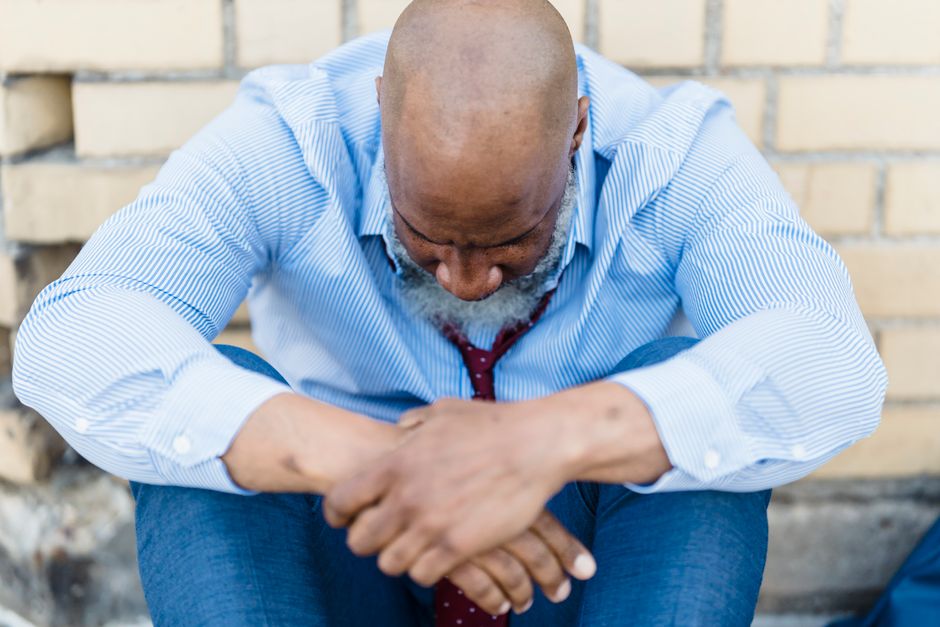
Knee pain can feel like a purely physical problem, but your emotional state plays a real role in how you experience it. Stress does not damage the cartilage in your knee, but it can make existing pain worse and, in some cases, make your body more sensitive to pain signals overall. The connection between your brain and your knee is direct, and understanding it can change how you manage your symptoms.
Can Stress Cause Knee Pain The Mind Body Connection?
Yes, stress can cause or worsen knee pain, but not in the way most people assume. Stress does not wear down the joint. Instead, it changes how your brain processes pain signals, increases muscle tension, and alters inflammation levels in your body.
When you are under chronic stress, your nervous system stays in a heightened state of alert. This can make pain signals from your knee feel stronger and more intense than they would otherwise. Studies have shown that people with high stress levels report more severe pain from the same degree of joint damage compared to people with lower stress levels.
This does not mean the pain is imaginary. The pain is real. But the volume of the pain signal is turned up by your brain’s stress response.
How Stress Physically Affects the Knee Joint
Stress triggers a cascade of physical changes that can directly affect your knee. The most immediate effect is muscle tension. When you are stressed, your body tenses muscles throughout your body, including the quadriceps and hamstrings that support the knee. Persistent tension in these muscles can pull on the joint and increase discomfort.
Stress also affects inflammation. The stress hormone cortisol normally regulates inflammation, but chronic stress can disrupt this system. Some research suggests that prolonged stress may contribute to higher levels of inflammatory markers in the body, which can worsen conditions like osteoarthritis.
There is also a behavioral component. When people are stressed, they often sleep poorly, exercise less, and eat less nutritious food. Each of these factors independently affects joint health and pain perception. The stress itself may not directly damage the knee, but the behaviors that come with stress often do.
The Science of Pain Perception and Stress
Pain is not just a signal from the knee to the brain. It is a complex experience shaped by your brain’s interpretation of that signal. Stress changes that interpretation.
Your brain has a built-in pain modulation system. Under normal conditions, it can dampen pain signals. Under stress, this system becomes less effective. The same knee injury can feel much more painful on a stressful day than on a calm day because your brain is less able to filter the signal.
This phenomenon is called stress-induced hyperalgesia. It means your sensitivity to pain increases under stress. It is well-documented in pain research and applies to knee pain just as it applies to back pain or headaches.
Interestingly, the reverse is also true. Positive emotional states, relaxation, and good sleep can improve your brain’s ability to modulate pain. This is why stress management techniques can be a legitimate part of knee pain treatment, not just a psychological add-on.





When Knee Pain Is Primarily Stress-Related
In some cases, knee pain has no clear physical cause. You may have no injury, no arthritis, and no structural abnormality, yet your knee hurts. This is sometimes called central sensitization, where the nervous system becomes overly sensitive to input from the joint.
Central sensitization is not a diagnosis of exclusion or a way of saying the pain is not real. It is a recognized neurological condition where the pain processing system itself is malfunctioning. Stress is one of the main drivers of central sensitization.
People with this condition often describe the pain as burning, aching, or throbbing, and it may move around the knee or even affect both knees. The pain may not respond well to typical pain relievers because the problem is not in the tissue but in the nervous system’s processing of signals from the tissue.
If your knee pain persists despite normal imaging and physical examination, it is worth discussing stress and nervous system sensitization with your doctor. This is not a dismissal of your symptoms. It is a different treatment target.
Stress Management as Part of Knee Pain Treatment
Treating stress-related knee pain does not mean abandoning physical treatments. It means adding stress management to your approach rather than choosing one over the other.
Physical therapy remains important for strengthening the muscles around the knee. Weight management reduces mechanical load on the joint. Anti-inflammatory medications can help when inflammation is present. These treatments address the physical components of knee pain.
Stress management addresses the pain processing component. Several approaches have evidence behind them:
- Cognitive behavioral therapy (CBT) helps change how you interpret and respond to pain signals.
- Mindfulness-based stress reduction teaches you to observe pain without amplifying it through worry.
- Regular aerobic exercise reduces stress hormones and improves pain modulation.
- Sleep improvement directly enhances your brain’s ability to manage pain.
- Relaxation techniques such as deep breathing or progressive muscle relaxation can lower acute stress levels.
Some clinicians recommend combining physical therapy with psychological approaches for chronic pain. This is called a biopsychosocial approach, and it is considered the standard of care for chronic pain conditions in many clinical guidelines.
Warning Signs That Your Knee Pain Needs Medical Attention
Stress-related knee pain is one possible explanation, but it is not the only one. You should not assume all knee pain is stress-related without proper evaluation.
See a doctor if your knee pain follows an injury, if the knee is swollen, warm, or red, if you cannot bear weight on the leg, or if the pain persists for more than a few weeks without improvement. These symptoms can indicate structural damage, infection, or other conditions that require specific treatment.
It is also possible to have both structural knee problems and stress-related amplification of the pain. These are not mutually exclusive. Many people with osteoarthritis find their pain flares during stressful periods even though their joint damage has not worsened.
A doctor can help you determine what is causing your pain and what treatments are appropriate. Do not let the mind-body connection make you dismiss physical causes. The correct answer is often both.
Practical Steps to Reduce Stress-Related Knee Pain
You can start addressing the stress component of knee pain today. These steps are not replacements for medical care, but they are evidence-based approaches that can help.
Movement is one of the most effective stress reducers. Gentle activities like walking, swimming, or cycling can lower stress hormones and improve knee function. If your knee hurts with activity, work with a physical therapist to find movements that are tolerable.
Breathing exercises can reduce acute stress within minutes. Slow, deep breathing activates the parasympathetic nervous system, which counteracts the stress response. This can temporarily reduce pain perception.
Sleep deserves special attention. Poor sleep and pain have a bidirectional relationship: pain disrupts sleep, and poor sleep increases pain sensitivity. Prioritizing sleep hygiene is one of the most impactful things you can do for both stress and knee pain.
Consider tracking your pain alongside your stress levels. Many people notice a clear pattern where pain flares coincide with stressful events or periods of poor sleep. This awareness alone can be helpful because it gives you a target for intervention.
Frequently Asked Questions
Can emotional stress cause knee pain without any injury?
Yes, stress can cause knee pain without structural injury by increasing nervous system sensitivity and muscle tension. This is called central sensitization, and the pain is real even though imaging may appear normal.
How long does stress-related knee pain last?
Stress-related knee pain can last as long as the underlying stress and nervous system sensitization persist. It often improves when stress levels decrease, sleep improves, and pain management approaches address the nervous system rather than only the joint.
Can anxiety make knee pain worse?
Anxiety can amplify knee pain by keeping the nervous system in a heightened state of alert. People with anxiety often report higher pain intensity from the same physical condition compared to people without anxiety.
Should I treat stress-related knee pain differently from injury-related knee pain?
Yes, the treatment approach differs. Injury-related pain often responds to rest, physical therapy, and anti-inflammatory measures, while stress-related pain benefits from stress management, sleep improvement, and nervous system-focused approaches like cognitive behavioral therapy.
