
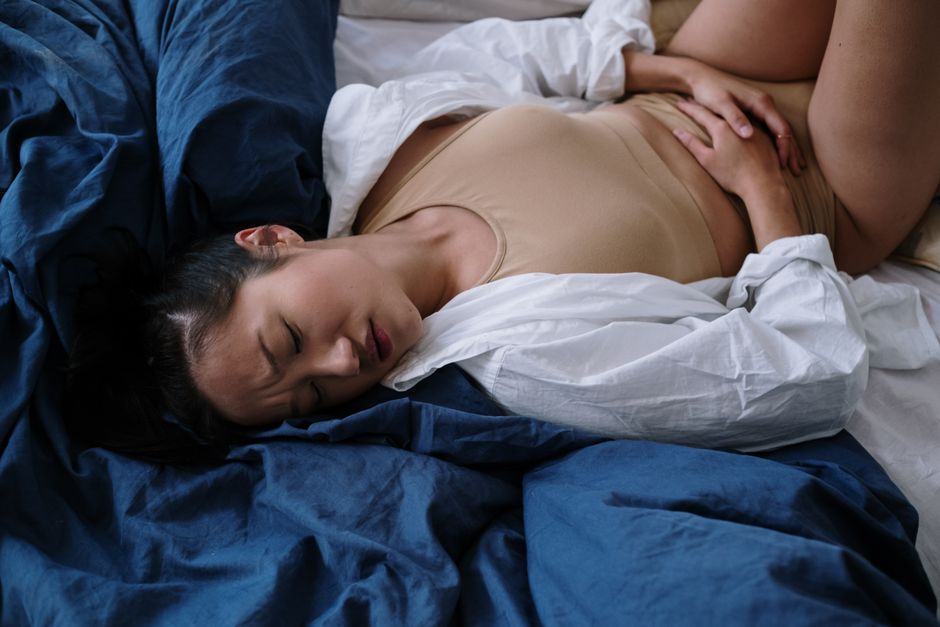
Your menstrual cycle is a sensitive system. It responds to many things, including stress, hormones, and overall health. Changes in your cycle can be normal, but they can also signal an underlying condition like Polycystic Ovary Syndrome (PCOS). Understanding what can affect your period is the first step in knowing when to see a doctor.
What Can Affect Your Period From Stress To Pcos?
Many factors can disrupt your menstrual cycle. The most common include stress, significant weight changes, intense exercise, thyroid disorders, and PCOS. Each of these affects the delicate balance of hormones that control ovulation and your period. When this balance is disturbed, your cycle can become irregular, lighter, heavier, or stop altogether.
How Stress Physically Changes Your Cycle
Stress is a direct and powerful influence on your period. When you are stressed, your body produces cortisol, a stress hormone. High cortisol levels can signal your brain to slow down or stop the production of reproductive hormones like estrogen and progesterone.
This disruption happens in the hypothalamus, the part of the brain that regulates your cycle. The result is often a delayed ovulation. A late ovulation means a late period. In some cases, stress can cause you to skip a period entirely for a month or more. Once your stress levels drop, your cycle typically returns to normal within a few cycles.
Weight Changes and Body Fat Percentage
Your body weight directly impacts your period. Fat cells produce estrogen. Too much body fat can lead to excess estrogen, which may cause heavier or more frequent periods. Too little body fat can have the opposite effect.
When your body fat percentage drops too low, your body stops producing enough estrogen to support ovulation. This is common in athletes or people with restrictive eating patterns. When you lose a significant amount of weight quickly, your body may interpret it as a threat and shut down reproductive functions. Gaining weight rapidly can also disrupt your cycle by altering hormone levels.





Polycystic Ovary Syndrome (PCOS) and Irregular Periods
PCOS is one of the most common causes of irregular periods in women of reproductive age. It is a hormonal disorder that affects how the ovaries work. In PCOS, the ovaries often produce higher-than-normal levels of androgens, which are male hormones.
This hormone imbalance prevents eggs from maturing and being released regularly. Instead of ovulating each month, you may ovulate infrequently or not at all. This leads to missed periods, irregular periods, or very light periods. Other common signs of PCOS include acne, thinning hair on the scalp, and excess hair growth on the face or body.
PCOS is a chronic condition, but it is manageable. Many people with PCOS find that lifestyle changes, such as maintaining a healthy weight and regular exercise, can help regulate their cycles. Some medications can also trigger ovulation.
Thyroid Disorders: The Hidden Disruptor
Your thyroid gland controls your metabolism and affects nearly every system in your body, including your reproductive system. Both an underactive thyroid (hypothyroidism) and an overactive thyroid (hyperthyroidism) can cause menstrual irregularities.
Hypothyroidism is more common and often causes heavier, more frequent, or more painful periods. This happens because low thyroid hormone levels can increase prolactin, a hormone that suppresses ovulation. Hyperthyroidism, on the other hand, often causes lighter and less frequent periods. If you have other symptoms like fatigue, weight changes, or temperature sensitivity, a thyroid condition may be the cause of your period problems.
Other Medical Conditions That Affect Your Period
Stress, weight, PCOS, and thyroid issues are the most common causes, but they are not the only ones. Several other conditions can change your menstrual cycle.
Uterine Fibroids are non-cancerous growths in the uterus. They can cause heavy bleeding, longer periods, and pain. Endometriosis occurs when tissue similar to the uterine lining grows outside the uterus. It often causes severe pain and heavy periods. Premature Ovarian Insufficiency happens when the ovaries stop working normally before age 40, leading to irregular or absent periods.
Certain medications can also affect your cycle. Some blood pressure drugs, antidepressants, and epilepsy medications are known to cause changes. Hormonal birth control methods, including pills, patches, and IUDs, intentionally change your cycle. It is common to have lighter periods or no period at all while using these methods.
When to See a Doctor About Your Period
Not every irregular period is a medical emergency. Tracking your cycle can help you understand what is normal for you. However, certain signs warrant a medical evaluation.
- You have not had a period for 90 days or more and you are not pregnant.
- Your periods suddenly become very irregular after being regular.
- Your periods last longer than 7 days.
- You soak through one or more pads or tampons every hour for several hours.
- You have severe pain that interferes with daily life.
- You bleed between periods.
These symptoms can indicate a condition that needs treatment. A doctor can run blood tests and imaging to find the cause. Treatment depends on the underlying issue and your personal health goals.
Lifestyle Factors That Influence Your Cycle
Beyond medical conditions, everyday habits can affect your period. Intense exercise is a common cause of missed periods. When you train heavily without enough rest and nutrition, your body may stop ovulating. Poor sleep can also raise cortisol levels and disrupt hormone production.
Diet plays a role as well. Extreme calorie restriction or eating disorders can stop your period. On the other hand, a diet lacking in essential nutrients like iron and vitamin D can affect your cycle’s regularity. Travel across time zones can temporarily disrupt your internal clock and shift your period by a few days. These changes are usually temporary and resolve on their own.
Tracking Your Cycle for Better Insight
Keeping a record of your periods can help you and your doctor identify patterns. Note the start and end dates of each period, the flow intensity, and any symptoms like pain or mood changes. Many phone apps make this easy, but a simple notebook works just as well.
Tracking helps you distinguish between a one-time change and a persistent problem. If your period is late by a few days occasionally, that is often normal. If your cycle length varies by more than 7-9 days from month to month, that is considered irregular and worth discussing with a clinician.
Frequently Asked Questions
Can stress delay your period by a week?
Yes, stress can delay your period by a week or more. High cortisol levels can postpone ovulation, which pushes your entire cycle later.
How quickly does PCOS affect your period?
PCOS often causes irregular periods from the time they first begin during puberty. Some people develop symptoms later, especially after weight gain.
Can losing weight make your period irregular?
Yes, rapid or significant weight loss can stop ovulation and cause missed periods. Your body needs adequate energy and body fat to maintain a regular cycle.
Is it normal to skip a period for two months?
Missing two periods in a row is not typical and should be evaluated by a doctor. It can be caused by stress, hormonal imbalances, PCOS, or other medical conditions.
