
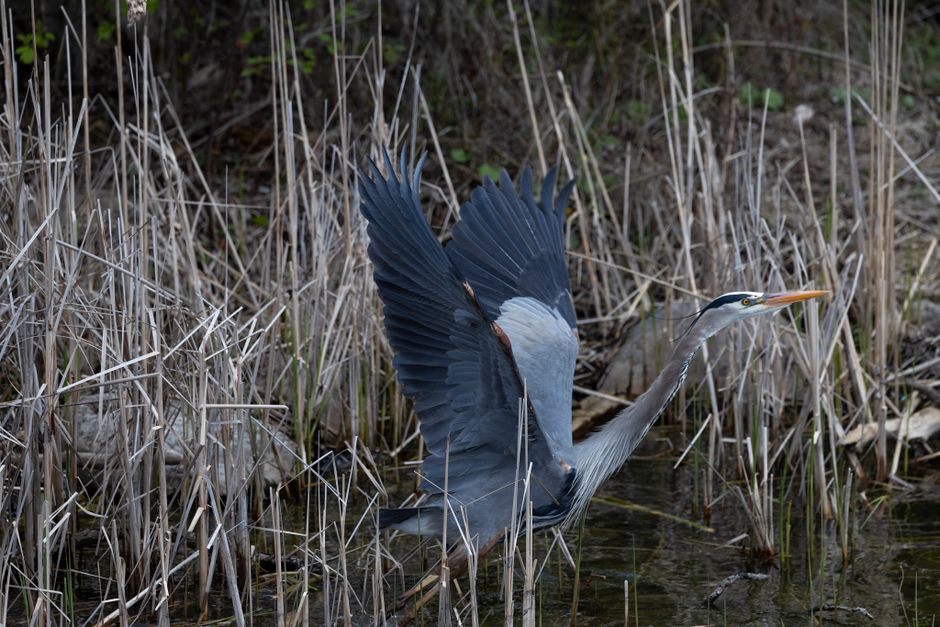
Great blue herons are patient hunters that eat almost anything they can catch and swallow. Their diet is mostly fish, but they also eat frogs, snakes, small mammals, and even other birds. These large wading birds hunt by standing still in shallow water and striking with their long beaks at lightning speed.
What Do Great Blue Herons Eat Their Diet And Prey
Fish make up the largest part of a great blue heron’s diet. Common prey includes carp, perch, sunfish, catfish, and minnows. They prefer fish that are 1 to 6 inches long, though they can swallow larger ones when needed.
Herons are not picky eaters. They eat whatever is available in their habitat. This adaptability is one reason they thrive across North America, from Alaska to the Caribbean.
How Do Great Blue Herons Hunt and Catch Prey?
Great blue herons hunt using a technique called stand-and-wait predation. They stand motionless in shallow water, often for long periods, waiting for prey to come within striking distance.
When prey approaches, the heron strikes with its beak in a fraction of a second. The beak acts like a spear, and the heron uses its sharp edges to grasp and hold slippery fish. Once caught, the heron flips the prey around and swallows it head-first so fins and spines do not get stuck in its throat.
Herons also hunt by walking slowly through shallow water. This method stirs up small fish and amphibians hiding in the mud. Some herons have learned to use their wings to create shade, which attracts fish seeking cover from the sun.
What Non-Fish Prey Do Great Blue Herons Eat?
While fish dominate the diet, great blue herons eat a wide range of other animals. Their prey list varies by season and location.
- Amphibians: Frogs and salamanders are common prey, especially in spring when they breed in shallow water.
- Reptiles: Snakes, lizards, and small turtles are eaten when encountered.
- Crustaceans: Crayfish and crabs are important food sources in coastal areas.
- Insects: Large insects like dragonflies, grasshoppers, and beetles are eaten, particularly by young herons.
- Small mammals: Voles, mice, shrews, and young muskrats are caught in fields and meadows near water.
- Other birds: Ducklings, young rails, and other small birds are occasionally taken.
This varied diet helps herons survive in different environments. When fish are scarce, they switch to other prey rather than going hungry.




Where Do Great Blue Herons Find Their Food?
Great blue herons feed in shallow freshwater and saltwater habitats. They prefer areas where water is less than a foot deep, because that is where they can stand and still reach prey with their long necks.
Typical feeding grounds include marshes, ponds, lake edges, riverbanks, and tidal flats. They also hunt in flooded fields, ditches, and even backyard ponds. Herons are adaptable and will feed wherever food is accessible.
Herons that live in northern regions face a challenge in winter. When lakes and rivers freeze, they must migrate south or find open water. Coastal herons may stay year-round where tides keep water moving and prevent freezing.
How Much Do Great Blue Herons Eat Each Day?
An adult great blue heron needs roughly 1 to 2 pounds of food per day. This amount varies based on the bird’s size, activity level, and the energy demands of breeding season.
Herons digest food quickly. A fish swallowed whole takes only a few hours to pass through the digestive system. This fast digestion means herons must hunt frequently throughout the day.
During nesting season, parent herons work especially hard. They may make multiple feeding trips each day to bring food back to their chicks. Both parents share feeding duties, and a growing nest of chicks can require a large amount of prey to sustain them.
How Do Great Blue Herons Feed Their Chicks?
Great blue heron chicks are fed by regurgitation. Parents return to the nest and vomit partially digested food into the nest floor or directly into the chicks’ mouths.
Chicks eat the same types of prey as adults, but in smaller pieces. Parents break up larger fish before offering them to young chicks. As chicks grow, they receive larger pieces and eventually whole fish.
Young herons learn to hunt on their own about 2 months after hatching. They leave the nest and begin practicing their striking technique in shallow water. Not all attempts succeed at first, but practice quickly improves their accuracy.
What Eats Great Blue Herons?
Adult great blue herons have few natural predators. Their size and sharp beak offer some protection. However, they are still vulnerable in certain situations.
Bald eagles and golden eagles will attack and kill adult herons. Raccoons and crows raid nests and eat eggs and chicks. Great horned owls hunt herons at night while they roost in trees.
Herons nest in colonies called rookeries, often high in trees or on remote islands. These locations provide some safety from ground predators. The colony structure also means many eyes watch for danger, and herons will alarm-call to warn others of approaching threats.
Do Great Blue Herons Eat Garden Pond Fish?
Yes. Great blue herons are a common problem for people with backyard ponds. A heron can clear out a koi pond in a single visit.
Pond owners often notice missing fish or fish with puncture wounds. Herons also leave distinctive footprints in mud or soft ground near the water’s edge.
Several deterrents exist, but their effectiveness varies. Netting over the pond is the most reliable method. Motion-activated sprinklers can startle herons, but they may become accustomed to them over time. Decoys of heron predators, like alligators or owls, work only briefly because herons quickly learn they are not real threats.
Deep ponds with steep sides offer some protection because herons prefer shallow water where they can stand. Adding underwater hiding spots, like caves or dense plants, gives fish places to escape.
Frequently Asked Questions
Do great blue herons eat snakes?
Yes, great blue herons eat snakes when they encounter them. Water snakes and garter snakes are common prey in heron feeding areas.
How often do great blue herons need to eat?
Great blue herons typically eat several times per day. Their fast digestion means they need roughly 1 to 2 pounds of food daily to maintain their energy.
Will great blue herons eat bread or human food?
No. Great blue herons eat only live prey. They do not eat bread, seeds, or processed human food, and offering these items provides no nutritional benefit to them.
Are great blue herons dangerous to pets?
Small pets like kittens or tiny puppies are not typical heron prey, but they could be at risk in rare cases. Herons occasionally eat small mammals, so very small pets near heron feeding areas should be supervised.
